
Cheers to a whopping number of 20 holidays and 13 long weekends in the Philippines! Filipinos have all reasons to rejoice this 2015 as well! Feeling the vacation vibe? Plan your getaways now!

Best Time to Travel to Vietnam from the Philippines: A Complete Guide
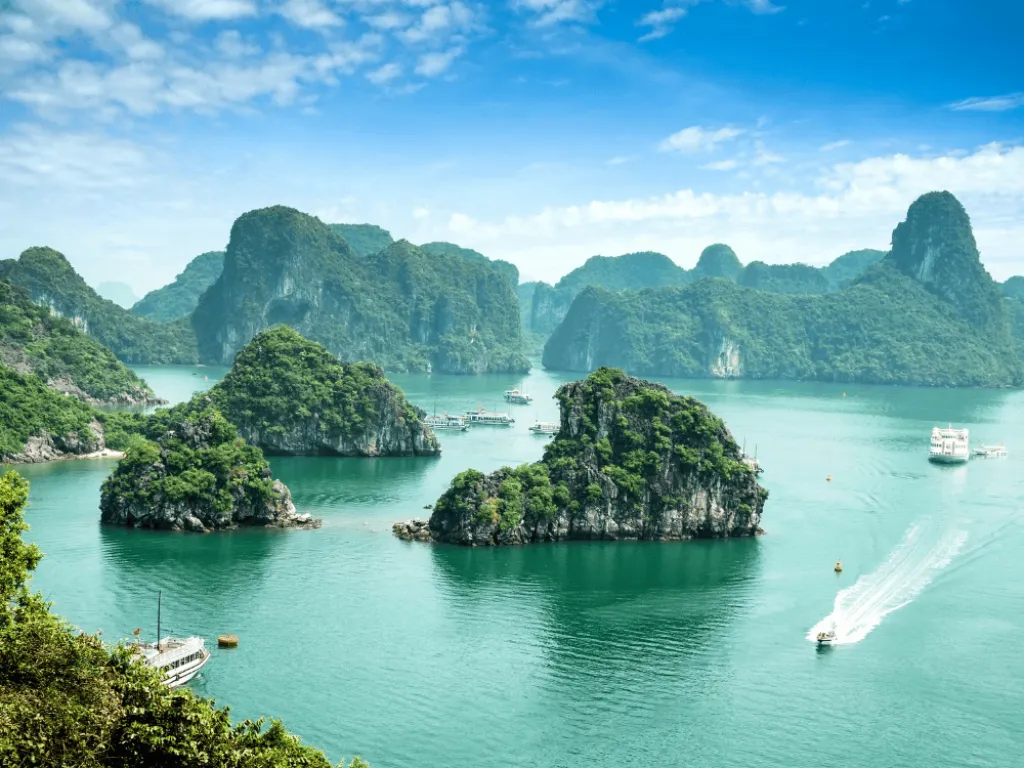
Vietnam blends history, nature, and modern charm. From Hanoi’s bustling streets to Phu Quoc’s serene beaches, every corner offers something unique. With Halong Bay’s limestone karsts and Sapa’s rice terraces, it’s a paradise for explorers. Whether for food, culture, or adventure, Vietnam is unforgettable.
 Ba Na Hills | Wichianduangsri via Getty Images Pro
However, with its diverse geography, the weather varies significantly between the north, central, and southern regions. Choosing the right time to visit can make all the difference, ensuring you get the best out of your trip.
Also read: Manila to Hanoi & Ho Chi Minh: New Direct Flights With Vietnam Airlines!
Hanoi & Northern Vietnam (Sapa, Halong Bay, Ninh Binh)
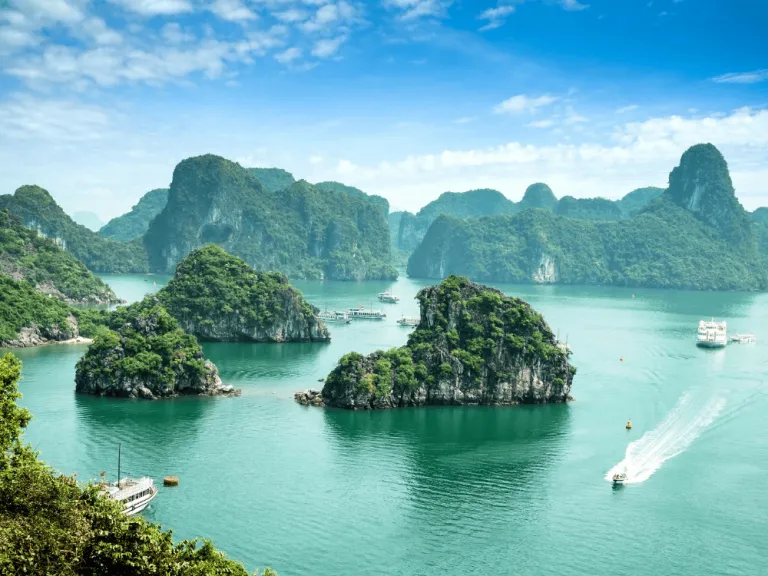 Halong Bay, Vietnam | Cristaltran via Getty Images Pro
Northern Vietnam has four distinct seasons, with chilly winters (December to February) and hot, humid summers (May to August). Spring and autumn are ideal, offering pleasant temperatures and clear skies—perfect for cruising in Halong Bay, trekking in Sapa, and exploring the historic streets of Hanoi. Autumn is especially magical as golden rice fields in Mu Cang Chai make for breathtaking views.
Best Months to Visit: March - April, September - November
Tips:
Bring a light jacket if visiting in winter, as temperatures can drop to 4°C.
Avoid summer if you dislike extreme heat and humidity.
Central Vietnam (Hue, Da Nang, Hoi An, Phong Nha)
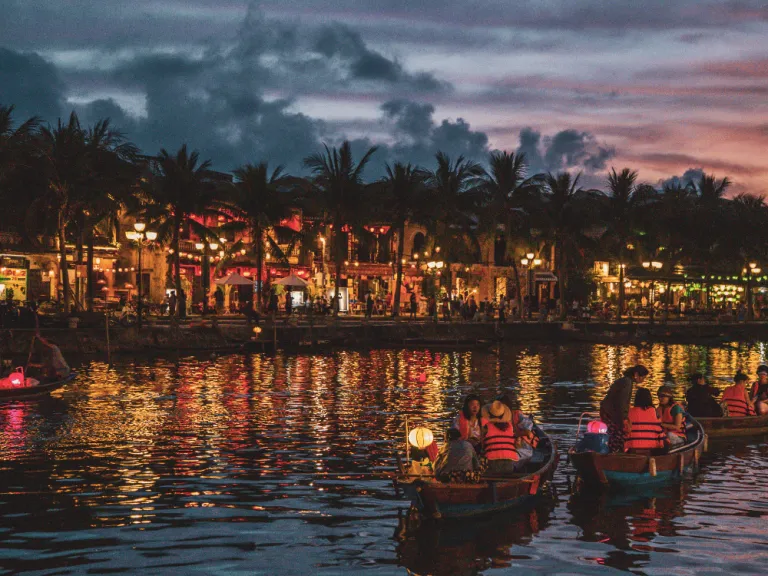 Hoi An Canal | Lemaret Pierrick via Canva Pro
This region experiences a dry season from February to August, making it the best time to explore Hoi An’s charming streets, visit the imperial city of Hue, or relax on Da Nang’s beaches. The rainy season from September to January can bring heavy downpours and even typhoons, which may disrupt travel plans.
Best Months to Visit: February - August
Tips:
Visit in April for the Hue Festival, a vibrant celebration of Vietnamese culture.
If heading to Phong Nha’s caves, check weather conditions in advance as flooding may limit access.
Southern Vietnam (Ho Chi Minh City, Mekong Delta, Phu Quoc)
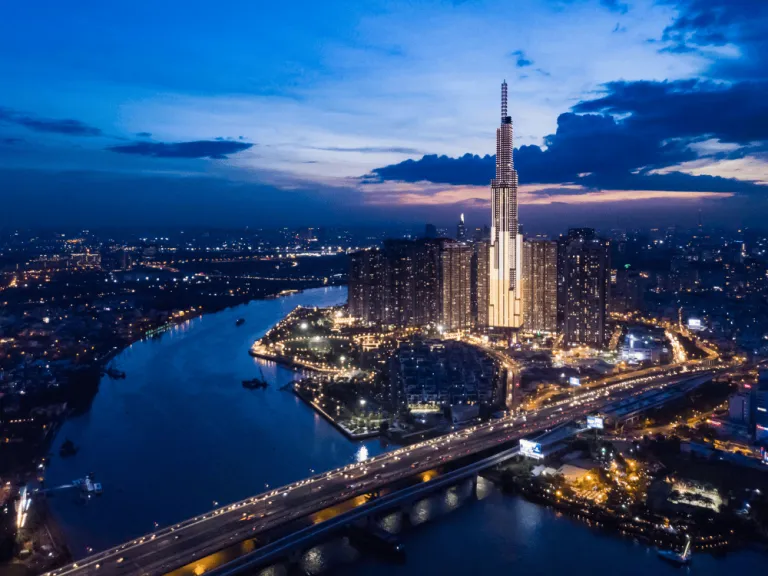 Ho Chi Minh City | Fototrav via Getty Images Signature
With warm temperatures all year round, the south is generally a good destination any time of the year. The dry season (December to April) is the best time to explore Ho Chi Minh City’s nightlife, take a boat ride through the Mekong Delta, or relax on Phu Quoc’s pristine beaches. The rainy season (May to November) brings short but heavy downpours, but it also turns the landscapes into lush green paradises, making it an excellent time for photography.
Best Months to Visit: December - April
Tips:
March to May can be extremely hot, with temperatures reaching 40°C. Stay hydrated and wear light clothing.
If visiting during Tet (Lunar New Year, usually in late January or early February), expect crowded attractions and limited transport options.
Vietnam Month-by-Month Breakdown
January & February: Best time for beach trips, Tet celebrations, and exploring cultural sites.
March & April: Ideal weather nationwide, perfect for outdoor adventures and food trips.
May & June: Start of the wet season, but still great for central beaches and turtle-watching in Con Dao.
July & August: Hot and humid, but good for diving and visiting UNESCO sites.
September & October: Best for scenic landscapes in the north and Mid-Autumn Festival celebrations.
November & December: Great weather in the south, ideal for island hopping and hiking.
Final travel tips for Filipinos visiting Vietnam
Visa: Good news for Pinoys—Filipino passport holders can visit Vietnam visa-free for up to 21 days. If you’re planning to stay longer, you’ll need to apply for an e-visa online, which allows a stay of up to 90 days. Processing usually takes 3-5 working days, so plan accordingly.
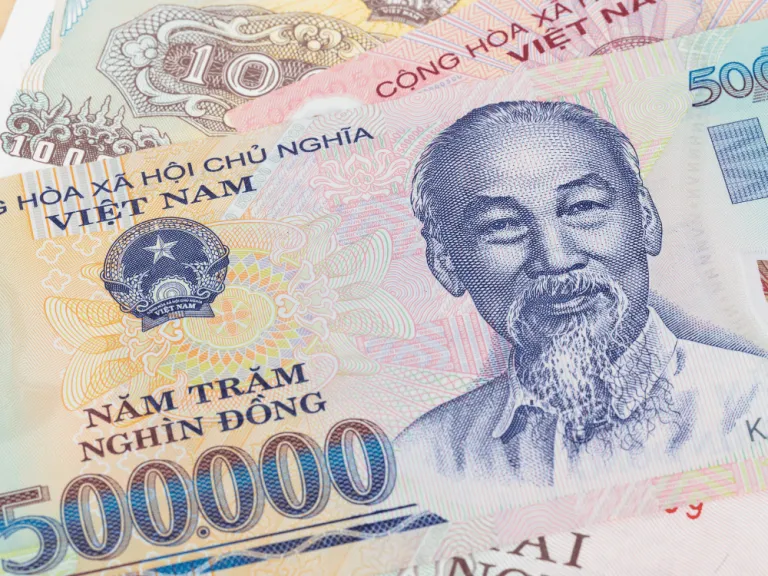 Image credit: Casper1774Studio via Getty Images
Currency: The Vietnamese Dong (VND) is the main currency, though some tourist spots accept US dollars. While cards are used in big cities, cash is essential for markets and small shops. ATMs are common, but to avoid multiple fees, withdraw larger amounts when needed.
Transportation: Vietnam’s motorbike culture is iconic, but traffic in cities like Hanoi and Ho Chi Minh City can be overwhelming. If you're not confident riding, Grab is the safest and most convenient option for short trips.
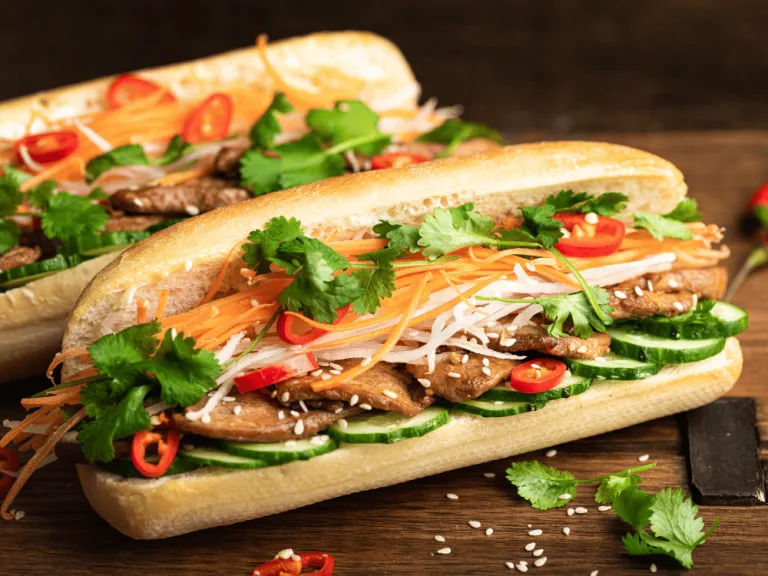 Banh mi | Olga Chzhu via Getty Images
Food: Vietnamese food is a must-try. Enjoy a steaming bowl of pho, a crispy banh mi, and Hanoi’s famous egg coffee. Street food is tasty and affordable—stick to busy stalls for hygiene. Bring anti-diarrhoea medicine in case your stomach isn’t used to local spices.
Connectivity: Staying connected is easy with a local SIM card from Viettel or Mobifone, which offers great coverage even in rural areas. SIM cards are available at airports and convenience stores, with data plans costing around PHP 200-500 per month. Pocket WiFi rentals are also an option if you prefer not to swap SIMs.
Also read: Vietnam Travel Requirements for Philippine Passport Holders
With the right timing, Vietnam offers an unforgettable experience filled with culture, adventure, and natural beauty. Plan, pack smart, and get ready for an incredible journey.
Published at
About Author
Jennylene Dela Cruz
Jennylene is a fiction lover who’s always lost in a good story. When she’s not flipping pages, you’ll find her scrolling for travel inspo or dreaming about serene beaches and epic camping trips. She’s all about adventure, calm vibes, and making the most of every moment.
Subscribe our Newsletter
Get our weekly tips and travel news!
Recommended Articles
13 Long Weekends in the Philippines in 2015 5 Easy Weekend Destinations Outside Manila, Philippines There are many other beautiful places in the Philippines outside its capital, but these 5 destinations will let you enjoy weekend trips with great ease.
7 Long Weekend Getaway Destinations in the Philippines With so many long weekends in the Philippines, weekend getaways are in order. Instead of travelling abroad, explore local destinations instead.
The Philippine Bucket List: 20 Challenges Every Filipino Traveller Must Complete Call yourself a true blue Filipino traveller if you’ve completed this Philippine Bucket List.
18 Comments Every Filipino Traveller Has Dealt With Abroad Every Filipino traveller has encountered these reactions and comments abroad. Stunning beaches? Hospitable people? Wait, you eat developing duck embryos?
Latest Articles
New Makati to Baguio Bus Route: Schedule and Fare One Ayala departures
Taiwan Is Paying Tourists Up to NT$8,000 to Visit — Here’s How You Can Get It Here’s how Filipino travellers can qualify, plus visa-free entry and KKday savings
Filipinos Can Now Fly To Europe Via Istanbul New Europe flight route
Philippines Tourism Slogan: What Is ‘Love the Philippines’? Senators discuss tourism branding
Thailand Jet Ski Rider Arrested After Viral Bangkok Flood Video Bangkok jet ski rider arrested