
Cheers to a whopping number of 20 holidays and 13 long weekends in the Philippines! Filipinos have all reasons to rejoice this 2015 as well! Feeling the vacation vibe? Plan your getaways now!

How Filipino Travellers Are Travelling Smarter, Not Harder in 2026

Travelling in 2026 feels very different from a few years ago. Flights are busier, prices fluctuate faster, and trends change almost overnight. But instead of travelling less, Filipino travellers are adapting. The result is a smarter way of exploring the world that focuses on value, flexibility, and meaningful experiences.
Rather than chasing every trend or overpacking itineraries, more Filipinos are learning how to travel efficiently without sacrificing the joy of the journey. Here is how that shift is happening in 2026.
Also read: How Gen Z Is Redefining Travel in the Social Media Era
Smarter planning powered by technology
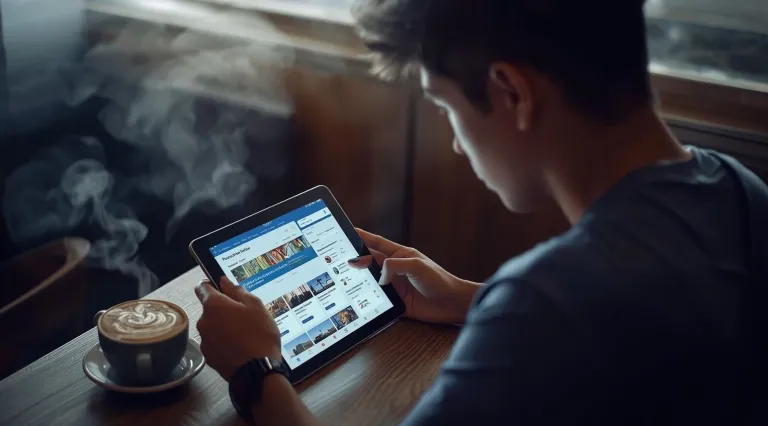
One of the biggest changes is how trips are planned. Filipino travellers are leaning heavily on technology to do the heavy lifting. Travel apps, AI-powered itinerary builders, and price comparison tools are now part of the pre-trip routine. Instead of opening dozens of tabs, travellers can see flight options, accommodation, transport, and sample itineraries in one place.
This means less guesswork and fewer last-minute surprises. It also allows travellers to customise trips based on budget, travel style, and time constraints. Whether it is a quick visa-free getaway or a long-haul dream trip, planning is now more intentional and less stressful.
Booking early and travelling strategically
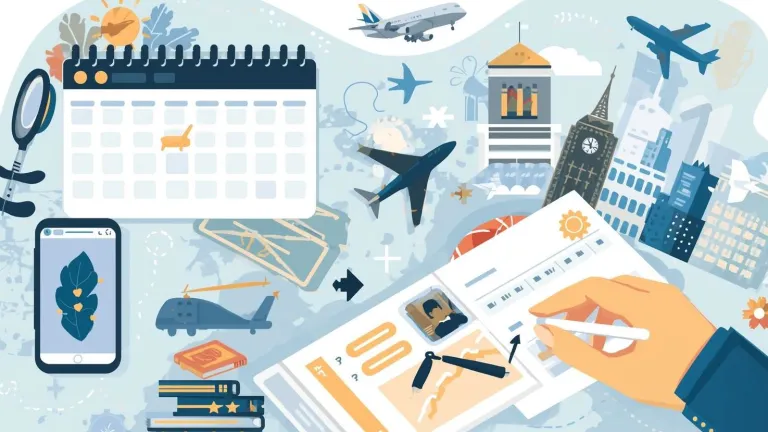
Another smart shift is timing. Filipino travellers are becoming more strategic about when they book and when they travel. Many now plan trips months ahead, especially for peak seasons, to lock in better rates on flights and accommodation.
At the same time, flexibility has become a superpower. Travelling during shoulder seasons, flying midweek, or choosing alternative airports are small adjustments that can lead to big savings. In 2026, travelling smart often means knowing when not to travel, too.
Budget-first decisions without sacrificing experience
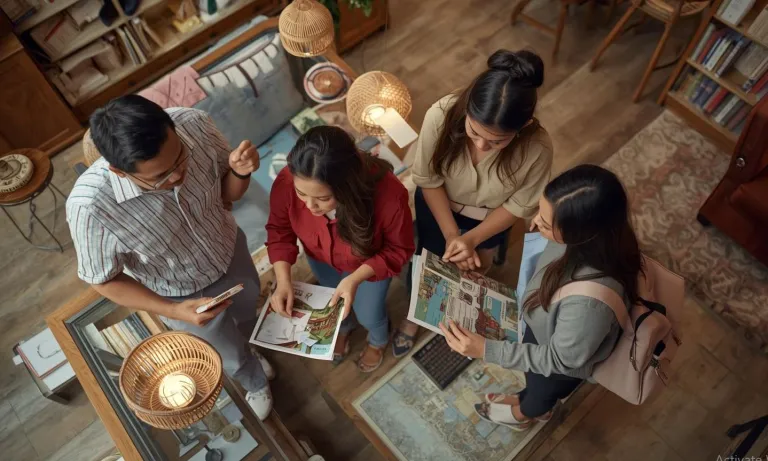
Budget awareness does not mean cutting corners. Instead, Filipino travellers are focusing on value. More people are choosing accommodation that offers space, kitchens, or better locations instead of just going for the cheapest option.
There is also a growing preference for experiences that feel meaningful rather than expensive. Local food tours, scenic walks, cultural spots, and free attractions are being prioritised over overly curated tourist traps. The mindset is simple: spend on what matters, save on what does not.
Cashless and contactless travel

Digital wallets and contactless payments have become travel essentials. In 2026, many Filipino travellers prefer destinations where cashless payments are widely accepted. This reduces the need to carry large amounts of cash and makes tracking expenses easier.
From transport cards to mobile payments at cafés and attractions, going cashless adds convenience and a sense of security. It also helps travellers stick to their budgets by clearly seeing where their money goes.
Choosing slow travel over rushed itineraries
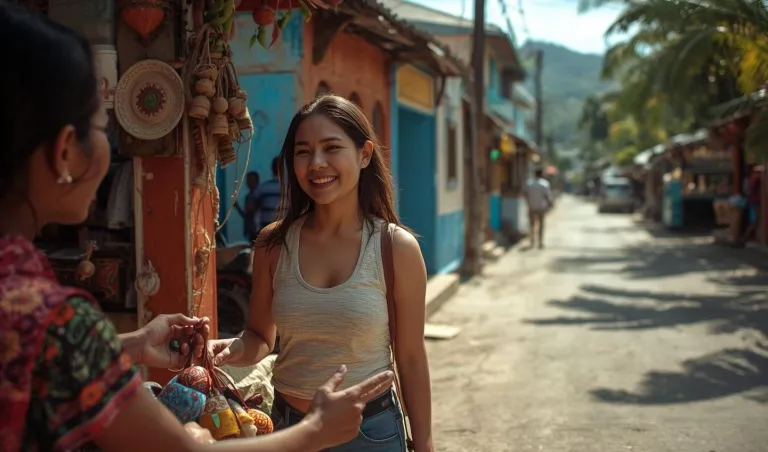
Instead of hopping from city to city, more Filipino travellers are embracing slow travel. Longer stays in fewer places allow deeper exploration and a more relaxed pace. This approach often leads to unexpected discoveries, stronger local connections, and even lower daily expenses.
Slow travel also fits better with remote work and flexible schedules, which continue to shape how people move in 2026. A trip is no longer just about ticking destinations off a list. It is about being present.
Using social media wisely
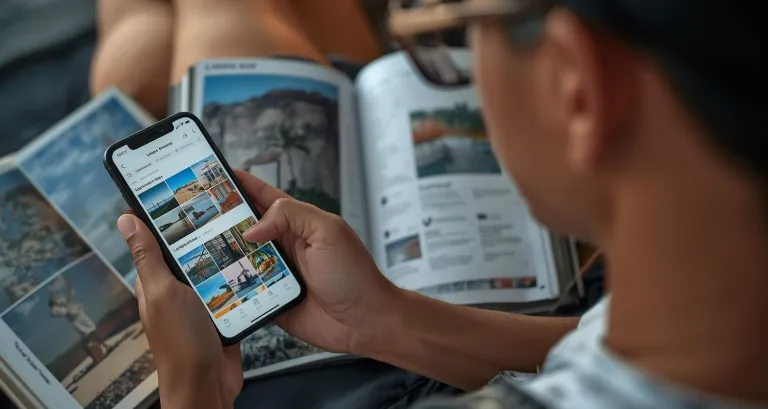
Social media still plays a big role in travel inspiration, but Filipino travellers are becoming more selective. Viral videos and aesthetic photos spark interest, but they are no longer the final decision-makers.
In 2026, travellers cross-check information, read guides, and look for honest reviews before committing. The goal is to avoid disappointment and ensure that a destination fits personal travel goals, not just online hype.
Also read: 10 Funny Signs You Are a Filipino Traveller
Saving smarter for future trips
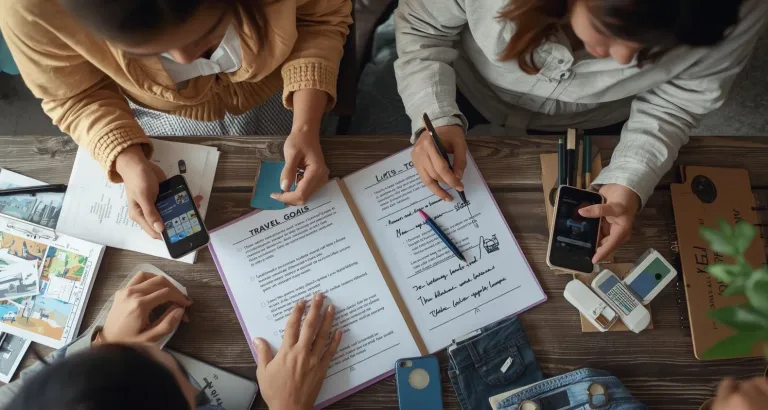
Finally, many Filipinos are travelling smarter by planning their finances better. Dedicated travel funds, digital savings tools, and clear travel goals are becoming more common. Instead of post-trip financial stress, travellers aim for peace of mind before and after the journey.
This shift allows more frequent travel without derailing everyday responsibilities. It also makes travel feel rewarding rather than guilt-inducing.
A smarter way forward

Travelling smarter in 2026 is not about doing less. It is about doing things better. Filipino travellers are proving that with the right tools, mindset, and planning, travel can still be exciting, meaningful, and achievable.
The future of travel is not harder. It is simply more intentional.
All images credited to Canva Pro
Published at
About Author
Jeliefer Sumaya
just tryna be an author
Subscribe our Newsletter
Get our weekly tips and travel news!
Recommended Articles
13 Long Weekends in the Philippines in 2015 5 Easy Weekend Destinations Outside Manila, Philippines There are many other beautiful places in the Philippines outside its capital, but these 5 destinations will let you enjoy weekend trips with great ease.
9 Long Weekends in the Philippines in 2016 It’s definitely more fun in the Philippines in 2016 as there will be 9 long weekends with 4 days leave! Plan your getaways with our cheatsheet & calendar.
7 Long Weekend Getaway Destinations in the Philippines With so many long weekends in the Philippines, weekend getaways are in order. Instead of travelling abroad, explore local destinations instead.
The Philippine Bucket List: 20 Challenges Every Filipino Traveller Must Complete Call yourself a true blue Filipino traveller if you’ve completed this Philippine Bucket List.
Latest Articles
BTS’ Agency BIGHIT MUSIC Opens Global Audition: Can Filipinos Apply? Filipinos can audition
Philippines Holidays 2027: Complete List And Long Weekends 2027 holiday dates
US To Test New System That Could Help Reduce Flight Delays New flight delay system
National Cinema Day 2026: ₱100 Movie Tickets On 12 September Watch movies for ₱100
Hot Wheels Designer Brendon Vetuskey Meets Filipino Collectors at Kingsford Hotel Manila Hot Wheels collector gathering