
Cheers to a whopping number of 20 holidays and 13 long weekends in the Philippines! Filipinos have all reasons to rejoice this 2015 as well! Feeling the vacation vibe? Plan your getaways now!

Understanding Passport Cancellation in the Philippines

When a passport is cancelled in the Philippines, it always sparks curiosity and debate. Most Filipinos only think about renewals, lost passports or travel requirements, so hearing about an actual cancellation feels unusual. Recent cases involving Atty Harry Roque and Cassandra Li Ong made many people wonder what the government can legally do and under what conditions a Filipino passport can be taken away. It sounds intimidating, but the rules are clearer than most people think.
In the Philippines, a passport is not simply a travel document. It is property of the government, and holding one is considered a privilege, not a right. That means the Department of Foreign Affairs (DFA) has the authority to cancel or refuse a passport if the holder falls under specific conditions set by law. These cases are not common, but they do happen when there is a clear legal basis.
One major ground for cancellation is an existing court order. If a person is facing charges or is considered a flight risk, the court may instruct the DFA to cancel or restrict their passport. This is done to ensure that someone involved in an ongoing legal case cannot leave the country without authorisation. It cannot be done casually, and it must be backed by documents and legal directives.
Also read: Punit Passport Scare: What You Need to Know About How a Tiny Tear Could Ruin Your Trip
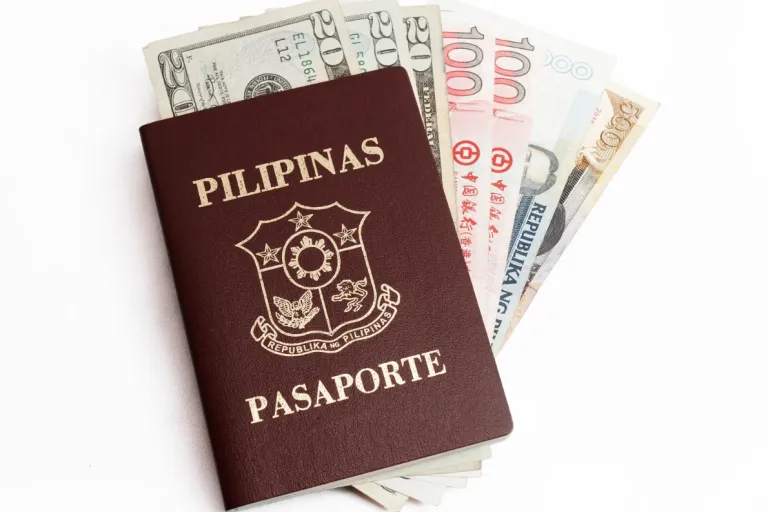
Another reason a passport may be cancelled is if it was obtained using false information. If someone submitted fraudulent documents, used a false identity, or provided incorrect details when applying, the DFA has the power to invalidate the passport. This protects public records and helps prevent identity misuse.
A passport can also be cancelled when the holder is serving a criminal sentence. During this period, certain travel restrictions apply. The government ensures that someone undergoing penalties within the justice system cannot escape their obligations by travelling abroad.
In high profile cases, people often assume political motivation. However, even in situations widely discussed online, the DFA follows a formal legal process. A notice is issued to the person, the case is reviewed and the individual is given the right to respond. There is also an appeals process, allowing the person to challenge the decision if they believe it is not justified.
For ordinary travellers, passport cancellation may feel like a distant issue, but understanding it is still important. It reminds us that a passport is both a privilege and a responsibility. As long as the information in it is accurate, the holder follows the law and no court restrictions exist, there is nothing to worry about.
These cases show that passport decisions involve legal procedure and documentation, not sudden or arbitrary actions. The more informed we are, the more confident we become about our rights and responsibilities as travellers.
Published at
About Author
Jeliefer Sumaya
just tryna be an author
Subscribe our Newsletter
Get our weekly tips and travel news!
Recommended Articles
13 Long Weekends in the Philippines in 2015 5 Easy Weekend Destinations Outside Manila, Philippines There are many other beautiful places in the Philippines outside its capital, but these 5 destinations will let you enjoy weekend trips with great ease.
9 Long Weekends in the Philippines in 2016 It’s definitely more fun in the Philippines in 2016 as there will be 9 long weekends with 4 days leave! Plan your getaways with our cheatsheet & calendar.
7 Long Weekend Getaway Destinations in the Philippines With so many long weekends in the Philippines, weekend getaways are in order. Instead of travelling abroad, explore local destinations instead.
The Philippine Bucket List: 20 Challenges Every Filipino Traveller Must Complete Call yourself a true blue Filipino traveller if you’ve completed this Philippine Bucket List.
Latest Articles
Singapore to Host BTS THE CITY ARIRANG in December 2026 BTS fan experiences across Singapore
New Makati to Baguio Bus Route: Schedule and Fare One Ayala departures
Taiwan Is Paying Tourists Up to NT$8,000 to Visit — Here’s How You Can Get It Here’s how Filipino travellers can qualify, plus visa-free entry and KKday savings
Filipinos Can Now Fly To Europe Via Istanbul New Europe flight route
Philippines Tourism Slogan: What Is ‘Love the Philippines’? Senators discuss tourism branding