
Cheers to a whopping number of 20 holidays and 13 long weekends in the Philippines! Filipinos have all reasons to rejoice this 2015 as well! Feeling the vacation vibe? Plan your getaways now!

Philippines Is First In Southeast Asia To Launch Satellite-To-Phone Technology
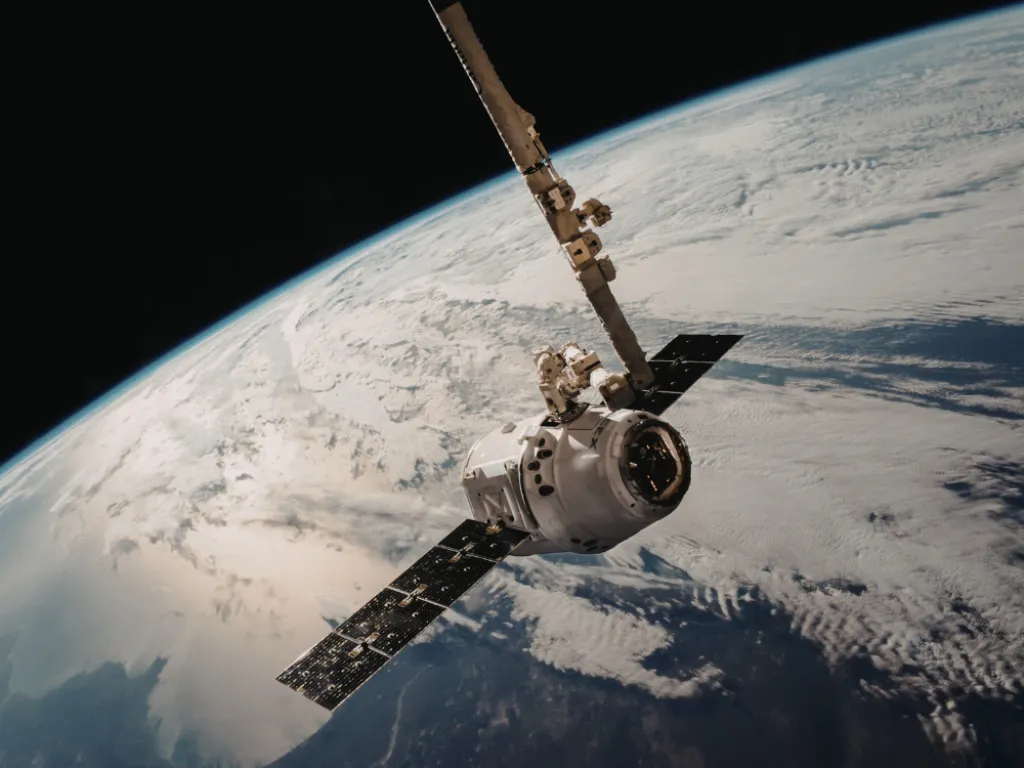
Whether you are catching a boat to a remote island or hiking through a province where the bars on your phone usually disappear, we have all dealt with the "No Service" struggle. Usually, it means you are cut off until you find a town with a tower. However, a new partnership between DICT, Globe, and Starlink is changing that. Philippines has officially become the first country in Southeast Asia to launch technology that connects your regular mobile phone directly to satellites.
How satellite-to-phone technology works for Globe and Starlink users
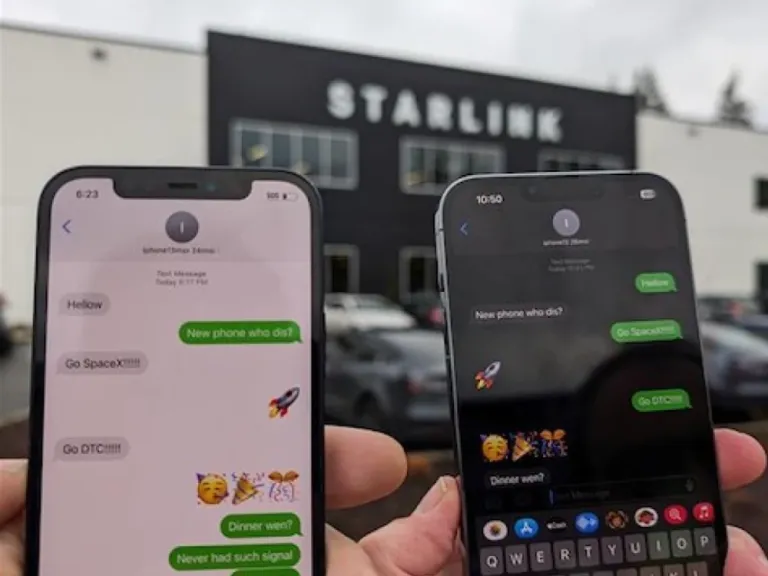
Image credit: Starlink Official Website
Department of Information and Communications Technology (DICT) has introduced a system that connects your existing LTE mobile phone to a network of 650 low-earth orbit satellites. Essentially, these satellites act as "cell towers in space."
The most practical part of this update is that you do not need to buy any new equipment. You can keep using your current device. This system is designed to provide:
Voice calls and video messaging in remote areas.
SMS and data services without needing a ground tower.
Instant connectivity in places where signal has never existed before.
Disaster preparedness and emergency communication in the Philippines
With the Philippines facing an average of twenty tropical cyclones every year, our communication lines are often the first thing to fail. When a typhoon hits, wind and floods frequently destroy physical cell towers, leaving communities isolated. Because this signal comes from space, it is not affected by damage to ground infrastructure.
Image credit: Starlink Official Website
DICT Secretary Henry Aguda noted that this technology is critical for disaster response. In a country where being able to call for help can be a matter of life and death, having a signal that stays active during a storm provides a massive safety net for Filipino families.
2026 rollout for remote islands and mountainous regions
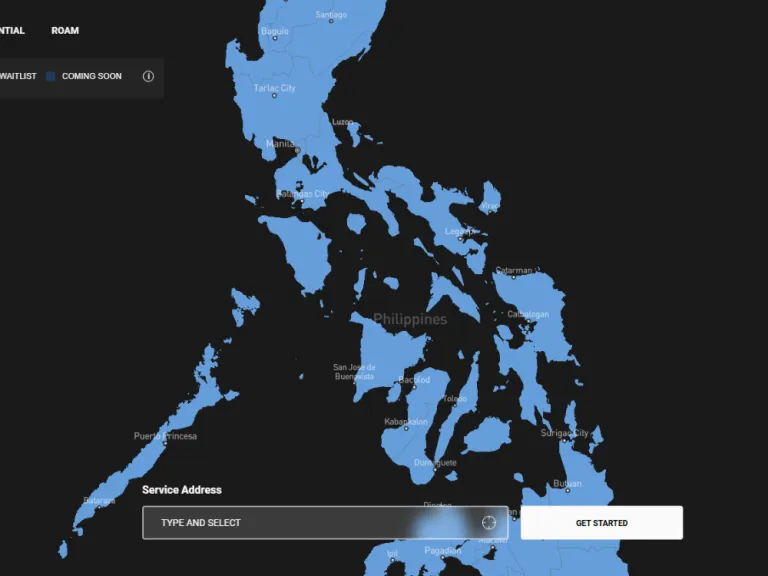
Image credit: Starlink Official Website
This project is supported by a USD 1.0 billion investment from Globe, aiming to reach its 63.1 million subscribers. While this technology is already being used in the UK, Japan, and Australia, the Philippines is now the primary testbed for this service in Southeast Asia.
The first "proof-of-concept" deployments and testing are scheduled for the first half of 2026. The rollout will specifically target mountainous areas and remote islands that have always been outside the reach of traditional cell towers. This move aims to ensure that no Filipino is left behind, whether they are in the heart of the city or on a distant shore.
Image credit: Canva Pro
Published at
About Author
Wynona Purl
Wynona Purl is a pop-culture junkie, writer, and editor from the Philippines. She runs an indie style & culture magazine called Modamorph that features artists from the underground scene. A certified chatterbox who loves cats, anything ube, and always has guts and curiosity. For her, life’s fortune always favours the bold. She hopes to see more of the world someday and turn those travels into stories.
Subscribe our Newsletter
Get our weekly tips and travel news!
Recommended Articles
13 Long Weekends in the Philippines in 2015 5 Easy Weekend Destinations Outside Manila, Philippines There are many other beautiful places in the Philippines outside its capital, but these 5 destinations will let you enjoy weekend trips with great ease.
9 Long Weekends in the Philippines in 2016 It’s definitely more fun in the Philippines in 2016 as there will be 9 long weekends with 4 days leave! Plan your getaways with our cheatsheet & calendar.
7 Long Weekend Getaway Destinations in the Philippines With so many long weekends in the Philippines, weekend getaways are in order. Instead of travelling abroad, explore local destinations instead.
The Philippine Bucket List: 20 Challenges Every Filipino Traveller Must Complete Call yourself a true blue Filipino traveller if you’ve completed this Philippine Bucket List.
Latest Articles
BTS’ Agency BIGHIT MUSIC Opens Global Audition: Can Filipinos Apply? Filipinos can audition
Philippines Holidays 2027: Complete List And Long Weekends 2027 holiday dates
US To Test New System That Could Help Reduce Flight Delays New flight delay system
National Cinema Day 2026: ₱100 Movie Tickets On 12 September Watch movies for ₱100
Hot Wheels Designer Brendon Vetuskey Meets Filipino Collectors at Kingsford Hotel Manila Hot Wheels collector gathering