
Watch out! These Filipino movies will inspire you to travel the #PhilippinesFirst.
I’m Minimising My Online Shopping This Year — Here’s Why
Going back to the early days of the pandemic, I remember how it all started with panic buying groceries. A few weeks later, we were scrambling for face masks and alcohol. Soon after, we began upgrading our chairs, desks, and keyboards to survive working from home. Then came the pillows and loungewear. We bought dried flowers to make our spaces feel alive, then real plants, then pots and planters and watering cans.
Looking back now, it feels almost unbelievable how quickly our wants multiplied. At some point, we convinced ourselves we needed a laptop stand, a toothpaste dispenser, an egg mould, an electric whisk, a phone case, seamless panties in every colour, an air fryer, acrylic organisers, a photo of a K pop star, more pillows and pillowcases, more loungewear, a new desk, a new chair, a paper shredder, sports bras, cycling shorts and leggings, double walled mugs, rugs, a colourful keyboard, colourful lights, earrings, lipsticks… The list really did not end.
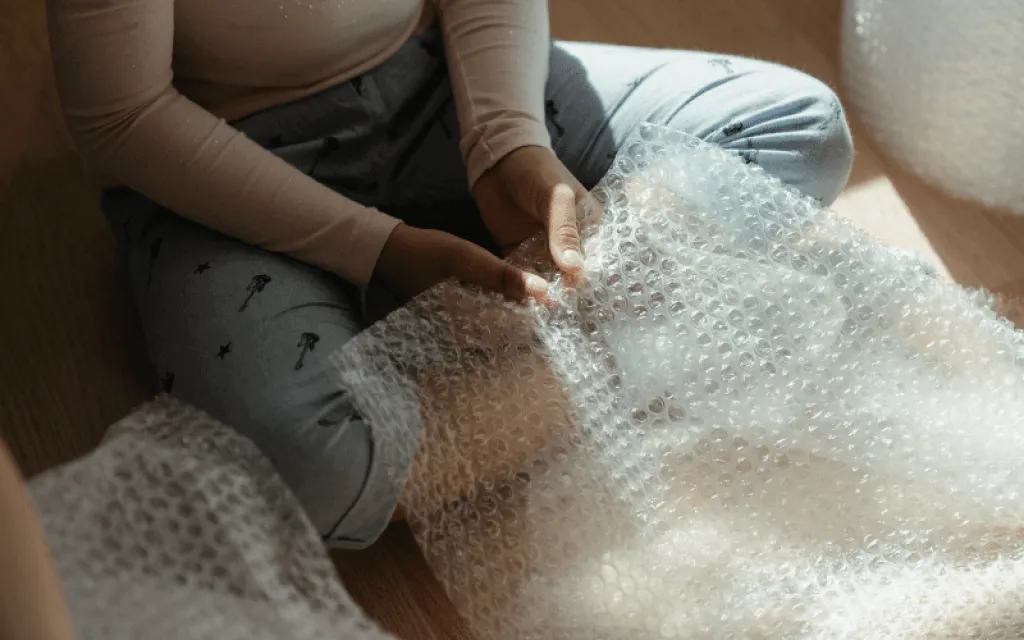
Even now, in 2025, many of us still have bubble wrap tucked away in storage. When I think about it, the pandemic did more than change how we worked or travelled. It quietly reshaped how we consumed, and some of those habits followed us long after lockdowns ended.
The rise of cases
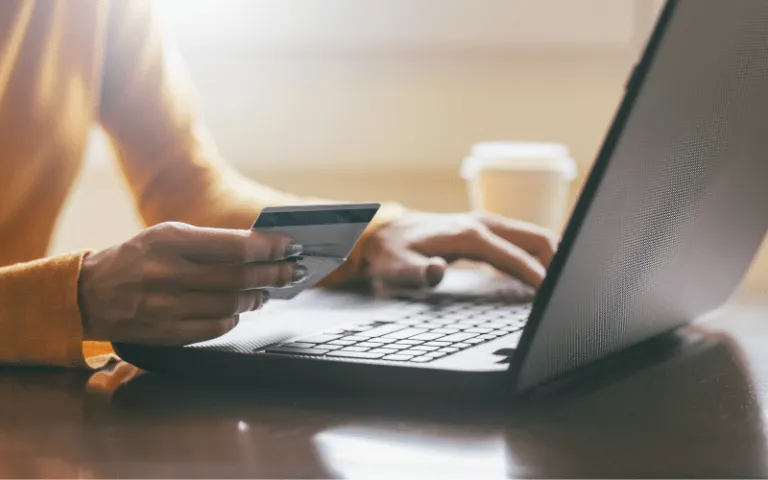
I remember how, when COVID 19 cases first surged, online shopping suddenly became a lifeline. In the Philippines, learning how to shop remotely was not just convenient, it was necessary. Groceries, medicine, office supplies, and small comforts all arrived at our doorsteps.
Fast forward to today, and those behaviours feel almost automatic. Platforms like Shopee and Lazada are now part of everyday life. Even as restrictions lifted and the world reopened, the systems built during the pandemic stayed. In 2025, many of us still work hybrid, still spend more time at home, and still rely on the same apps we downloaded out of necessity years ago.
Which makes me wonder, looking back, when did buying stop being about need and start becoming a reflex?
The pandemic of hyperconsumerism
I remember reading an article in the Journal of Business Research by Jagdish Sheth, where he explained how COVID 19 reshaped consumer behaviour through hoarding, improvisation, pent up demand, and the rapid embrace of digital technology. At the time, it felt like a neat explanation for what we were all experiencing.
First, we went into survival mode. Then we tried to recreate life indoors. Gyms became corners of our living rooms. Cafés became coffee machines on our counters. Offices became bedrooms. Later, when the initial shock faded, online shopping filled the gaps of what we felt we had lost.
Now, years later, it is clear that hyperconsumerism did not disappear with the virus. It evolved. Algorithms learned our habits. Sales became events. Wanting became constant.
The journey to imperfectly zero-waste
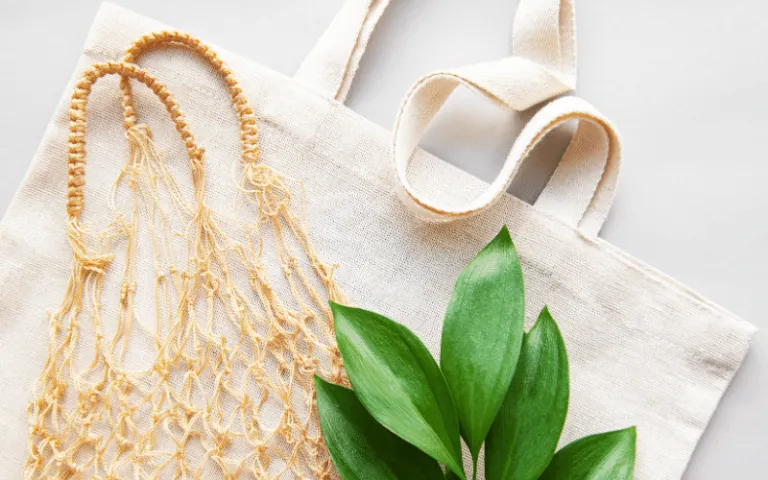
Before the pandemic, I remember feeling hopeful about sustainability. Minimalism was gaining traction. Reusable straws and tumblers were everywhere. Conversations about waste and conscious living were becoming more mainstream.
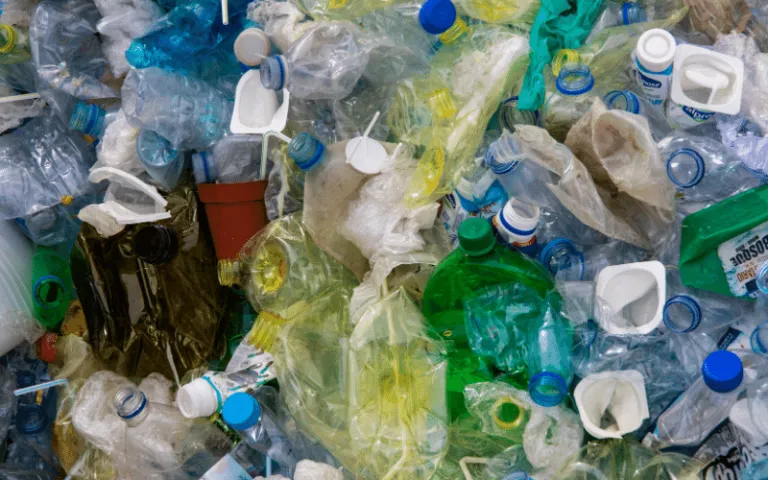
In 2025, that awareness is still there. We know where single use plastic ends up. We understand the environmental cost of unnecessary packaging. We talk openly about climate change and ethical consumption.
And yet, if I am being honest, many of us still click checkout more often than we would like to admit.
Also read: Sustainable Tourism in the Philippines: 5 Easy Ways Travellers Can Help!
I include myself in that statement. I have long understood the damage caused by hyperconsumerism, from unethical labour practices to environmental degradation. Still, I let convenience win more times than I care to count. Looking back, awareness alone was never the finish line.
Also read: The Fault in Our Wanderlust: What Travellers Should Know About Tourist Spot Rehabilitation
A lesson in forgiveness
When I think about those lockdown years now, I try to meet them with compassion. We were thrown into uncertainty and isolation, and we coped the best way we knew how. Shopping became comfort. It became control. It became something familiar when everything else felt unstable.
But in 2025, we have distance. We have perspective. And most of us have the space to choose more intentionally.
Forgiving ourselves does not mean continuing old habits. It means recognising them, learning from them, and deciding differently when we can. For me, that has meant stepping away from monthly sale cycles and questioning urgency driven discounts.
Consumer spending will continue to grow, and that matters for recovery and livelihoods. But so does the climate crisis. The window to prevent irreversible damage is still open, but not by much.
Looking back at 2020 reminds me of how easily habits form under pressure. Living in 2025 reminds me that we still have the power to unlearn them. Slowly, imperfectly, and consciously, we can do better, for ourselves, for our communities, and for the planet.
Published at
About Author
Danielle Uy
If Disney were creative enough to let Mulan and Melody procreate, Danielle would be that child. From an early age, she has dreamt of becoming a purposeful revolutionary... and an unruly mermaid. While Danielle hasn't held a sword in her lifetime, she feels powerful enough with her byline. Her creative energy is fueled by many things: the quiet right before the rest of the world wakes up, the orange sky as the sun rises during an uncrowded morning surf, the beautiful bitter taste of black coffee, and the threatening reminder of a pending deadline.
Subscribe our Newsletter
Get our weekly tips and travel news!
Recommended Articles
10 Filipino Movies That Will Inspire You to Travel the Philippines First I Decided to Become a Digital Nomad in the Philippines & Here’s What I Learned I brought my family along to a 22-day journey around Eastern Mindanao, working online along the way, and here’s what I learned.
LTFRB Suspends Uber: How Is It Affecting Our Travels? So what do the riding public and travellers have to say with Uber’s recent suspension?
Kickstart Your Travel Blogger Status With These 5 Blogging Platforms Are you an aspiring travel blogger? Let this guide help you choose the blogging platform for you!
8 Travel Movies to Watch If You’re Spending the Holidays at Home These ought to give you more travel inspiration.
Latest Articles
BTS’ Agency BIGHIT MUSIC Opens Global Audition: Can Filipinos Apply? Filipinos can audition
Philippines Holidays 2027: Complete List And Long Weekends 2027 holiday dates
US To Test New System That Could Help Reduce Flight Delays New flight delay system
National Cinema Day 2026: ₱100 Movie Tickets On 12 September Watch movies for ₱100
Hot Wheels Designer Brendon Vetuskey Meets Filipino Collectors at Kingsford Hotel Manila Hot Wheels collector gathering