
You use your lips to give directions, and dip bread in coffee.

10 Best Christmas Festivals in the Philippines Worth Catching
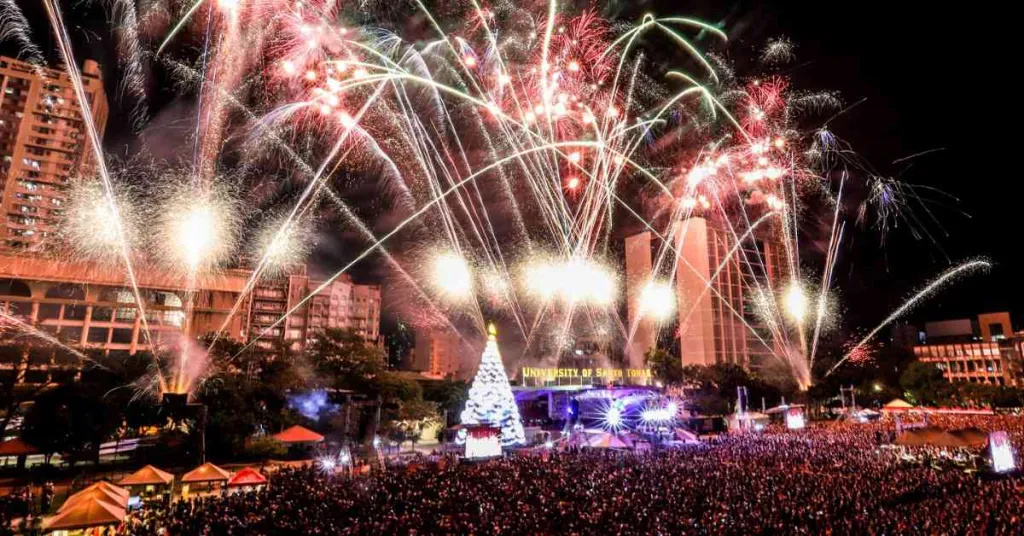
There is just something about the air in the Philippines once the "Ber" months hit that makes everything feel a little more magical. Beyond the frantic mall sales and the iconic holiday carols, our local festivals are the true soul of the yuletide season. Whether you are looking for a massive street party, a nostalgic town tradition, or a display of world-class craftsmanship, the Philippine festival circuit has something for everyone. We have rounded up the absolute best annual Christmas festivals in the country and exactly where you can find them to cap off your season with a bang!
Also read: Christmas in Manila: 8 Places and Activities to Experience the Holiday Spirit
Most anticipated Christmas festivals in the Philippines
1. UP Lantern Parade
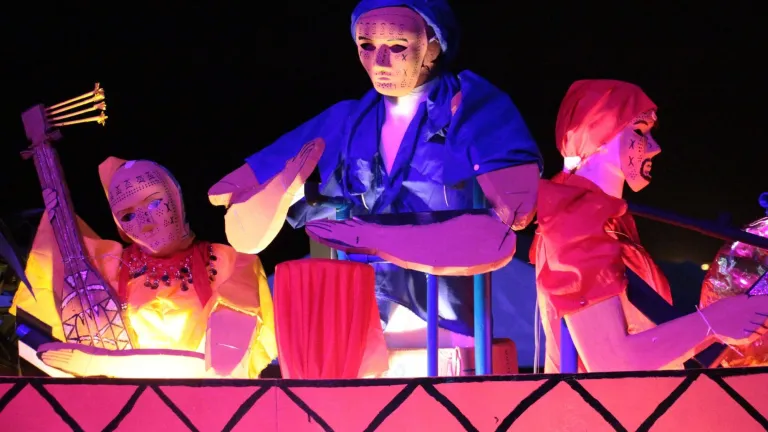
Image credit: University of the Philippines Official Facebook Page
The Lantern Parade of the University of the Philippines kicks off the holiday season with its colourful, handcrafted floats and lanterns, along with live music and performances. This annual university tradition dates back to the 1920s, taking inspiration from the Spanish custom Misa de Gallo. Since then, it has grown into one of the most popular and much-awaited Christmas festivals in the Philippines.
2. UST Paskuhan
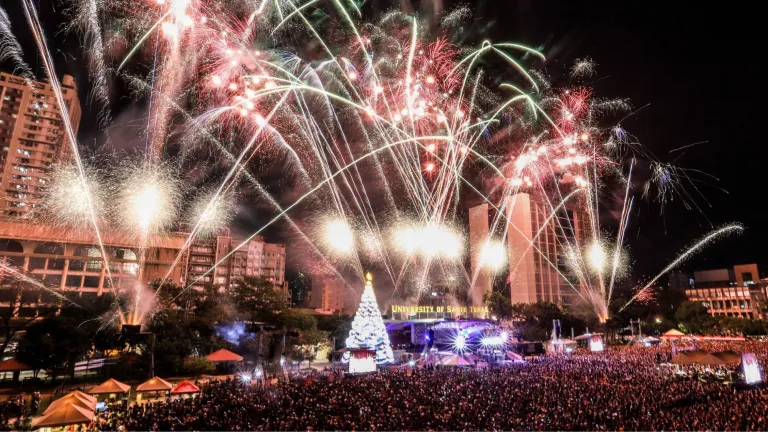
Image credit: The VarsitarianOfficial Facebook Page
University of Santo Tomas never misses when it comes to the Paskuhan. This celebration begins with the iconic lighting ceremony that turns the entire campus into a literal wonderland. Under the theme "Ever Thankful, Ever Hopeful," the festivities continue to feature the beloved Agape banquet and a grand fireworks display that is considered a rite of passage for every Thomasian and visitor.
3. San Fernando Giant Lantern Festival
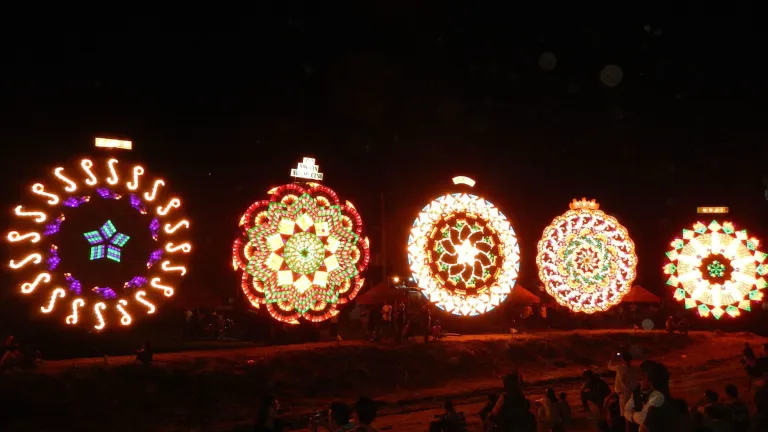
Image credit: Ramon FVelasquez
San Fernando City has earned its title as the Christmas Capital of the Philippines for a reason. The Ligligan Parul is a masterclass in Pinoy craftsmanship, featuring lanterns that are several stories high and synchronized to music. Recent competitions have emphasized sustainability by incorporating more LED materials, proving that no one does lights quite like the Fernandinos.
4. Niños Inocentes
Not many people are aware of the Niños Inocentes or Feast of the Holy Innocents, more so what it commemorates. This feast is not exactly a grand celebration, it is a remembrance of the sacrifice of innocent male infants by order of King Herod during the time of Jesus. Ironically, Pinoys have turned this event into an extension of yuletide joy to spread happiness during the Season. Every 28th of December, everyone automatically becomes a target for pranks or practical jokes! So, who are you pranking this year?
5. Saint Louis University Lantern Parade (SLU Lantern Parade)

Image credit: White & Blue Official Facebook Page
If you are heading up to the Summer Capital, the Saint Louis University Lantern Parade is a must-see. In its most recent iterations, the parade has embraced the theme "Illuminating Cultures," showcasing lanterns inspired by global traditions from Thailand to South Korea. It is a breathtaking display that turns Session Road into a glowing river of light under the cool Baguio breeze.
6. Maytinis Festival

Image credit: Pangga Vlogz
Maytinis Festival is an original Caviteño tradition celebrated every Christmas Eve. It features a town-wide panunuluyan, a dramatic reenactment of Mary and Joseph’s search for a place to stay in Bethlehem. Here, actors dressed up as the Holy Family and other significant characters in the Bible parade the streets of Kawit, Cavite. A true and classic representation of the Christmas spirit, Maytinis Festival is not one to be missed!
7. Bailes de Luces Festival
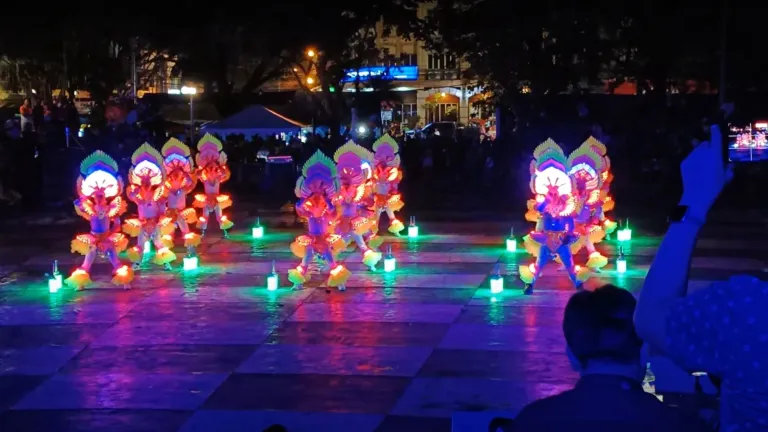
Image credit: MacccTV
The town of La Castellana celebrates Bailes de Luces (Dances of Lights) as a beacon of hope and resilience. This thanksgiving tradition features dancers in LED-lit costumes and vibrant props. The festival has become so iconic that its performers have even been crowned grand champions in national illumination competitions, proving that their light shines brighter than any challenge they face
8. Kamundagan Festival
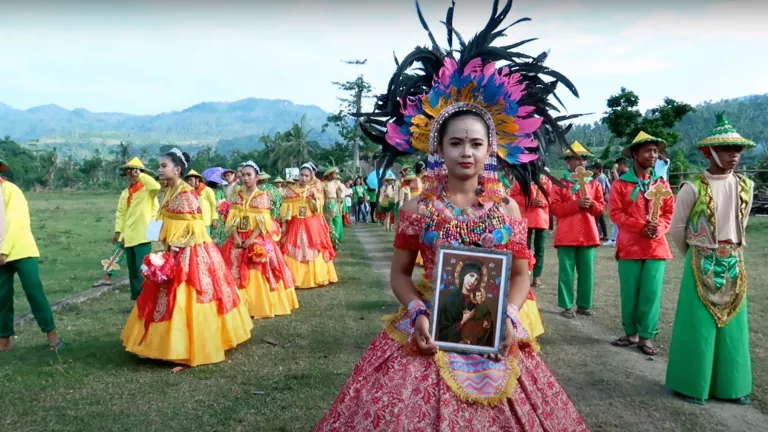
Image credit: Jeff and Cihl
The Kamundagan Festival is a month-long event held in Naga City (the heart of the Bicol Region) which celebrates the Advent Season. It comprises cultural events like street dance competitions (kiti-kiti), Biblical dramatisations (pastoras), and the Bikol Song Festival. Aside from its twinkling displays and festivities, Nagueños also use this time of the year to promote its local culture and traditions.
9. Feast of the Three Kings
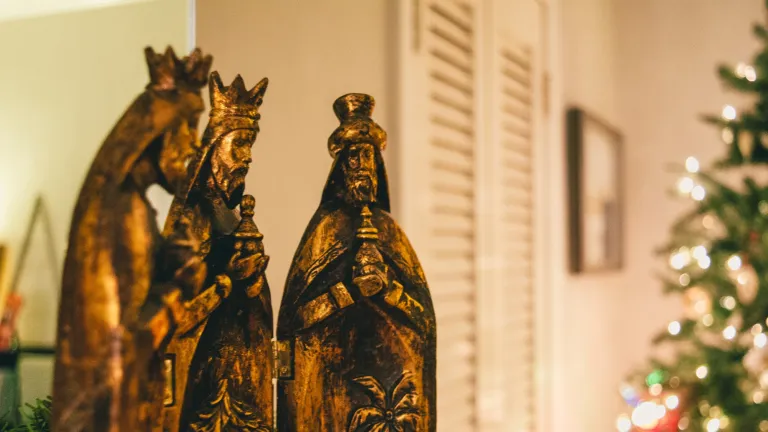
Image credit: Jonathan Meyer via Canva Pro
The Feast of the Three Kings or Araw ng Tatlong Hari officially caps the long Christmas season in the country! It is celebrated nationwide every first Sunday of January. In remembrance of the three wise men who visited the Child Jesus, Filipino Catholics see this as a time of feasting and gift-giving. A little fun fact: Feast of the Three Kings is also sometimes referred to as “Little Christmas,” as it is a traditional end to the Season.
10. Ati-Atihan
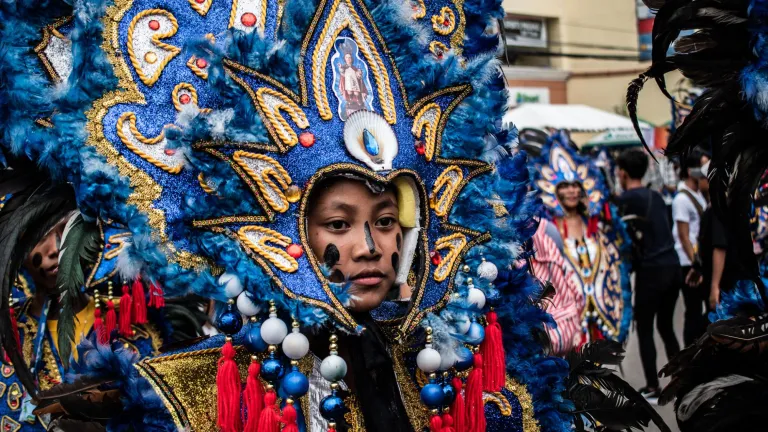
Image credit: Elisolidum
To officially cap off the season in January, the Ati-Atihan Festival in Kalibo remains the "Mother of All Philippine Festivals." This week-long celebration in honor of the Santo Niño is famous for its "Sadsad" street dancing and tribal-inspired costumes. It is the loudest and most colorful way to welcome a new chapter while honoring ancient roots.
Also read: Winter in the Philippines? 8 Places to Experience a Cold White Christmas
That’s about everything for this list of Christmas festivals in the Philippines to anticipate every year! May these exciting festivities get you into the holiday spirit and set you and your family up for a fun-filled Christmas. Maligayang Pasko sa inyong lahat!
Published at
About Author
Andrea Larice Yap
Andrea is a writer and creative individual based in Manila. This tiny human runs on iced coffee, music and films. You’ll probably catch her daydreaming in a park or jotting down random words to to put in a song. Otherwise, expect her taking a dive in the pool of uncertainty called “life.”
Subscribe our Newsletter
Get our weekly tips and travel news!
Recommended Articles
20 Signs You Were Born and Raised in The Philippines 12 Things Filipinos Terribly Miss When They Move Away Filipinos, you’ll absolutely miss these things when you move out of the country.
7 Christmas Traditions that Will Always Be in Every Filipino’s Heart These lasting traditions make Christmas in the Philippines extra special.
Filipino New Year Superstitions – Do You Still Believe in Them? Superstitious or not, here are practices that have long been part of every Filipino’s New Year celebration.
Countdown to 2016: Best Places in Manila to Welcome the Year with a Bang Ring in 2016 with awesome spectacle celebrations at these places in Manila.
Latest Articles
Passengers Trapped in Cable Cars After Colombia Earthquake: What to Do Cable car emergency safety tips
Where Should You Sit on a Plane? A Guide to Choosing the Best Flight Seat Choose the right seat
Fyang Smith and JM Ibarra’s Recent Travels: 7 Places They’ve Visited Their latest travel destinations
South Korea Visa Application Guide For Filipinos: Updated KVAC Fee And Requirements Korea visa tips
Just a Flight Away! Why Kota Kinabalu is the Easiest International Quick Getaway from Manila International travel made easy.