
Call yourself a true blue Filipino traveller if you’ve completed this Philippine Bucket List.

Philippines Tightens Airport And Seaport Screening Amid Hantavirus Alert
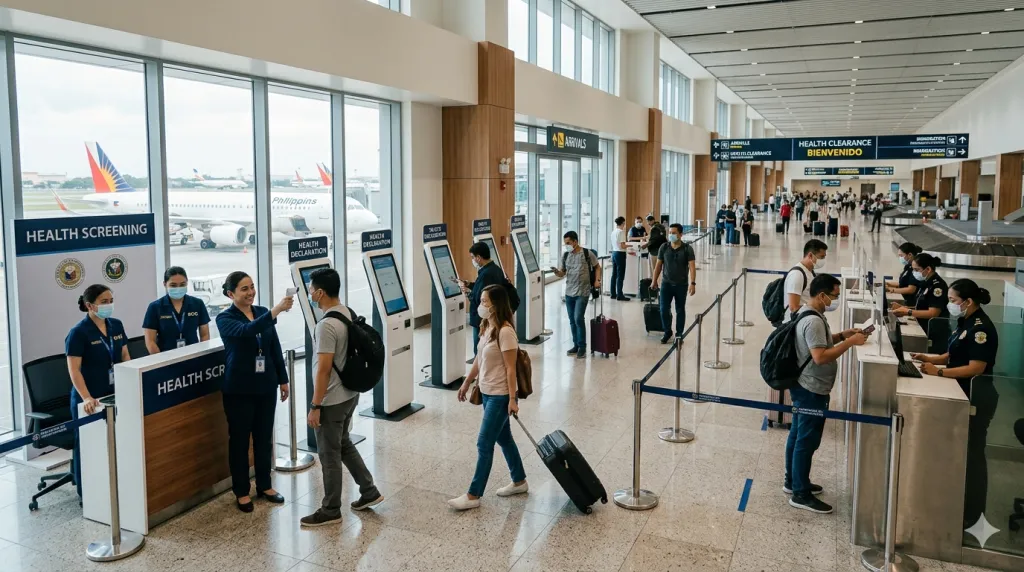
The Philippines has strengthened health and border screening measures at airports and seaports following precautionary steps taken by authorities to prevent the possible entry of hantavirus into the country. The Department of Health says this is part of enhanced monitoring linked to international reports of infections associated with a recent expedition cruise incident abroad.
At present, officials have confirmed that there are no recorded cases of hantavirus in the Philippines this year. Despite this, the government is taking a proactive approach to ensure continued protection, especially with ongoing international travel through major entry points such as airports and seaports.
Hantavirus is a rare illness usually linked to exposure to rodents and their droppings. It can cause symptoms such as fever, fatigue, and muscle pain, and in more severe cases, may lead to breathing difficulties and kidney complications. While it is not commonly encountered by travellers, health authorities continue to monitor it closely due to its potential risks.
Strengthened border screening at airports and seaports
To reinforce border health security, airports and seaports across the Philippines have implemented stricter screening procedures. Travellers entering the country are now required to complete a health declaration via the eGovPH app. This includes providing recent travel history and declaring any symptoms.
Upon arrival, passengers also undergo thermal scanning to check for fever. The Bureau of Quarantine is present at key entry points to monitor and assess arriving passengers. These measures are designed to quickly identify travellers who may require further evaluation.
If a passenger shows symptoms or has recently travelled from a flagged area, they may be referred for additional screening. In this context, flagged areas refer to:
Norway, where initial reports of the hantavirus-related incident linked to an expedition cruise ship were raised
Other parts of Europe connected to the same cruise route or passengers under monitoring
Ports of call used by the MV Hondius expedition cruise ship, which has been mentioned in international health alerts
Any country or transit point identified by the World Health Organisation (WHO) or partner health agencies as having potential exposure linked to the case under investigation
These classifications are based on ongoing international health surveillance, meaning the list can change depending on updated findings and official advisories.
Travellers coming from these areas, or those showing symptoms, may undergo further screening, including a medical assessment, physical examination, and possible isolation for monitoring. In some cases, individuals may be transferred to specialised facilities such as the Research Institute for Tropical Medicine for further care.
According to the Department of Health, these protocols are part of the country’s ongoing public health protection system, aimed at detecting potential threats early and preventing local transmission.
Also read: Airport Safety Tips: 10 Things You Should Never Do for Strangers at the Airport
Travel monitoring and public health reassurance
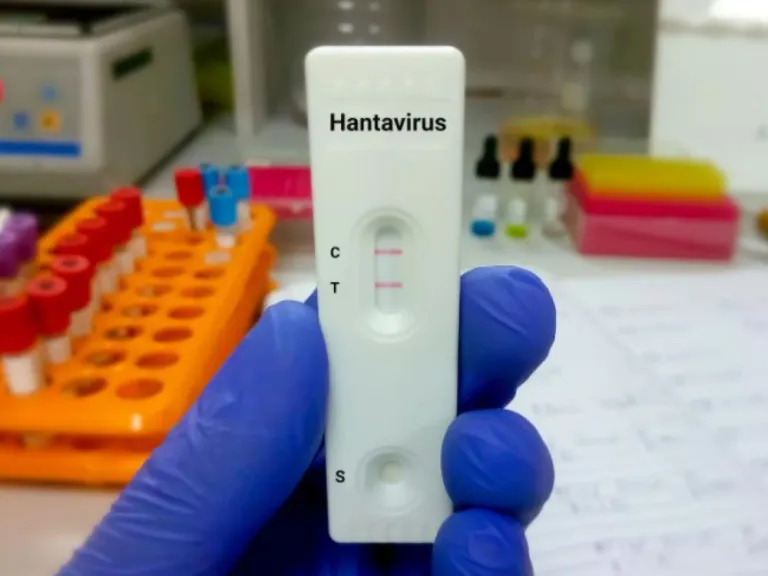
Image creditr: MD Saiful Islam Khan
The latest update also involves Filipino crew members who were aboard a cruise ship linked to reported infections abroad. They are currently completing a six week quarantine in the Netherlands as part of international health protocols before they are cleared to return to the Philippines.
Despite the increased screening measures, health officials have reassured the public that the risk remains low. There is currently no local transmission of hantavirus in the country, and the enhanced procedures are strictly precautionary.
For travellers, this means arrival processes may feel slightly more detailed than usual. Health declarations are now more strictly checked, and screening at airports and seaports may take longer depending on individual assessments. However, authorities emphasise that these steps are in place to ensure safer travel, not to disrupt movement.
From a travel perspective, this situation highlights how global health security is closely linked with international mobility. Airports and seaports now play a dual role, serving both as transport hubs and as key checkpoints for public health monitoring.
Travellers arriving in or leaving the Philippines are advised to keep their health information updated, use official digital platforms, and allow extra time for screening procedures. Staying informed about travel advisories issued by health authorities is also recommended.
Overall, the Philippines maintains that the situation is under control. With enhanced border screening and preventive measures in place, the focus remains on early detection, prevention, and ensuring that both local residents and international travellers remain safe while normal travel continues.
Published at
About Author
Jeliefer Sumaya
just tryna be an author
Subscribe our Newsletter
Get our weekly tips and travel news!
Recommended Articles
The Philippine Bucket List: 20 Challenges Every Filipino Traveller Must Complete 10 Countries Filipinos Probably Didn’t Know They Can Travel To Without Visa Filipinos rejoice! Your Philippine passport can take you to many countries you probably haven’t imagined travelling to without a visa.
PTAA Travel Tour Expo 2016 Latest Event Details Come 5-7 Feb 2016, PTAA Travel Tour Expo 2016 will once again showcase the hottest travel deals and promos from over 300 exhibitors around the Philippines.
The Great British Festival 2016: Experience the Best of Britain in Manila and Win Cool Prizes Join in the fun at the Great British Festival in Manila this 26-28 Feb 2016.
NAITAS Travel & Trade Show 2016 is Definitely BIG! Come 8-10 April 2016, the BIGGEST TRAVEL and TRADE SALE in the Philippines is here again!
Latest Articles
BTS’ Agency BIGHIT MUSIC Opens Global Audition: Can Filipinos Apply? Filipinos can audition
Philippines Holidays 2027: Complete List And Long Weekends 2027 holiday dates
US To Test New System That Could Help Reduce Flight Delays New flight delay system
National Cinema Day 2026: ₱100 Movie Tickets On 12 September Watch movies for ₱100
Hot Wheels Designer Brendon Vetuskey Meets Filipino Collectors at Kingsford Hotel Manila Hot Wheels collector gathering