
Cheers to a whopping number of 20 holidays and 13 long weekends in the Philippines! Filipinos have all reasons to rejoice this 2015 as well! Feeling the vacation vibe? Plan your getaways now!

Airport Safety Tips: 10 Things You Should Never Do for Strangers at the Airport
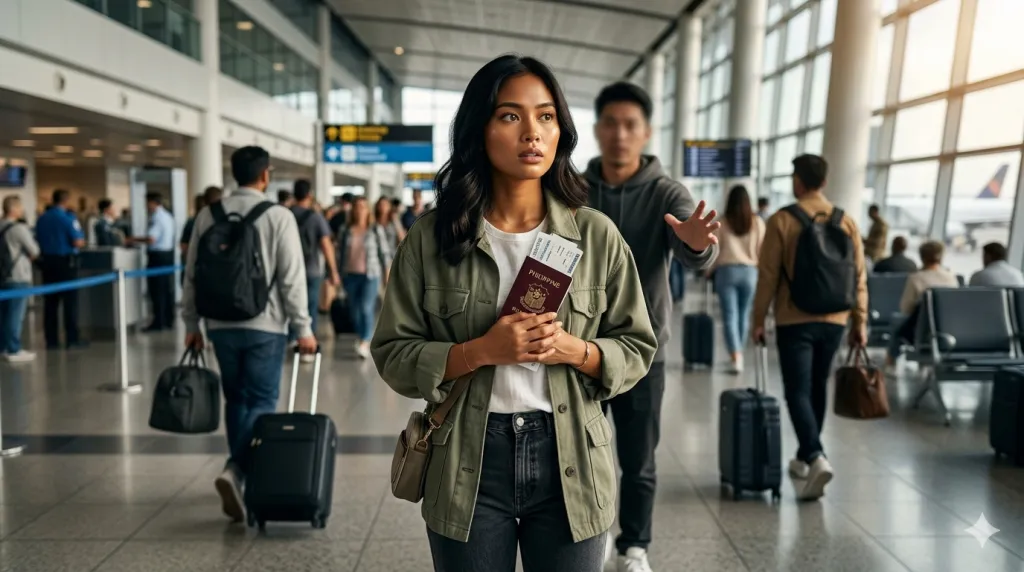
Airports may look safe, organised, and routine, but many travellers do not realise that small decisions made in these busy spaces can sometimes lead to serious problems.
From harmless-looking favours to unexpected requests from strangers, airports are one place where it pays to stay alert. While most people you encounter are genuine travellers, there are also situations where scams, security risks, or misunderstandings can happen quickly.
If you are travelling soon, here are important airport safety tips and common travel mistakes you should avoid when dealing with strangers at the airport
1. Why you should never hold or watch someone else’s luggage
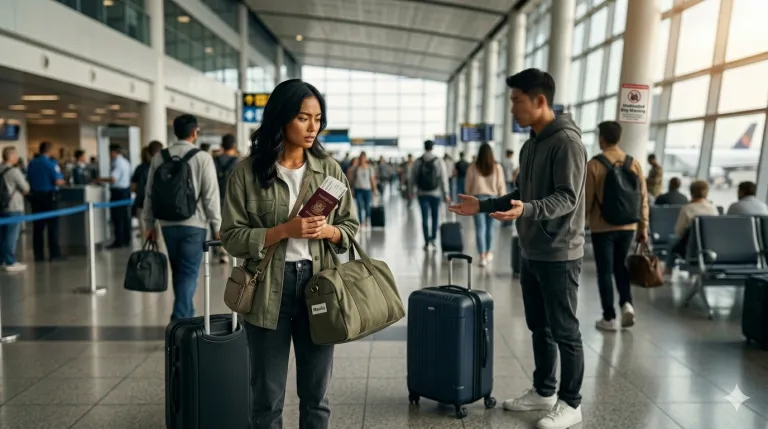
One of the most common requests at airports is when a stranger asks you to “just watch their bag for a few minutes.”
It may seem harmless, especially when someone looks friendly or in a hurry. However, airport security treats unattended baggage very seriously. If a bag is left with you and later flagged for inspection, you may be questioned or delayed even if the item is not yours.
For your safety, never take responsibility for luggage that does not belong to you.
2. The risk behind carrying items for strangers
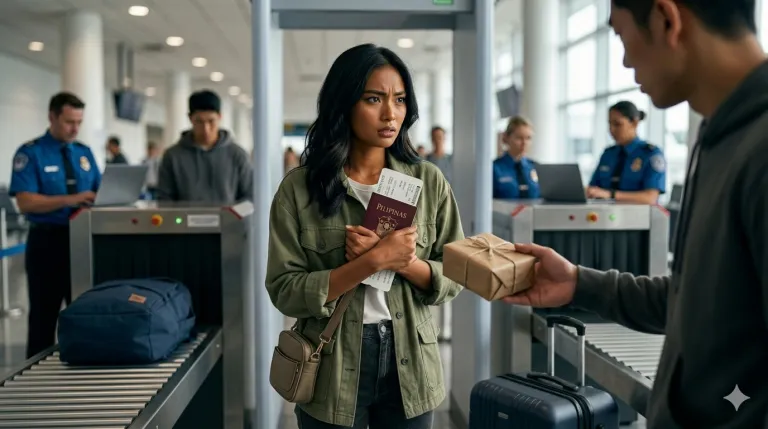
Some travellers may ask you to bring small packages, documents, or even pasalubong to another destination.
This is one of the oldest travel-related scam tactics. The problem is simple: you have no idea what is inside the item, and once you agree, you become responsible for it.
Even innocent-looking requests can lead to serious complications during security checks. A good rule is to only carry what you personally packed.
Also read: Airline Power Bank Rules in Asia: What You Can and Cannot Bring on a Flight
3. Why you should never let strangers handle your boarding pass or ID
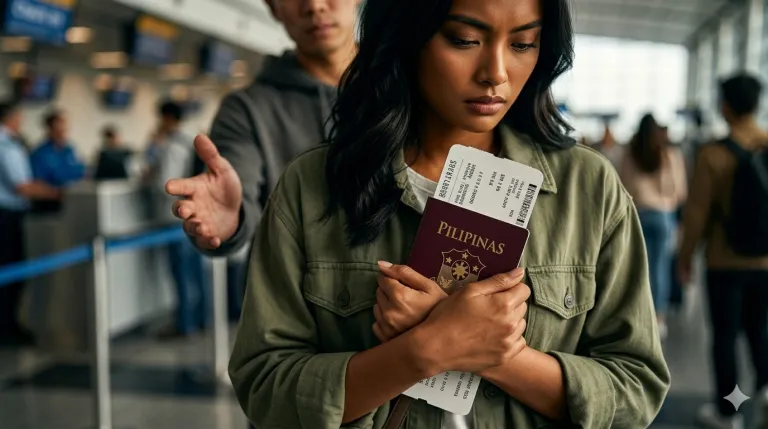
Your boarding pass and identification contain sensitive personal and travel information.
Sometimes, people may ask to “check something” or compare details, but handing over these documents can expose you to risks such as data copying or misuse.
Treat your travel documents the same way you treat your wallet or phone, keep them secure and always in your control.
4. Hidden risks of using unknown charging cables or ports
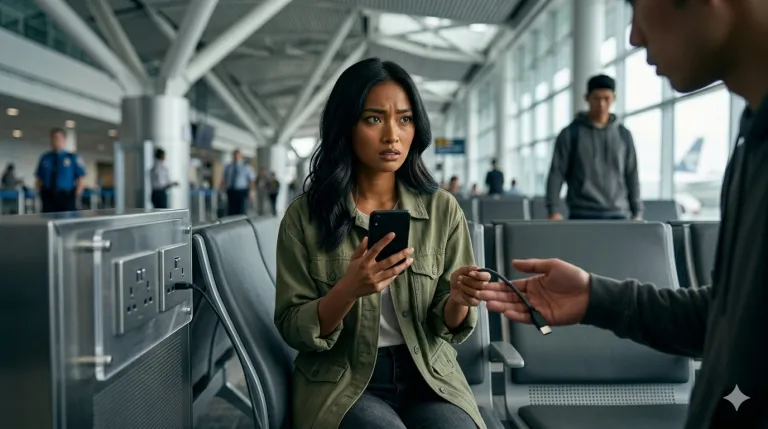
It is common to run low on battery at the airport, especially during long layovers. But be careful with random charging setups offered by strangers or unfamiliar stations.
Some cables or USB ports can be used for data theft, a risk known in busy public spaces. While not every port is dangerous, it is safer to use your own charger and plug directly into a wall socket.
5. Why not all free airport WiFi is safe
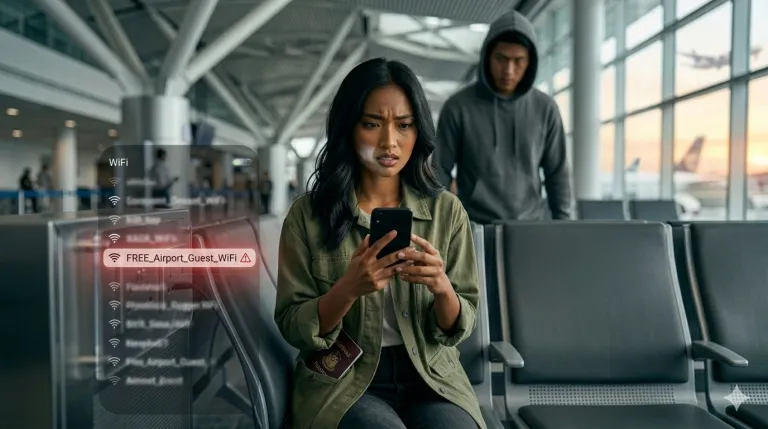
Free WiFi is convenient, but not all networks are legitimate.
In some cases, scammers create fake WiFi names that look like official airport connections to trick travellers into logging in. Once connected, personal data such as passwords and banking details may be exposed.
Always confirm the official network name from airport signage or staff before connecting.
6. The danger of exchanging money with strangers
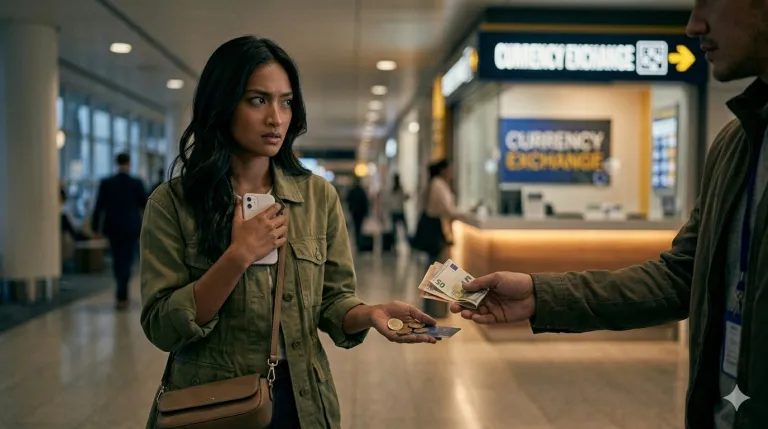
If someone approaches you offering a better exchange rate, it is best to avoid them completely.
Currency exchange scams can involve fake bills, incorrect amounts, or distractions during the transaction. Airports already have authorised exchange counters and ATMs, which are far safer options.
7. Why you should only trust verified airport staff

Some scammers may pose as airport staff and offer help with check in, baggage, or immigration processes.
While they may appear helpful, always make sure you are dealing with official personnel in designated areas. If you are unsure, go directly to an information desk or official counter.
8. Why oversharing travel plans can be risky
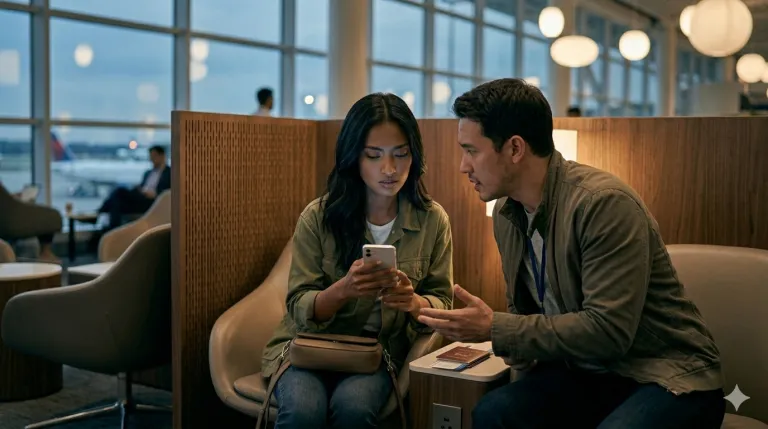
Talking to fellow travellers is normal, but sharing too many details about your trip can expose you to unnecessary risk.
Information like your hotel, itinerary, or how long you will be away can be misused in certain situations. Keeping your travel plans private is a simple way to stay safer.
9. Why you should not give up your place in queues
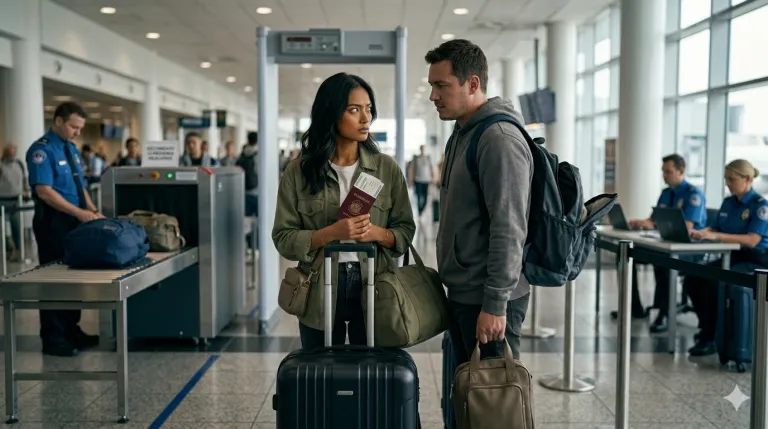
At airports, especially during security checks and immigration, some people may ask to take your place in line.
While it may sound like a small favour, it can sometimes be used to bypass proper procedures or create confusion. It is always better to politely decline and stay in your position.
10. Why you should avoid rushed or pressured requests

Many scams rely on urgency. A stranger may say they are late, lost, or in an emergency situation and need immediate help.
This pressure is designed to make you act without thinking. If someone is rushing you, it is a sign to pause and step back. In most cases, it is safer to direct them to airport staff instead of getting personally involved.
A quick reminder before your next flight
Airports are generally safe and well-secured, but they are also places where small decisions matter. Not every request from a stranger is dangerous, but not every request is safe either.
Being cautious does not mean being rude. It simply means protecting yourself, your belongings, and your travel experience.
A simple rule to remember is this: if it involves your belongings, identity, or personal responsibility, it is always okay to say no.
Before your next flight, make sure you are aware of these common travel risks. A few seconds of caution can save you from unnecessary stress later on.
Published at
About Author
Jeliefer Sumaya
just tryna be an author
Subscribe our Newsletter
Get our weekly tips and travel news!
Recommended Articles
13 Long Weekends in the Philippines in 2015 5 Easy Weekend Destinations Outside Manila, Philippines There are many other beautiful places in the Philippines outside its capital, but these 5 destinations will let you enjoy weekend trips with great ease.
The Philippine Bucket List: 20 Challenges Every Filipino Traveller Must Complete Call yourself a true blue Filipino traveller if you’ve completed this Philippine Bucket List.
10 Countries Filipinos Probably Didn’t Know They Can Travel To Without Visa Filipinos rejoice! Your Philippine passport can take you to many countries you probably haven’t imagined travelling to without a visa.
8 Tricks to Successfully Grab Cheap Promo Flights in the Philippines PISO fare! Ooops, too late, all seats are sold out! Here’s what you need to do next time.
Latest Articles
Singapore to Host BTS THE CITY ARIRANG in December 2026 BTS fan experiences across Singapore
New Makati to Baguio Bus Route: Schedule and Fare One Ayala departures
Taiwan Is Paying Tourists Up to NT$8,000 to Visit — Here’s How You Can Get It Here’s how Filipino travellers can qualify, plus visa-free entry and KKday savings
Filipinos Can Now Fly To Europe Via Istanbul New Europe flight route
Philippines Tourism Slogan: What Is ‘Love the Philippines’? Senators discuss tourism branding