
Come 5-7 Feb 2016, PTAA Travel Tour Expo 2016 will once again showcase the hottest travel deals and promos from over 300 exhibitors around the Philippines.

Power Bank Rules on Flights: What You Can and Can’t Bring in 2026
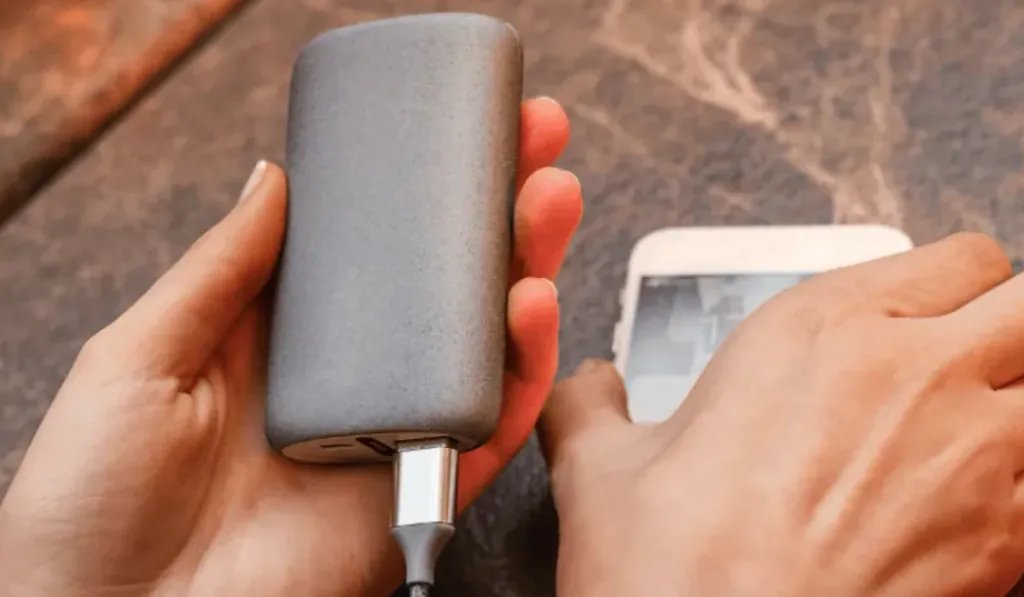
If you never travel without a power bank, you’re not alone. From navigating new cities to capturing travel moments, staying charged has become part of every trip.
But before you toss that portable charger into your bag, there’s one thing you need to know. Airline rules are getting stricter, and what used to be allowed might not be okay now.
Here’s a simple, updated guide to power bank rules so you can avoid delays, confiscation, or stress at the airport.
Can you bring a power bank on a plane?
Yes, but only under specific conditions.
Power banks are allowed because they’re considered personal electronic devices. However, since they contain lithium-ion batteries, they are also classified as potential fire risks.
That’s why airlines and aviation authorities regulate how they are packed and used during flights.
The most important rule: carry-on only
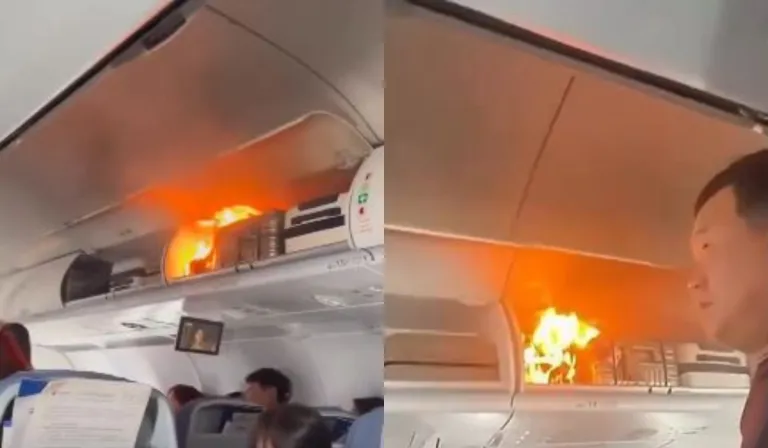
Power banks must always be placed in your carry-on luggage. They are not allowed in checked baggage.
This rule exists for safety. If a battery overheats or malfunctions, it can be quickly handled inside the cabin. In the cargo hold, it’s much harder to detect and control.
Also read: Airport Safety Tips: 10 Things You Should Never Do for Strangers at the Airport
How many power banks can you bring?
Image credit: Tomeqs Photos via Canva Pro
Most airlines follow general safety guidelines when it comes to quantity.
In many cases, passengers are allowed to bring up to two power banks. Some airlines may allow more, but bringing too many can raise concerns during security checks.
If you want to avoid issues, it’s best to stick to one or two.
Power bank size limits explained
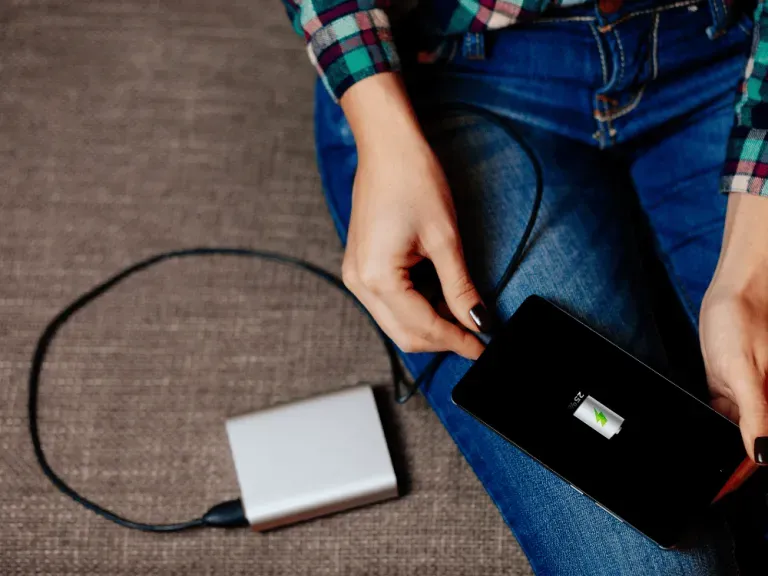
Image credit: Avanti Photo via Canva Pro
Not all power banks are allowed on flights. The key factor is battery capacity, measured in watt-hours (Wh).
Here’s a quick guide:
Under 100Wh
Allowed in carry-on without approval
100Wh to 160Wh
Usually allowed, but may require airline approval
Over 160Wh Not allowed on flights
Most everyday power banks fall under 100Wh, so they’re generally safe to bring. If you’re unsure, check the label printed on your device.
Can you use a power bank during the flight?
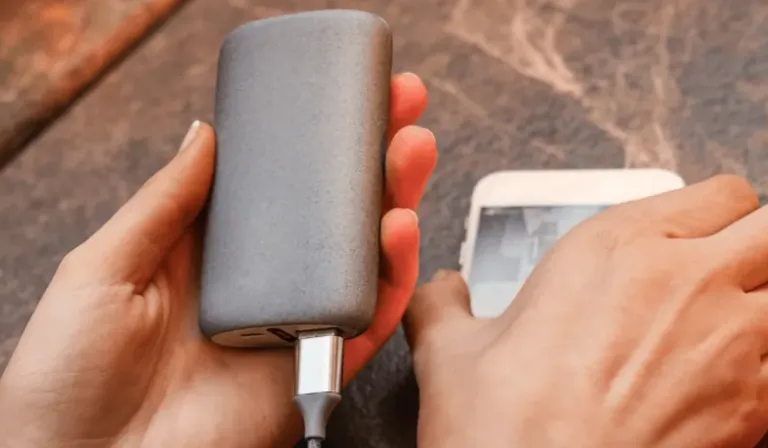
Image credit: Can Cicek via Canva Pro
Rules around usage are becoming stricter.
Some airlines still allow passengers to use power banks during flights, but others have started limiting or discouraging use due to safety concerns.
To avoid any issues, it’s safer to:
Avoid using your power bank during the flight
Fully charge your devices before boarding
Where should you store your power bank?
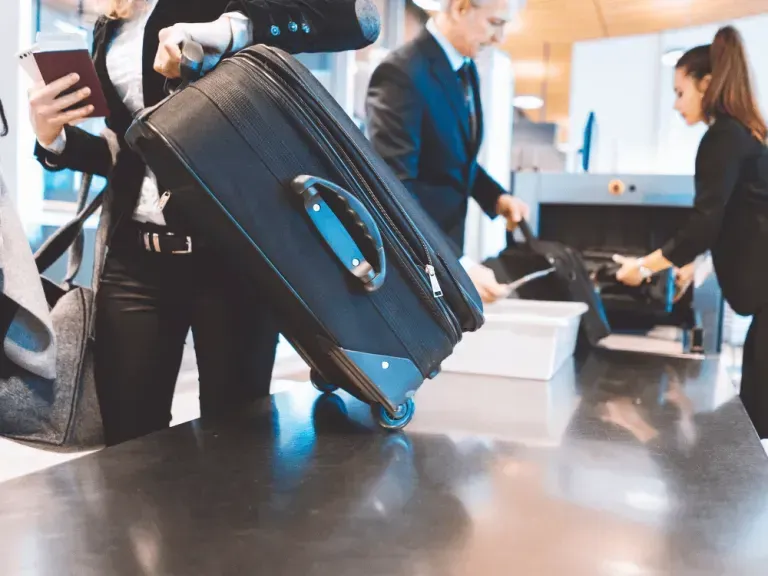
Image credit: Ziga Plahutar via Getty Images Signature
Even inside the cabin, proper storage matters.
Airlines may require power banks to be:
Kept within reach (under your seat or seat pocket)
Not stored in overhead compartments on some flights
Keeping it accessible allows the crew to respond quickly if there’s a problem.
Why are airlines strict about power banks?
It all comes down to safety.
Lithium-ion batteries can overheat if damaged, defective, or exposed to certain conditions. While incidents are rare, the risk is serious enough for airlines to enforce stricter rules.
These policies are designed to prevent problems before they happen.
Quick checklist before your flight
Before heading to the airport, double-check these:
Your power bank is under 100Wh
You’re carrying only one or two
It’s packed in your carry-on, not checked luggage
The capacity is clearly labelled
You’re not planning to use it during the flight
What to remember before you fly
Power banks are still one of the most useful travel essentials you can bring. But with changing airline policies, it’s no longer something you can pack without thinking.
A quick check before your flight can save you from delays, confiscation, or unnecessary stress at the airport. When in doubt, always check your airline’s latest rules, since policies can change without much notice.
Japan Travel TipsPhilippine AirlinesCebu PacificAir travel hacks Travel UpdatesChinaSingaporeMalaysiaIndonesia
Published at
About Author
Jeliefer Sumaya
just tryna be an author
Subscribe our Newsletter
Get our weekly tips and travel news!
Recommended Articles
PTAA Travel Tour Expo 2016 Latest Event Details The Great British Festival 2016: Experience the Best of Britain in Manila and Win Cool Prizes Join in the fun at the Great British Festival in Manila this 26-28 Feb 2016.
NAITAS Travel & Trade Show 2016 is Definitely BIG! Come 8-10 April 2016, the BIGGEST TRAVEL and TRADE SALE in the Philippines is here again!
Hot Summer News: ZoukOut Singapore Goes to Boracay This Labour Day Weekend The iconic ZoukOut festival is coming to the Philippines! Save the dates on April 30 and May 1 and out to the country’s best beach party destination – Boracay.
The New, High Security Philippine E-Passport Finally Unveiled! Excited for the new Philippine passport? Here’s a sneak peek to the new look on our favourite travel document!
Latest Articles
Nepal Flash Floods: Travellers Urged To Avoid These Areas Affected areas and travel advice
PAL Seat Sale: Ultimate Sale Until 30 August Seven-day flight deals
Flooded? You May Be Eligible For An SSS Emergency Loan SSS emergency loan up to ₱20,000
Cebu Pacific Resumes Flights To Vietnam In 2026 More direct Vietnam flights
Airfares May Get Cheaper in August as CAB Cuts Fuel Surcharge Lower fuel surcharges explained