
Here’s how Filipino travellers can qualify, plus visa-free entry and KKday savings

New US Green Card Policy May Force Up to 200,000 Filipinos to Return Home
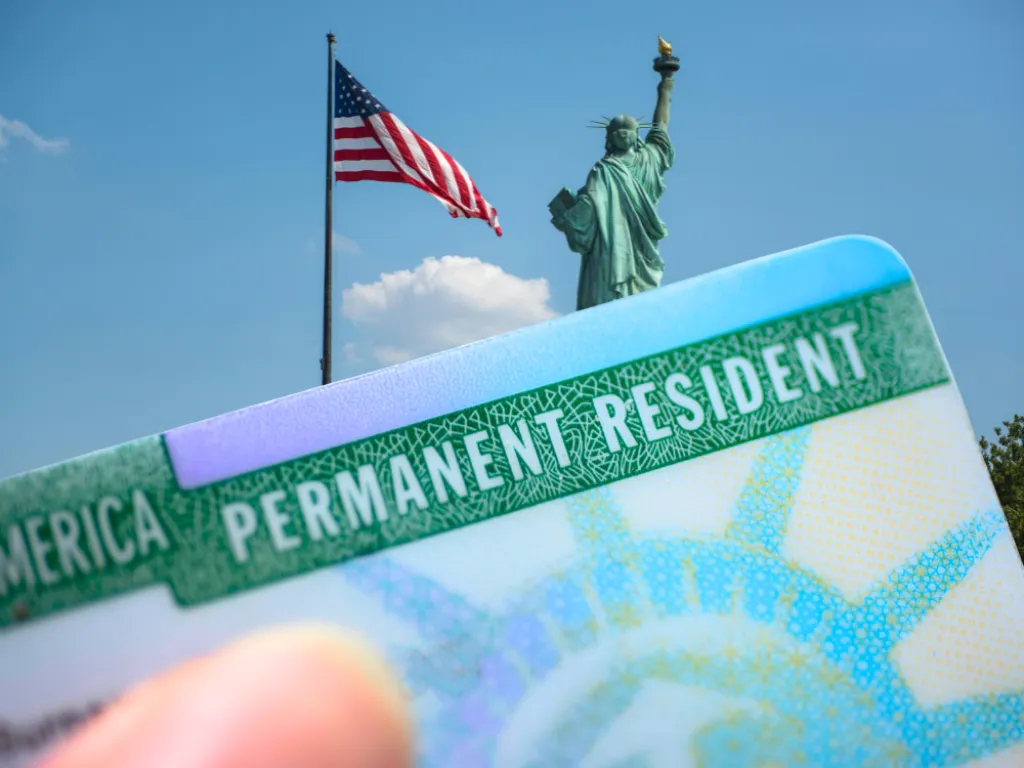
For the thousands of Filipinos currently living in the United States on temporary visas, this means the old routine of changing your status while staying on American soil is mostly over. The US government wants temporary visitors to go home when their visas end, rather than using their stay as a stepping stone to permanent residency. It is a sudden shift that adds a huge layer of stress and cost to the daily grind of immigrant life.
Adjustment of status vs consular processing for Filipino applicants
Image credit: Canva Pro
In the past, many Filipinos who entered the US on nonimmigrant visas, like a tourist visa, a student visa, or an H-1B temporary work visa, would use a process called adjustment of status. This allowed them to file their green card paperwork directly with US Citizenship and Immigration Services (USCIS) while remaining legally inside the country.
Under the new rule, that route is being closed for most temporary visa holders. Instead, applicants must go through consular processing. This means you must return to the Philippines and handle your green card application through the US Department of State, specifically at the US Embassy in Manila. The policy aims to stop people from staying in the US illegally if their residency applications get denied.
Also read: Trump Pauses Migration: US Does Not Welcome Migrants From Poorer Countries
Extraordinary circumstances and US visa exceptions that allow you to stay

Image credit: Canva Pro
US government has stated that temporary visa holders must leave unless they face extraordinary circumstances. There are a few specific exemptions, mainly for individuals who provide an economic benefit or whose stay is in the national interest.
If you are a highly specialized scientist, researcher, or professional, you might qualify for a National Interest Waiver, which could allow you to stay in the US to complete your application. Additionally, people holding dual-intent visas, such as H-1B or L-1 visas, which legally permit you to work temporarily while pursuing permanent residency, will likely be able to continue on their current path without leaving. There are also humanitarian exceptions for asylum seekers, refugees, or victims of violent crime and human trafficking who cannot safely return home.
Also read: Trump to Ban Obese Immigrants and Special Needs Children from U.S.
How to apply for a US green card from the Philippines: Step-by-step guide
Image credit: Canva Pro
If you do not fit into those small exception categories, you will have to navigate consular processing from home. The entire timeline shifts from American offices to agencies in Manila.
1. Your sponsor must file the initial petition. This means submitting Form I-130 for family-based applications or Form I-140 for employment-based applications directly with USCIS.
2. Once that petition is approved, your case moves to the National Visa Center. At this stage, you will need to log into their online portal to pay your immigrant visa fees and upload your civil documents, such as your birth certificate and police clearances.
3. Before you can attend your final interview, you must undergo a complete medical screening in the Philippines. This mandatory health check is conducted at an authorized facility, specifically the St. Luke’s Medical Center Extension Clinic in Manila.
4. Finally, you will book and attend a formal visa interview at the US Embassy in Manila. A consular officer will review all your paperwork, and if everything is in order, they will stamp the immigrant visa into your passport.
Unlawful presence risks and the 10-year travel ban for visa overstays
Moving back to the Philippines to wait for a green card is not always as simple as booking a flight. If you overstayed your temporary visa while in America, leaving the country can trigger automatic penalties.
Under US law, staying unlawfully in the country for more than 180 days can result in a three-year or ten-year bar to re-entry. If you cross the border to start consular processing with an overstay on your record, you might find yourself banned from returning to the US for a decade. To fix this, some applicants apply for an I-601A provisional waiver for unlawful presence before they leave, but this new policy means you must check exactly how your departure timeline will affect your waiver.
Important next steps for Filipino visa holders in the United States
If you are a Filipino currently in the US on a temporary visa and planning to get a green card, do not pack your bags or leave the United States immediately. Leaving without a clear plan can accidentally trigger a multi-year travel ban if you have any history of visa overstay.
Before you make any travel arrangements, look into official directories like the American Immigration Lawyers Association to find a licensed legal professional, or contact a trusted legal aid clinic to look over your paperwork.
NOTE: This article is for informational purposes only. US immigration policies change very quickly, and this information does not constitute formal legal advice. Always verify your specific situation with a legal expert before making decisions about your immigration status.
Featured image credit: Canva Pro
Published at
About Author
Wynona Purl
Wynona Purl is a pop-culture junkie, writer, and editor from the Philippines. She runs an indie style & culture magazine called Modamorph that features artists from the underground scene. A certified chatterbox who loves cats, anything ube, and always has guts and curiosity. For her, life’s fortune always favours the bold. She hopes to see more of the world someday and turn those travels into stories.
Subscribe our Newsletter
Get our weekly tips and travel news!
Recommended Articles
Latest Articles
Taiwan Is Paying Tourists Up to NT$8,000 to Visit — Here’s How You Can Get It Filipinos Can Now Fly To Europe Via Istanbul New Europe flight route
Philippines Tourism Slogan: What Is ‘Love the Philippines’? Senators discuss tourism branding
Thailand Jet Ski Rider Arrested After Viral Bangkok Flood Video Bangkok jet ski rider arrested
Damaged Philippine Passport? What To Do Passport damage and replacement