
Come 5-7 Feb 2016, PTAA Travel Tour Expo 2016 will once again showcase the hottest travel deals and promos from over 300 exhibitors around the Philippines.

Passengers Trapped in Cable Cars After Colombia Earthquake: What to Do

Imagine being high above the ground when suddenly the cable car you are riding in starts shaking. There is nowhere to pull over or simply step outside, leaving you suspended in the air and waiting for the situation to unfold.
That was the terrifying situation passengers faced in Cali, Colombia, when an earthquake struck on 10 August 2026 while the city's MIO Cable was operating. Videos showed passengers inside the cabins as they swayed during the earthquake while operators checked the system.
WATCH THE FOOTAGE
So, what should you do if an earthquake happens while you are riding a cable car?
What Happens to a Cable Car During an Earthquake?
A cable car may be stopped after an earthquake so operators can check whether the system is safe.
This can include inspecting the cables, cabins, towers and stations before allowing the service to continue.
For passengers, that could mean staying inside the cabin until operators give further instructions. While it may feel scary to be stuck in the air, trying to get out on your own can be much more dangerous.
What to Do If an Earthquake Happens in a Cable Car
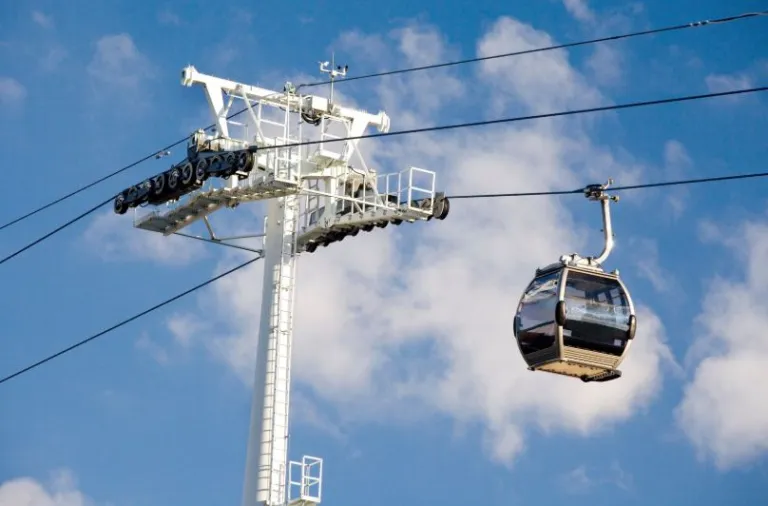
Stay inside
Do not try to open the doors or climb out of the cabin. Cable cars can be high above the ground, and there may be no safe way to reach a station.
Wait for instructions from the cable car operator or emergency personnel.
Stay calm
The cabin may sway during an earthquake, which can be frightening.
Take a breath, stay seated if possible and avoid sudden movements. If you are travelling with children, reassure them and help them stay calm too.
Follow the operators
Listen carefully for announcements and safety instructions.
The cable car may remain stopped while safety checks are carried out. It can be frustrating to wait, but the system needs to be assessed before passengers can safely continue their journey.
Do not rush to evacuate
If an evacuation is necessary, trained personnel will provide instructions on how to leave safely.
Even if the cabin appears fine, passengers cannot see whether the cables, towers or other parts of the system have been affected.
Are Cable Cars Safe During an Earthquake?

Cable cars are used around the world for sightseeing and public transport, with safety procedures in place for unexpected situations.
However, a strong earthquake can still require the system to stop temporarily while inspections are carried out.
The safest response for passengers is simple: stay inside, remain calm and follow the instructions of trained personnel.
Cable Car Safety Tips for Travellers
Planning to ride a cable car on your next trip? Keep these in mind:
Pay attention to safety instructions before boarding.
Keep the doors closed during the journey.
Know where emergency communication equipment is located.
Stay inside if the cable car suddenly stops.
Follow instructions from operators and emergency personnel.
Never attempt to climb out without assistance.
Cable cars can be an amazing way to see a destination from above, but the incident in Colombia is a reminder that unexpected situations can happen anywhere.
If an earthquake strikes while you are up in the air, you may not be able to control the situation, but you can control how you respond. Stay calm, stay inside and let trained operators take care of the rest.
Published at
About Author
Jeliefer Sumaya
just tryna be an author
Subscribe our Newsletter
Get our weekly tips and travel news!
Recommended Articles
PTAA Travel Tour Expo 2016 Latest Event Details The Great British Festival 2016: Experience the Best of Britain in Manila and Win Cool Prizes Join in the fun at the Great British Festival in Manila this 26-28 Feb 2016.
NAITAS Travel & Trade Show 2016 is Definitely BIG! Come 8-10 April 2016, the BIGGEST TRAVEL and TRADE SALE in the Philippines is here again!
Hot Summer News: ZoukOut Singapore Goes to Boracay This Labour Day Weekend The iconic ZoukOut festival is coming to the Philippines! Save the dates on April 30 and May 1 and out to the country’s best beach party destination – Boracay.
The New, High Security Philippine E-Passport Finally Unveiled! Excited for the new Philippine passport? Here’s a sneak peek to the new look on our favourite travel document!
Latest Articles
BTS’ Agency BIGHIT MUSIC Opens Global Audition: Can Filipinos Apply? Filipinos can audition
Philippines Holidays 2027: Complete List And Long Weekends 2027 holiday dates
US To Test New System That Could Help Reduce Flight Delays New flight delay system
National Cinema Day 2026: ₱100 Movie Tickets On 12 September Watch movies for ₱100
Hot Wheels Designer Brendon Vetuskey Meets Filipino Collectors at Kingsford Hotel Manila Hot Wheels collector gathering