
Come 5-7 Feb 2016, PTAA Travel Tour Expo 2016 will once again showcase the hottest travel deals and promos from over 300 exhibitors around the Philippines.

Europe Heat Wave 2026: Countries And Cities Most Affected By Record Breaking Temperatures
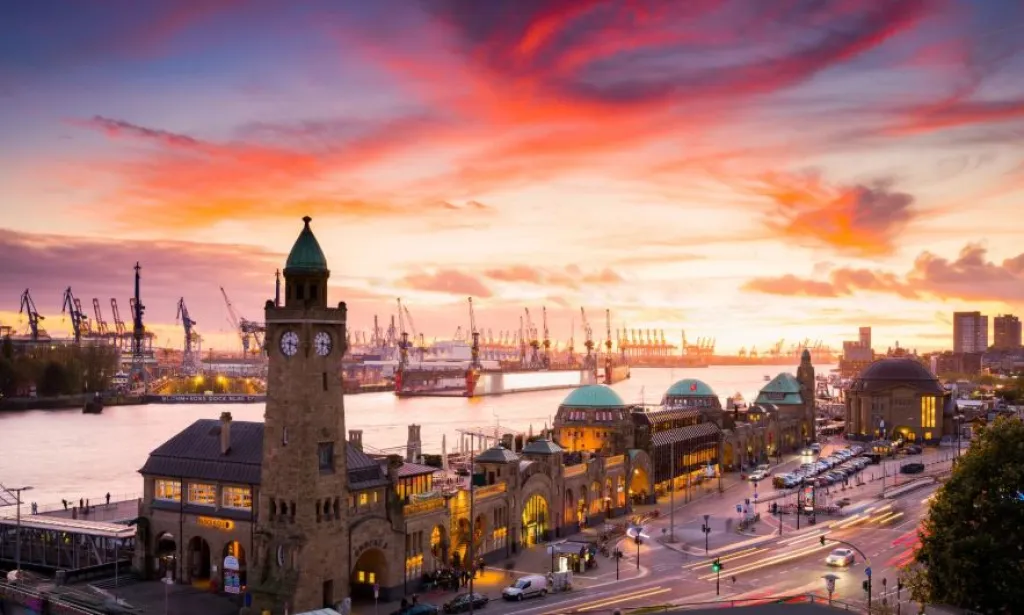
Europe is experiencing one of its most severe heat waves in recent history, with temperatures soaring beyond 40°C across several countries. The extreme weather has triggered wildfires, travel disruptions, school closures, and health warnings, making it an important concern for anyone planning a Europe trip this summer.
The 2026 Europe heat wave first intensified across Western Europe before spreading into Central Europe, breaking long standing temperature records in multiple countries. Experts also say that climate change has made extreme heat events like this more frequent and more intense.
If you're travelling to Europe soon, here are the countries and cities most affected by the European heat wave.
France
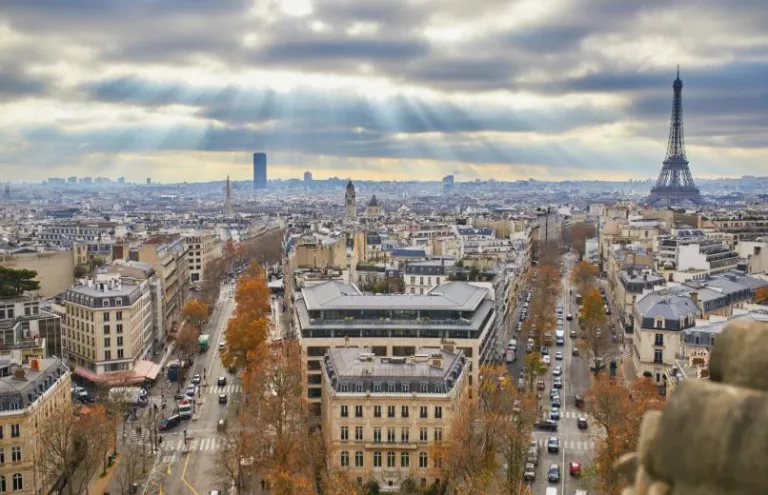
Image credit: Jaspe | Canva Pro
France remains one of the worst affected countries in Europe.
Several regions have recorded temperatures above 40°C, prompting authorities to issue widespread heat alerts. Schools have temporarily closed in some areas, while public transport has experienced disruptions because of the extreme weather.
French health officials have also reported around 1,000 excess deaths linked to the recent heat wave, with older adults considered among the most vulnerable. Residents and visitors are being urged to stay hydrated, avoid unnecessary outdoor activities during the hottest hours, and follow local weather advisories.
Germany
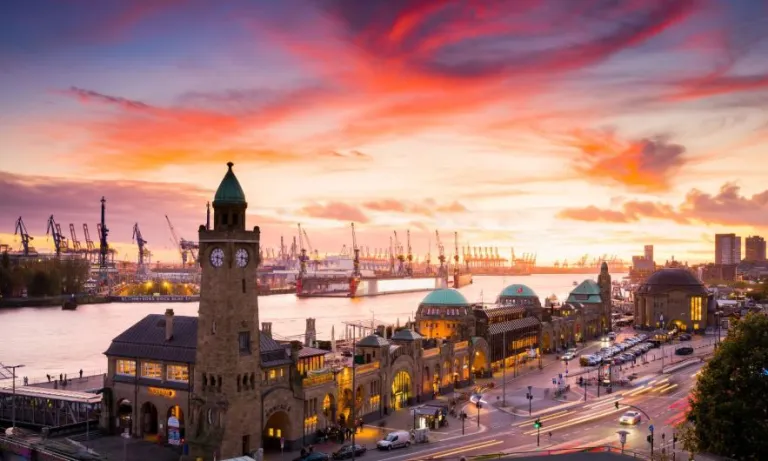
Image credit: Jotily | Canva Pro
Germany has recorded its highest temperature ever, with parts of the country exceeding 41°C.
The intense heat has affected railway services, increased the risk of wildfires, and placed additional pressure on emergency services. In Berlin, authorities even used water cannons in public spaces to help people cool down as temperatures continued to climb.
Travellers should prepare for possible transport delays and check weather updates before travelling between cities.
Spain
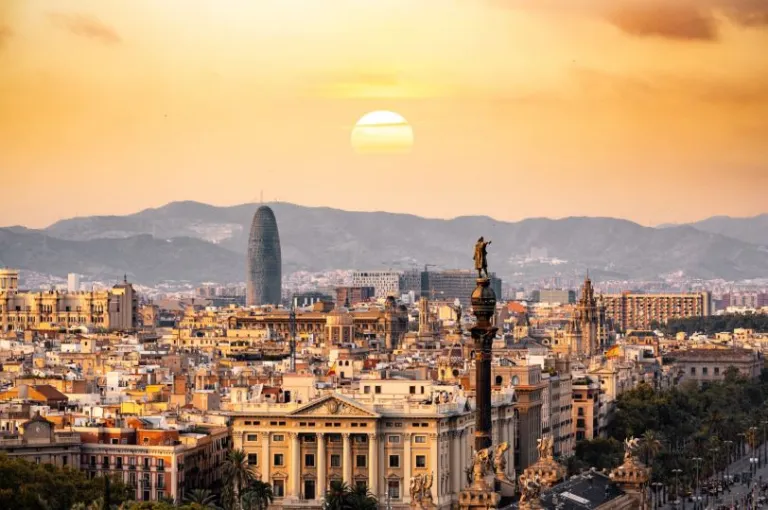
Image credit: Alexandar Parasek | Pexels
Spain continues to experience prolonged periods of extreme heat, with many areas recording temperatures above 40°C.
Authorities have issued health warnings as the risk of wildfires remains high because of the hot and dry conditions. Popular tourist destinations are also seeing fewer people outdoors during the afternoon as visitors seek shelter from the heat.
If you plan to visit Spain, it is best to schedule outdoor activities early in the morning or later in the evening.
iItaly
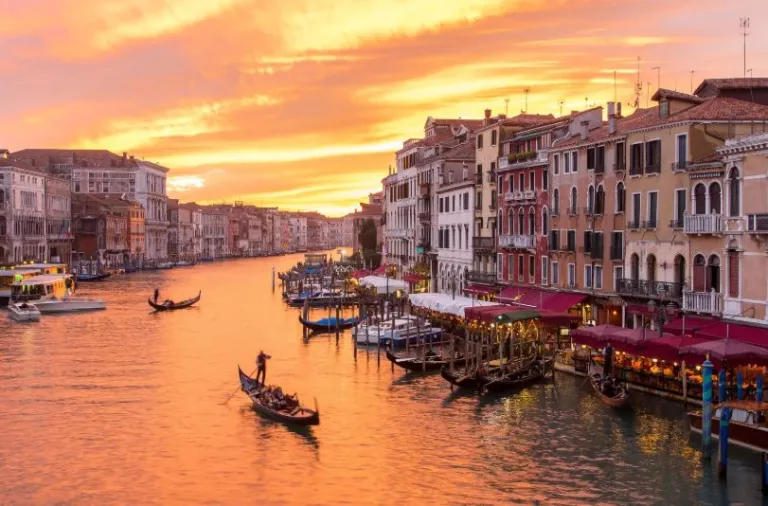
Image credit: ShutterOK | Canva Pro
Italy is also experiencing dangerous temperatures across several regions.
Many cities remain under heat alerts, including Rome, where sightseeing has become more challenging during the hottest part of the day.
The prolonged heat has also lowered water levels in the Po River, raising concerns for agriculture and hydroelectric power generation. Travellers are encouraged to carry water at all times and take regular breaks when exploring outdoor attractions.
Poland
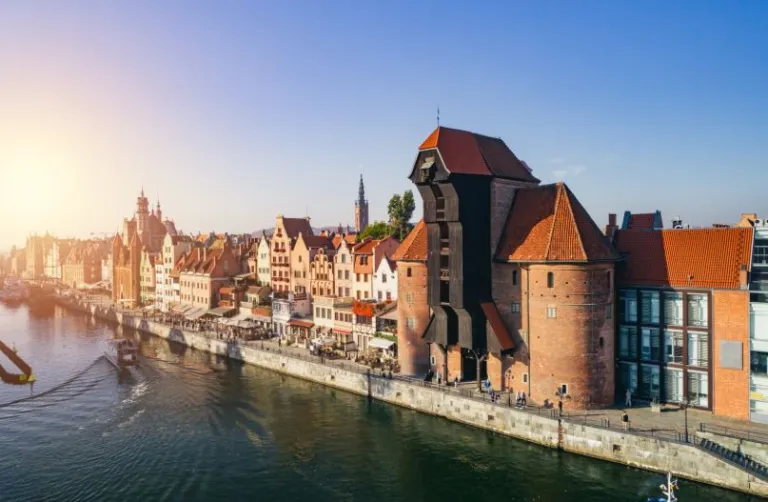
Image credit: Michal collection | Canva Pro
Poland has broken a temperature record that had stood for more than a century after temperatures climbed above 40°C.
The country is among several parts of Central Europe now experiencing the continued spread of the heat wave.
Czech Republic
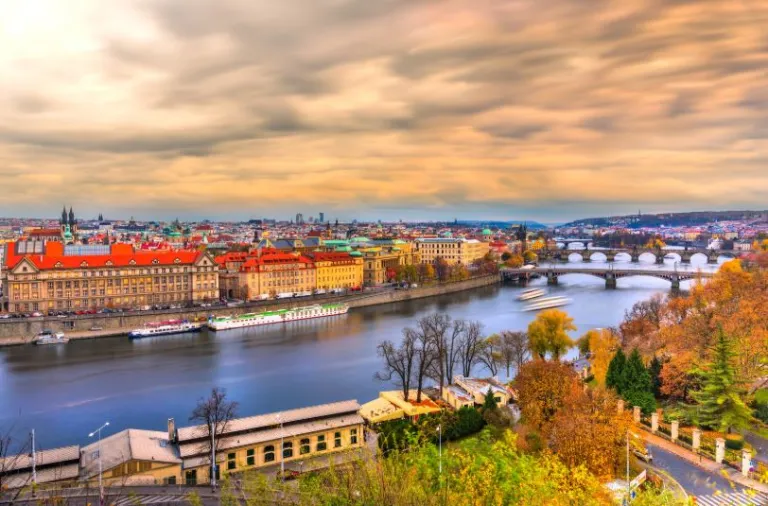
Image credit: MasrLu | Canva Pro
The Czech Republic has recorded a new national temperature record after temperatures reached 41.9°C.
Authorities continue to monitor the impact of the heat while issuing warnings related to air quality and public health.
Hungary
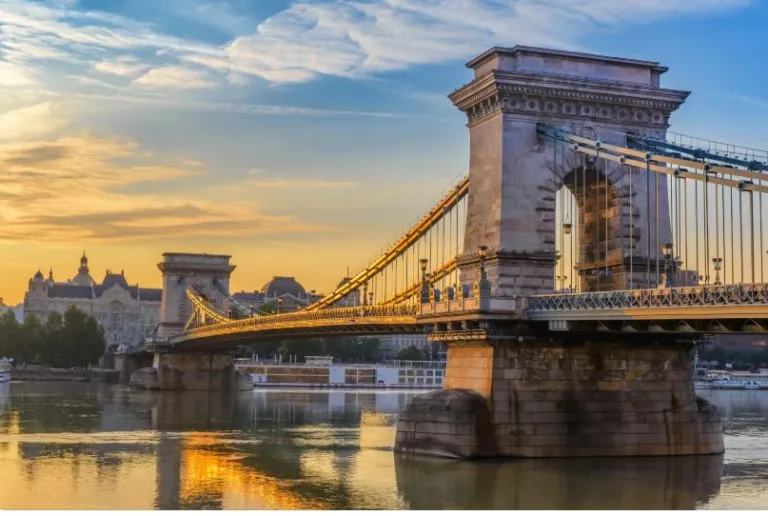
Image credit: Nopassin Wongchum | Canva Pro
Hungary has also experienced temperatures above 40°C, with officials closely monitoring the effects of prolonged heat on public health, agriculture, and infrastructure.
European Cities Experiencing Extreme Heat
Several of Europe's most popular destinations are currently facing dangerous temperatures, including:
Paris
Berlin
Madrid
Rome
Prague
Warsaw
Visitors should expect very hot afternoons, possible transport disruptions, and temporary changes to outdoor activities or attractions during periods of extreme heat.
Travel Tips During The Europe Heat Wave
If you are travelling to Europe in the coming weeks, these simple tips can help you stay safe.
Drink plenty of water throughout the day.
Avoid outdoor sightseeing during the afternoon when temperatures are highest.
Wear lightweight clothing, sunglasses, and sunscreen.
Check local weather forecasts before heading out.
Monitor transport updates, especially if travelling by train.
Take regular breaks in air conditioned spaces whenever possible.
Is The Europe Heat Wave Ending?
According to meteorologists, temperatures may begin to ease across parts of Western Europe in the coming days. However, Central Europe and parts of the Balkans are expected to continue experiencing very hot conditions as the heat shifts eastward.
If you are planning a holiday to Europe, staying updated with local weather forecasts and official travel advisories will help you enjoy your trip more safely.
While summer remains one of the best times to explore Europe, the 2026 Europe heat wave is a reminder that checking the weather before travelling is just as important as booking your flights and accommodation.
Published at
About Author
Jeliefer Sumaya
just tryna be an author
Subscribe our Newsletter
Get our weekly tips and travel news!
Recommended Articles
PTAA Travel Tour Expo 2016 Latest Event Details The Great British Festival 2016: Experience the Best of Britain in Manila and Win Cool Prizes Join in the fun at the Great British Festival in Manila this 26-28 Feb 2016.
NAITAS Travel & Trade Show 2016 is Definitely BIG! Come 8-10 April 2016, the BIGGEST TRAVEL and TRADE SALE in the Philippines is here again!
Hot Summer News: ZoukOut Singapore Goes to Boracay This Labour Day Weekend The iconic ZoukOut festival is coming to the Philippines! Save the dates on April 30 and May 1 and out to the country’s best beach party destination – Boracay.
The New, High Security Philippine E-Passport Finally Unveiled! Excited for the new Philippine passport? Here’s a sneak peek to the new look on our favourite travel document!
Latest Articles
BTS’ Agency BIGHIT MUSIC Opens Global Audition: Can Filipinos Apply? Filipinos can audition
Philippines Holidays 2027: Complete List And Long Weekends 2027 holiday dates
US To Test New System That Could Help Reduce Flight Delays New flight delay system
National Cinema Day 2026: ₱100 Movie Tickets On 12 September Watch movies for ₱100
Hot Wheels Designer Brendon Vetuskey Meets Filipino Collectors at Kingsford Hotel Manila Hot Wheels collector gathering