
This Christmas, give your loved ones these Filipino-made gift items.

Filipino vs. Korean Barbecue: Which Is Tastier and Better Overall?
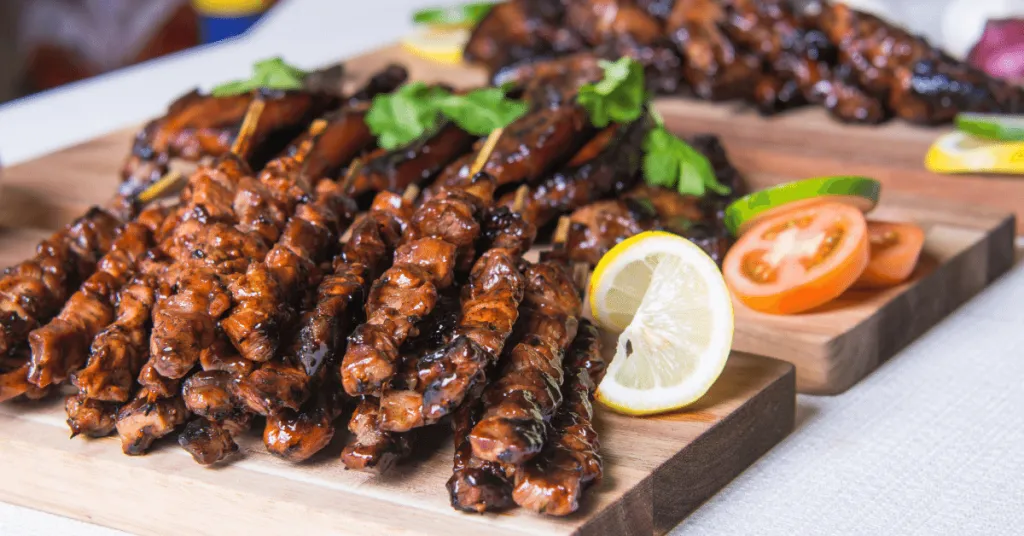
From smoky street corners in Malate to packed dining spots in Poblacion and Kapitolyo, barbecue is everywhere. Whether it’s a familiar skewer brushed with sweet sauce or a sizzling grill loaded with pork belly and side dishes, eating barbecue in the Philippines has become more than just a meal. It is a social ritual, a comfort food, and often the highlight of a night out.
As Korean pop culture continues to shape dining habits in the country, Korean BBQ has firmly earned its place alongside Filipino BBQ. What was once a niche dining experience is now a go to choice for celebrations, casual catch ups, and food crawls. But with both styles widely available and equally loved, the question naturally comes up. Does Korean BBQ truly outshine Filipino BBQ, or does the local classic still hold its ground when it comes to taste, value, and overall experience?
Also read: The Dos and Don’ts of Eating At An Authentic Korean BBQ Restaurant
1. Price and accessibility
Filipino: On average, Filipino BBQ prices per stick range from ₱5 (the cost of chicken or pork intestines) to ₱25 (the cost of the usual marinated pork). As a typical Filipino snack and dish, BBQ is available in nearly every neighbourhood in the Philippines. Some BBQ stands even tend to be just a few metres from one another. It’s also easily found in eateries and authentic Filipino restaurants anywhere in the province or in key cities in the country. The more rural, oftentimes, the more authentic the taste will usually be.
Korean: Korean BBQ prices are often fixed at ₱500 for a buffet setup. A la carte, they can go as low as ₱200. The price already includes rice, side dishes, and comfortable, private seating in an air-conditioned establishment, which are more likely found in busier destinations than rural areas. A lot of the time, one would find Korean BBQ restaurants in Korean hotspots, such as Manila, Baguio, and Cebu. Unlike Filipino BBQ places, the more popular the city, the better it tends to taste due to the availability of resources.
Winner: Filipino
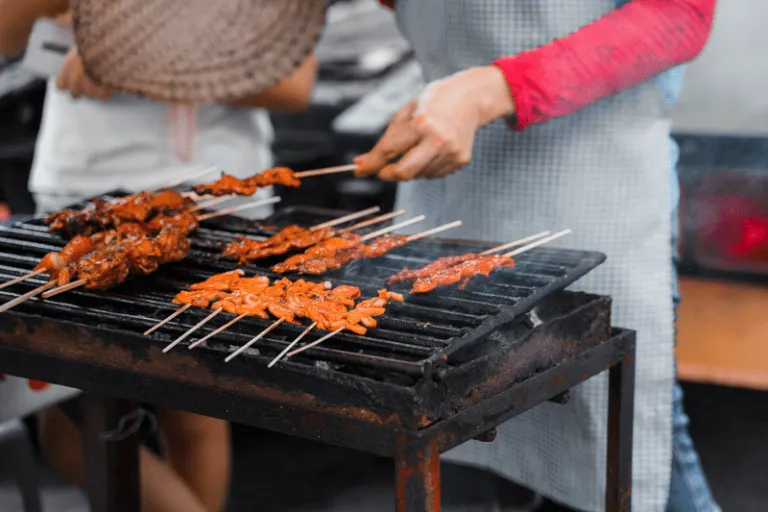 Image credit: The Aden Manalo Collection via Canva Pro
2. Convenience in preparation
Filipino: Cutting and marinating pork, which is the staple form of Filipino BBQ, takes about three hours to several hours overnight to marinate. Grilling takes as fast as 15 minutes. That seems like a lot of time, as most Filipinos usually just order them at their convenience. In reality, this is the standard way of giving the meat the best flavours possible. The upside is that once the meat is ready, there’s only the rice and sauce to think of. Everything’s all set once the preferred tenderness of the meat is achieved.
Korean: Like Filipino BBQ, preparations for Korean BBQ ideally start a day before the actual grilling and eating begin. During this period, the meat slices are soaked in a pre-made marinade and the sauces are concocted. Side dishes, or banchan, are bought and stored for the next day’s use. The setup starts from pre-arranging the grill, plates, banchan, and sauces. It ends with disassembling, as everything doesn’t stop until the last meat or dish is finished. On the other hand, eating at a Korean BBQ restaurant significantly cuts the time to as little as an hour. Some restaurants also offer the option of having a staff member do the cooking for you.
Winner: Filipino
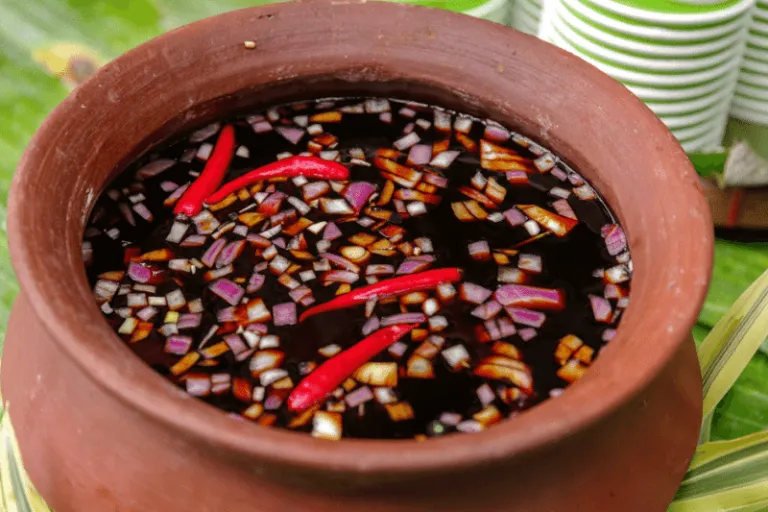 Image credit: bugking88 via Canva Pro
3. Serving inclusions
Filipino: A standard Filipino BBQ is best eaten on its own. Oftentimes, it’s just the meat and two to three sauce options: sweet, sour, or spicy. For bigger meals and gatherings, they may be served with bread or rice. Some, especially those used to Korean BBQ, may think of this as too plain, but it isn’t. Filipino BBQ, no matter the type of meat or part, is good enough as it is because of its sweet and savoury marinade. This is one of the many thrills of eating this staple Filipino food.
Korean: On the other hand, Korean BBQ comes with many variations of meat, sauces, and side dishes. Aside from pork and beef, some restaurants now offer vegan alternatives as well. For sauces, there’s savoury oil, chili, sweet and sour, cheese, and more depending on which Korean restaurant you go to or Korean shop you order from. For sides, there’s potatoes, eggs, rice, greens, coleslaw, noodles, kimchi, fish cakes, and so much more. While Filipino BBQ sauces and side dishes are optional, with Korean BBQ, everything is as important as the meat itself. In other words, there’s never a dull moment when opting for this Korean method of grilling.
Winner: Korean
 Image credit: ijs
4. Presentation
Filipino: It depends on where you eat it. For Filipino BBQ sold on the streets, there’s not much to expect when it comes to presentation. They could be piled under a glass counter, inside a chafing dish, or on a large banana tree leaf. As long as customers can see them, they’re good to go. If you’re lucky, those offered in big restaurants will come in a saucer along with a separately plated dipping sauce. They may or may not come with a garnish. Eating at home, on the other hand, offers flexibility where Filipinos can enjoy them in a boodle, campfire, or even alone.
Korean: Presentation is key to eating Korean BBQ. Each type of dish, from meat to vegetables, often has a designated container where diners can easily find and get them at their convenience. One can also see how the colours marry with one another, and it’s usually a pretty satisfying sight. Upon eating, some unwritten rules have to be followed. Among them are who gets to grill and how much banchan you should have per serving. When not observed, it can get pretty chaotic. Otherwise, it’s a perfect bonding experience for families and friends when everyone gets to bond over the course of eating Korean BBQ.
Winner: Korean
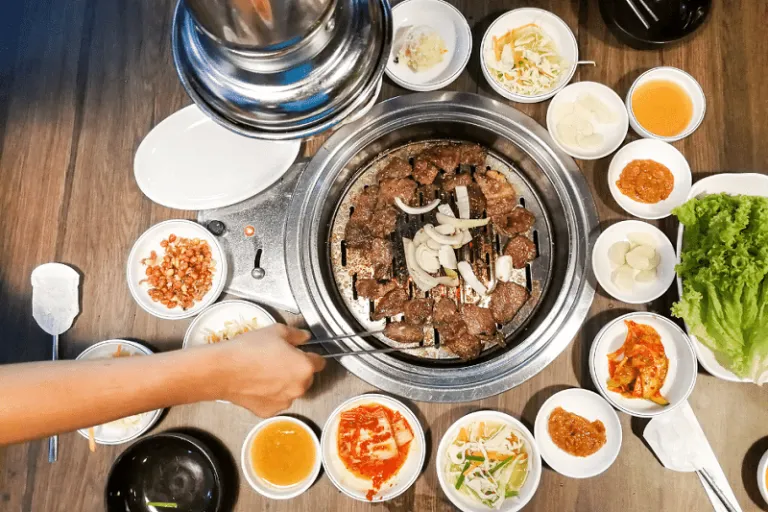 Image credit: ThamKC via Canva Pro
5. Safety and hygiene
Filipino: The stereotypical way to eat Filipino BBQ is on the streets. It’s how a lot of Filipinos grew up eating it and the experience only gets more nostalgic as the years go by. However, the fact that these skewered dishes are often exposed to open air puts the safety in eating them in question. Not to mention, customers have little knowledge as to how Filipino BBQ is prepared, from selecting the meat and other ingredients to cleaning the grilling equipment.
Korean: In contrast, Korean BBQ is often enjoyed indoors, with all the ingredients and materials undergoing thorough inspection and safety procedures. As a customer, one has control over cooking; and when done at home, the preparations involved, thereby ensuring safety and hygiene at all times. However, diners who tend to forget to change the grill regularly and over- or undercook the ingredients could face some unflattering consequences. But with proper care, these are certainly avoidable. While Korean BBQ restaurants are exhaust pipe-equipped, the lack of natural ventilation poses serious health threats.
Winner: Korean
 Image credit: TAO EDGE via Canva Pro
6. Taste and consistency
Filipino: Filipino BBQ doesn’t rely a lot on post-grill seasoning as much as it does on efficiently marinating the ingredients. Involving soy sauce, ketchup, vinegar (also lemon or calamansi), garlic, and brown sugar, Filipino BBQ marinade is responsible for the unmistakable sweet taste locals have associated this street food with. Not even coating it with sauces can conceal such a flavour. That being said, the taste of Filipino BBQ doesn’t really change, so eating a lot of it in one sitting tends not to be as enjoyable as having just a few skewers at a time.
Korean: On the other hand, Korean BBQ is all about variety. Diners can choose from different cuts with varied flavours, whether it’s natural (plain pork belly or what’s universally known as samgyeopsal), pork chop, beef short ribs, beef tenderloin, and even boneless chicken. Of course, there’s a whole lot more depending on the store you choose. On top of the meat, again, there are sauces and side dishes that enhance one’s Korean BBQ dining experience. With each meal, diners have the option of making their serving as different or similar as the next one as much as they want!
Winner: Korean
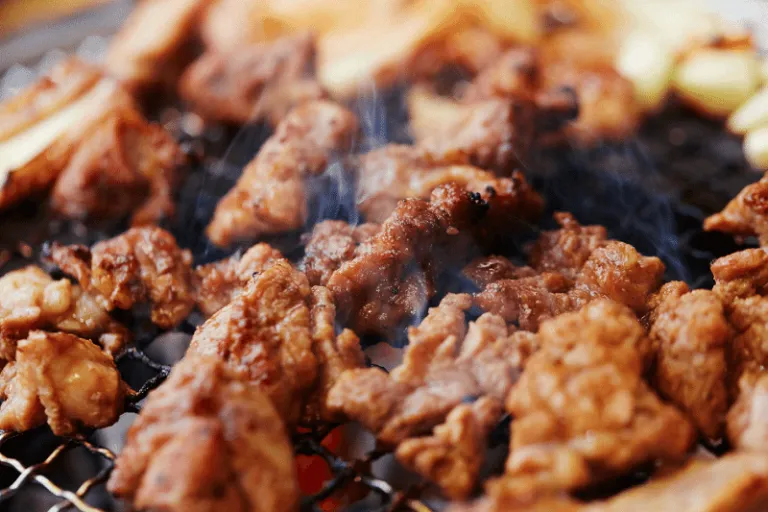 Image credit: ma-no via Canva Pro
Also read: 8 Easy Korean Recipes for Your Next K-Drama Night
The verdict on Filipino versus Korean BBQ
In the end, the Filipino versus Korean BBQ debate does not come down to which one is better in absolute terms, but which experience you are looking for. Filipino BBQ shines in its simplicity, affordability, and emotional pull. It is easy to access, deeply familiar, and tied to everyday moments that feel uniquely local. Korean BBQ, meanwhile, stands out for its variety, interactive dining style, and polished setup, offering a more curated experience from start to finish.
Both styles reflect different food cultures and different ways of gathering around a meal. One is quick, casual, and rooted in tradition. The other is immersive, communal, and designed to be savoured over time. Whether you are grabbing a few skewers on the street or settling in for a long grill session with friends, Filipino and Korean BBQ each bring something special to the table, and both deserve a spot on any food lover’s must try list.
Featured image credit: Richard Ernest Yap via Canva Pro
Published at
About Author
Joser Ferreras
Joser is a senior writer for TripZilla based in Manila, Philippines. He mostly covers travel, people, and business.
Subscribe our Newsletter
Get our weekly tips and travel news!
Recommended Articles
10 Proudly Filipino Christmas Gift Ideas 7 Places in Metro Manila for Your Last Minute Christmas Shopping No gift? Don’t hit that panic button yet. Head to these shopping destinations for awesome finds and great deals.
10 Unique Themed Cafes in Metro Manila Worth Checking Out Level up your cafe experience in Manila by chilling out at these unique themed cafes.
13 Unique Themed Cafes You Never Knew Existed in Metro Cebu Bring your cafe experience to a whole new level with these unique themed cafes in Metro Cebu!
12 Unique Restaurants in Quezon Province Worth Hitting Up Where to eat in Quezon Province? Here are 12 unique restaurants to choose from.
Latest Articles
BTS’ Agency BIGHIT MUSIC Opens Global Audition: Can Filipinos Apply? Filipinos can audition
Philippines Holidays 2027: Complete List And Long Weekends 2027 holiday dates
US To Test New System That Could Help Reduce Flight Delays New flight delay system
National Cinema Day 2026: ₱100 Movie Tickets On 12 September Watch movies for ₱100
Hot Wheels Designer Brendon Vetuskey Meets Filipino Collectors at Kingsford Hotel Manila Hot Wheels collector gathering