
Cheers to a whopping number of 20 holidays and 13 long weekends in the Philippines! Filipinos have all reasons to rejoice this 2015 as well! Feeling the vacation vibe? Plan your getaways now!

House Panel Approves Bill to Remove Travel Tax for Filipinos

We all know the feeling of standing in the airport line, coffee in one hand and passport in the other, only to remember that extra ₱1,620 you have to pay just to leave the country. For a family of four, that is over ₱6,000 gone before you even board the plane. That burden might soon be a thing of the past.
House of Representatives Committee on Tourism officially approved a bill on Monday, February 23, that aims to abolish the travel tax for Filipino travelers. Lawmakers in this lower chamber of Congress are pushing the move to help ordinary passengers save money and make our travel industry more competitive with our neighbors in Southeast Asia.
How much can you save with the Travel Tax Abolition Act of 2026?
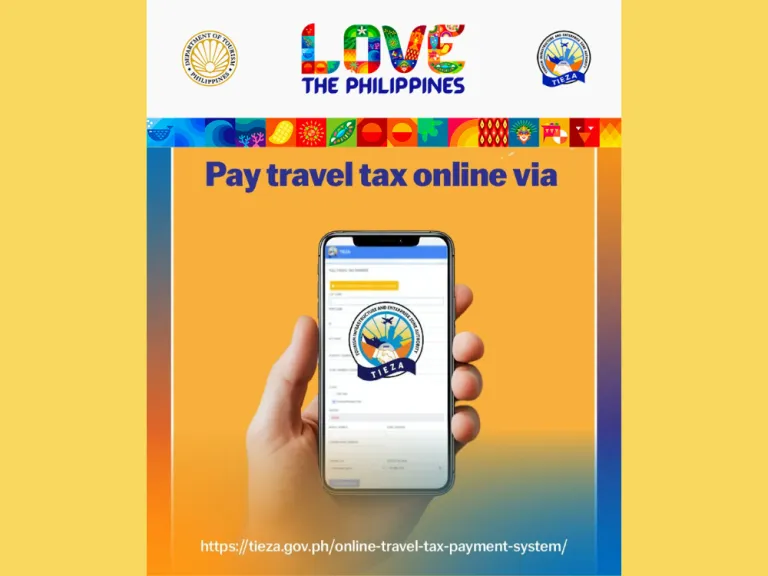
Image credit: TIEZA | Pasay City
Right now, the law requires almost everyone flying out of the Philippines to pay a set fee. If this bill passes both the House and the Senate to become law, the following charges would be scrapped:
₱1,620 for economy class passengers.
₱2,700 for those flying first class.
The goal is to stop treating international travel as a luxury for the rich. President Ferdinand Marcos Jr. has already asked the House of Representatives to make this a priority, noting that many Filipinos fly abroad for work or family emergencies, not just for holidays.
Also read: No More Travel Tax? New Senate Bills Push to Scrap ₱1,620 Fee for Economy Passengers
Why the House of Representatives is leading the travel tax reform

Image credit: Canva Pro
Under the Philippine Constitution, any bill that deals with taxes or revenue must start in the House of Representatives. This is why the "House panel" (the Committee on Tourism) is the first to give the green light. Once the full House of Representatives approves the bill on its third reading, it will then be sent to the Senate for another round of reviews.
Currently, your travel tax is split between tourism infrastructure (50%), higher education (40%), and culture and arts (10%). While the Department of Tourism has raised concerns about losing this money, the new bill proposes a different solution.
Instead of taking it from your pocket at the airport, the government plans to fund these agencies through the national budget (General Appropriations Act). This ensures that programs for tourism and scholarships continue without making airfare more expensive for the average Pinoy.
Also read: What the Philippine Travel Tax Is and Why It Raises Eyebrows
What are the next steps for the travel tax bill?

Image credit: Tourism Infrastructure and Enterprise Zone Authority (TIEZA)
This approval from the House panel is a major step, but the bill still has several hurdles to clear:
House Plenary. The bill needs to be voted on by all members of the House of Representatives.
The Senate. A counterpart bill must be passed by the Senators.
Presidential Signature. President Marcos hopes to sign the final law before the June 2026 adjournment.
For now, travelers still need to pay the usual fees at the airport or online. We are monitoring the situation closely as it moves to the next stage of the legislative process.
More details to follow as the story develops.
Published at
About Author
Wynona Purl
Wynona Purl is a pop-culture junkie, writer, and editor from the Philippines. She runs an indie style & culture magazine called Modamorph that features artists from the underground scene. A certified chatterbox who loves cats, anything ube, and always has guts and curiosity. For her, life’s fortune always favours the bold. She hopes to see more of the world someday and turn those travels into stories.
Subscribe our Newsletter
Get our weekly tips and travel news!
Recommended Articles
13 Long Weekends in the Philippines in 2015 5 Easy Weekend Destinations Outside Manila, Philippines There are many other beautiful places in the Philippines outside its capital, but these 5 destinations will let you enjoy weekend trips with great ease.
The Philippine Bucket List: 20 Challenges Every Filipino Traveller Must Complete Call yourself a true blue Filipino traveller if you’ve completed this Philippine Bucket List.
18 Comments Every Filipino Traveller Has Dealt With Abroad Every Filipino traveller has encountered these reactions and comments abroad. Stunning beaches? Hospitable people? Wait, you eat developing duck embryos?
10 Family Outing Ideas in Metro Manila Under ₱500 Looking for a weekend bonding with the family under ₱500? Head to these places, pronto!
Latest Articles
Taiwan Is Paying Tourists Up to NT$8,000 to Visit — Here’s How You Can Get It Here’s how Filipino travellers can qualify, plus visa-free entry and KKday savings
Filipinos Can Now Fly To Europe Via Istanbul New Europe flight route
Philippines Tourism Slogan: What Is ‘Love the Philippines’? Senators discuss tourism branding
Thailand Jet Ski Rider Arrested After Viral Bangkok Flood Video Bangkok jet ski rider arrested
Damaged Philippine Passport? What To Do Passport damage and replacement