
Cheers to a whopping number of 20 holidays and 13 long weekends in the Philippines! Filipinos have all reasons to rejoice this 2015 as well! Feeling the vacation vibe? Plan your getaways now!

Where Does Your P1,620 Actually Go? The Real Breakdown of the Philippine Travel Tax
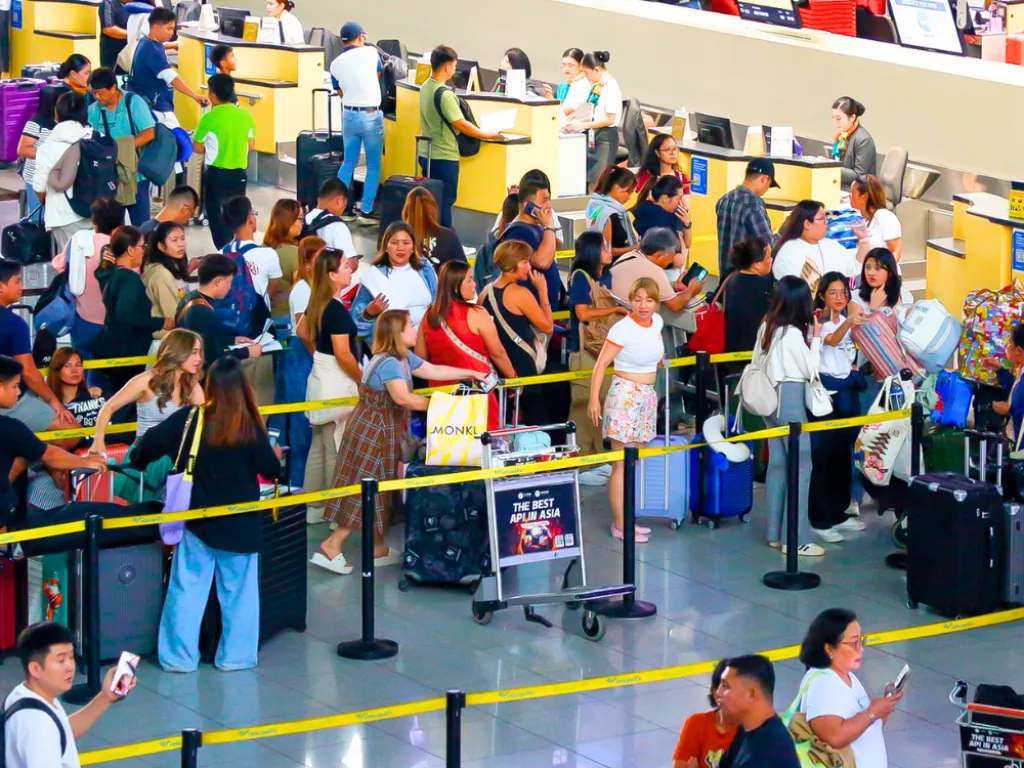
For most Filipinos, an international trip comes with a mandatory P1,620 travel tax for economy passengers. While there is recent talk in the Senate about removing this extra fee for those on a budget, the Department of Tourism (DOT) says the money is currently used to fund projects across the country.
Breakdown of the 50-40-10 travel tax allocation
Image credit: Canva Pro
Tourism Secretary Christina Frasco recently spoke about how these collections are spent during a forum in Cebu. She explained that the tax provides tangible benefits for the public rather than being a fee with no purpose. Currently, the money is split into three specific areas:
Tourism infrastructure (50%). Half of your payment goes to the Tourism Infrastructure and Enterprise Zone Authority (TIEZA). This funds local projects like the building of tourist rest areas, information centres, jetty ports, and boardwalks in various provinces.
Higher education (40%). A large portion is handed to the Commission on Higher Education (CHED). This money is used specifically for tourism-related educational programs and courses to train the next generation of hospitality workers.
Heritage preservation (10%). The remaining bit goes to heritage agencies to help the government maintain cultural and historical sites.
Also read: What the Philippine Travel Tax Is and Why It Raises Eyebrows
Senate updates on travel tax exemptions for economy passengers
Senator Raffy Tulfo has raised the idea of removing this requirement for economy class passengers to help ease the financial burden on regular travellers. At the moment, the rates are set at P2,700 for first-class passengers and P1,620 for those in economy.
While the DOT recognises that the final decision rests with lawmakers, they are hopeful that the funding for infrastructure stays secure. They argue that these fees allow the government to build facilities in every corner of the Philippines, helping local government units grow their own tourism spots. Without this tax, projects like provincial boardwalks and visitor centres might lose their primary source of funding.
Also read: No More Travel Tax? New Senate Bills Push to Scrap ₱1,620 Fee for Economy Passengers
Current Philippine travel tax rates and payment rules
The travel tax is a mandatory fee for individuals leaving the Philippines. It applies regardless of where you bought your ticket or how you chose to pay for it. This is governed by a long-standing law known as Presidential Decree 1183. For families or frequent travellers, this extra cost can become quite significant, especially when added to the price of a standard airfare. For example, a family of four must set aside an extra P6,480 just to clear this requirement.
While we wait to see if lawmakers will eventually scrap this fee for economy flyers, it is important to remember that this P1,620 is a separate extra cost from your airline ticket. For now, it is best to check if your airline has already included the tax in your booking. If they have not, you can pay it at the terminal or online via the TIEZA website or the eGov PH app to avoid any last-minute stress at the airport.
Image credit: Manila International Airport Authority
Published at
About Author
Wynona Purl
Wynona Purl is a pop-culture junkie, writer, and editor from the Philippines. She runs an indie style & culture magazine called Modamorph that features artists from the underground scene. A certified chatterbox who loves cats, anything ube, and always has guts and curiosity. For her, life’s fortune always favours the bold. She hopes to see more of the world someday and turn those travels into stories.
Subscribe our Newsletter
Get our weekly tips and travel news!
Recommended Articles
13 Long Weekends in the Philippines in 2015 The Philippine Bucket List: 20 Challenges Every Filipino Traveller Must Complete Call yourself a true blue Filipino traveller if you’ve completed this Philippine Bucket List.
18 Comments Every Filipino Traveller Has Dealt With Abroad Every Filipino traveller has encountered these reactions and comments abroad. Stunning beaches? Hospitable people? Wait, you eat developing duck embryos?
10 Family Outing Ideas in Metro Manila Under ₱500 Looking for a weekend bonding with the family under ₱500? Head to these places, pronto!
10 Countries Filipinos Probably Didn’t Know They Can Travel To Without Visa Filipinos rejoice! Your Philippine passport can take you to many countries you probably haven’t imagined travelling to without a visa.
Latest Articles
BTS’ Agency BIGHIT MUSIC Opens Global Audition: Can Filipinos Apply? Filipinos can audition
Philippines Holidays 2027: Complete List And Long Weekends 2027 holiday dates
US To Test New System That Could Help Reduce Flight Delays New flight delay system
National Cinema Day 2026: ₱100 Movie Tickets On 12 September Watch movies for ₱100
Hot Wheels Designer Brendon Vetuskey Meets Filipino Collectors at Kingsford Hotel Manila Hot Wheels collector gathering