
There are many other beautiful places in the Philippines outside its capital, but these 5 destinations will let you enjoy weekend trips with great ease.

Could You Start a Small Business in the Philippines? Retirees Who Did, and How They Thrive
After a lifetime of deadlines, retirement promises the freedom to do nothing. Yet for some foreigners retiring in the Philippines, the greater luxury is choosing work they genuinely enjoy, without the pressure to build a career all over again.
A modest venture can provide daily structure, generate supplementary income, and foster a natural connection with the community. It need not involve a storefront, employees, or an ambitious expansion. As three retirees from Dumaguete and Siargao discovered, the right project may simply begin with a familiar skill and the freedom to use it differently.
Growing a new retirement routine in Dumaguete
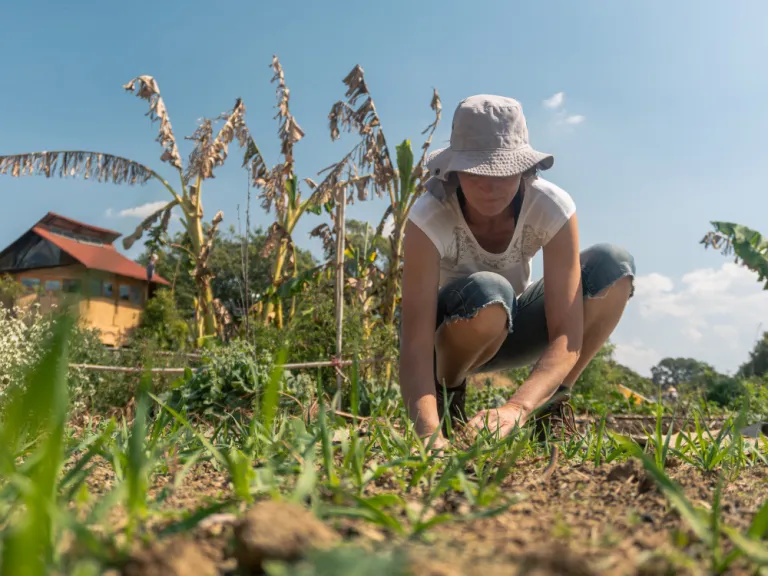 Image credit: nailotl | Canva Pro
David spent his career as a civil engineer, while Sarah taught high school biology in Manchester for nearly 30 years. Their working lives were highly structured and largely spent indoors, so they moved to Dumaguete in search of a slower pace, warmer weather, and a stronger sense of community.
For the first few months, they embraced complete downtime. However, it soon became clear that having nothing to do was not as satisfying as they had imagined.
“We realised quickly that having zero structure gets boring fast,” Sarah says. “We wanted a reason to wake up early, but without the headache of a full-time job.”
 Image credit: bugking88 from Getty Images | Canva Pro
The couple established a 1,000-square-metre garden plot where they grow their own food and stay active. They sell surplus vegetables to neighbours, exchange produce and seeds with local farmers, and supply small batches to a nearby carinderia.
There is no storefront, logo, or social media page. Everything moves through word of mouth, allowing David and Sarah to control how much they grow and how often they work. Their pension covers their basic living expenses, so the garden only needs to pay for seeds, soil, and tools.
The project has also helped them feel rooted in Dumaguete. For Sarah, swapping seeds and sharing vegetables changed their relationship with the neighbourhood. They no longer felt like foreigners passing through, but as people contributing to everyday community life.
Turning lifelong skills into flexible work in Siargao
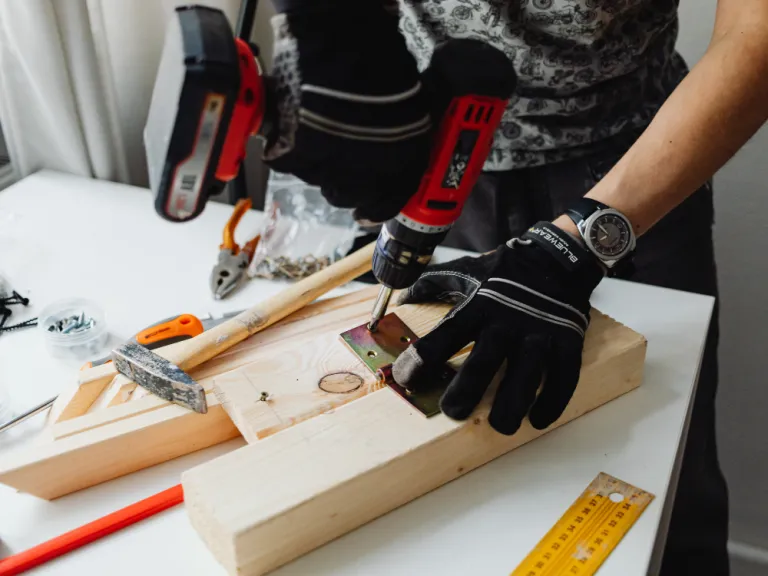 Image credit: Karola G from Pexels | Canva Pro
Before moving to Siargao, Marcus, from Vancouver, spent close to 40 years as a structural technician. Luckily, he found his retirement venture by returning to something he already knew well: repairing timber structures and solving practical construction problems.
Retirement gave him the outdoor lifestyle he wanted, but he still needed to keep his hands busy. Beneath the porch of his rented home, Marcus installed a modest workbench and began repairing wooden furniture for local guesthouses and restoring wooden surfboards.
The workshop operates entirely around his schedule. He does not employ staff, rent commercial premises, or maintain fixed opening hours. Jobs arrive through private referrals, and he accepts only the work he wants.
 Image credit: Stephen Green Price | Canva Pro
“If I want to go fishing or take off for three days, I just don’t take on work during those days,” he says. “That flexibility is the whole point.”
His pension meets his living costs, while repair work provides him extra money for meals and tools. Just as importantly, it gives Marcus a useful role in the community. Guesthouse owners approach him with broken furniture, while surfers bring him damaged boards. He can contribute his expertise without sacrificing the slower pace that brought him to Siargao.
Small business ideas for foreign retirees in the Philippines
 Image credit: Thái Trường Giang from Pexels, Alan from Emberscape Studio, rattanakun, JackF from Getty Images | Canva Pro
David, Sarah, and Marcus show that retirement ventures do not need to begin with an elaborate business plan. The most practical idea may already be part of a retiree’s professional background, hobby, or daily routine.
Someone who enjoys working outdoors could cultivate a small productive garden, using the harvest at home before sharing or selling any surplus locally. Retirees with technical experience might offer furniture, equipment, or gear repair services. Baking, teaching, and craftwork can also turn familiar abilities into useful services for the immediate community.
What matters is finding the right scale. A venture may lose its appeal if it demands employees, fixed hours, or constant marketing. Keeping the project local and referral-based can give retirees greater control over their workload.
Income may be part of the attraction, but it does not have to be the only measure of success. A small venture can also encourage activity, provide routine, and help a newcomer build genuine relationships with neighbours.
Finding purpose in retirement
 Image credit: Wavebreakmedia | Canva Pro
For foreigners imagining a more active retirement in the Philippines, the Philippine Retirement Authority (PRA) offers a natural starting point for exploring what their next chapter could look like.
Before choosing a venture, prospective retirees should consider how they want to spend an ordinary day. Some may prefer outdoor work and regular interaction with neighbours. Others may want a quiet, skills-based project that leaves plenty of room for rest, travel, or time by the water.
Sarah advises retirees to keep any project manageable and choose something that brings movement, connection, and enjoyment without becoming exhausted. Marcus takes a similar view: begin with a skill you already possess and keep the operation as simple as possible.
Their experiences suggest that retirement in the Philippines can be more than an extended holiday. It can become an active chapter shaped by personal interests, useful work, and stronger community ties.
The most rewarding retirement venture may not be the one that grows fastest. It may simply be the one that gives each day purpose while leaving enough time to enjoy the Philippines as their new home.
Note: The people featured in this article are identified by their first names or aliases to protect their privacy.
Published at
About Author
Wynona Purl
Wynona Purl is a pop-culture junkie, writer, and editor from the Philippines. She runs an indie style & culture magazine called Modamorph that features artists from the underground scene. A certified chatterbox who loves cats, anything ube, and always has guts and curiosity. For her, life’s fortune always favours the bold. She hopes to see more of the world someday and turn those travels into stories.
Subscribe our Newsletter
Get our weekly tips and travel news!
Recommended Articles
5 Easy Weekend Destinations Outside Manila, Philippines 9 Long Weekends in the Philippines in 2016 It’s definitely more fun in the Philippines in 2016 as there will be 9 long weekends with 4 days leave! Plan your getaways with our cheatsheet & calendar.
7 Long Weekend Getaway Destinations in the Philippines With so many long weekends in the Philippines, weekend getaways are in order. Instead of travelling abroad, explore local destinations instead.
The Philippine Bucket List: 20 Challenges Every Filipino Traveller Must Complete Call yourself a true blue Filipino traveller if you’ve completed this Philippine Bucket List.
20 Signs You Were Born and Raised in The Philippines You use your lips to give directions, and dip bread in coffee.
Latest Articles
Filipinos Can Now Fly To Europe Via Istanbul New Europe flight route
Philippines Tourism Slogan: What Is ‘Love the Philippines’? Senators discuss tourism branding
Thailand Jet Ski Rider Arrested After Viral Bangkok Flood Video Bangkok jet ski rider arrested
Damaged Philippine Passport? What To Do Passport damage and replacement
BTS’ Agency BIGHIT MUSIC Opens Global Audition: Can Filipinos Apply? Filipinos can audition