
This Christmas, give your loved ones these Filipino-made gift items.

Young Koreans Are Using Fake Shopping Apps to Cope With Stress, Would You Try It?
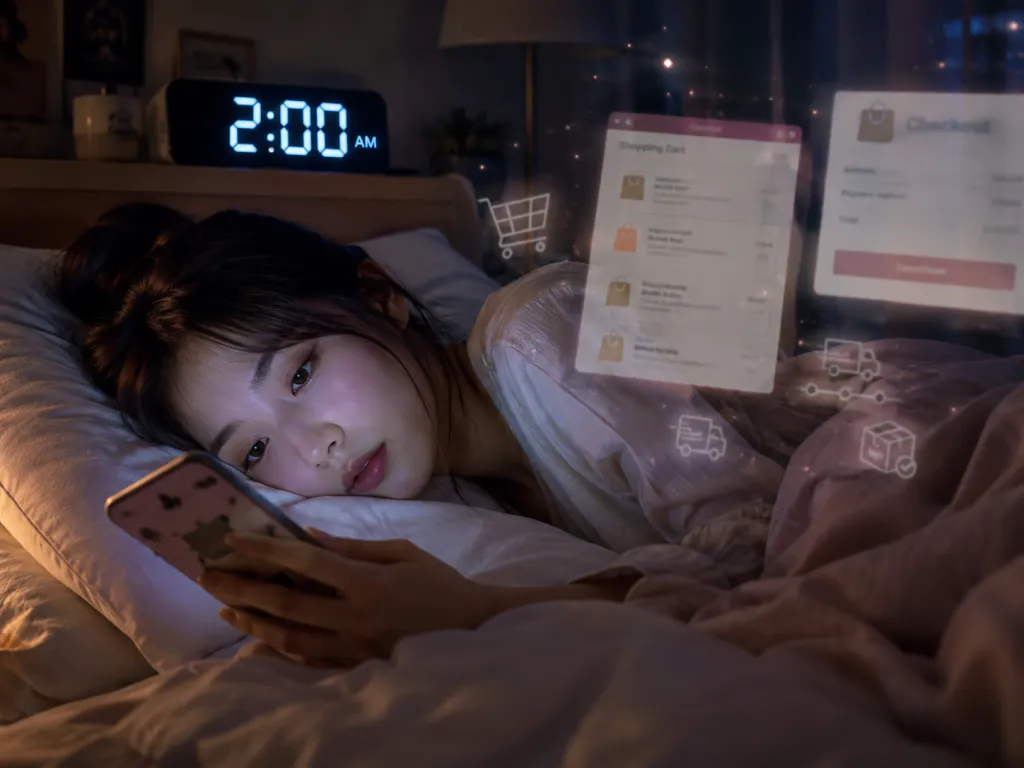
What if you could experience the excitement of online shopping without spending a single won?
A growing digital trend in South Korea is capturing attention online as young people turn to what are often called dopamine sites. These are fake shopping apps and food delivery simulations that recreate the experience of making a purchase, but without any real transaction taking place.
At first glance, the concept sounds unusual. Users can browse products, fill up shopping carts, proceed to checkout pages, and even watch delivery trackers that move across the screen. Everything feels familiar, yet nothing is actually bought or delivered.
While it may look like a quirky internet habit, the trend is increasingly seen as a reflection of how many young Koreans are dealing with stress, burnout, and financial pressure in everyday life.
Also read: Weird Travel Rules in Korea That Tourists Need to Know
What are dopamine sites?
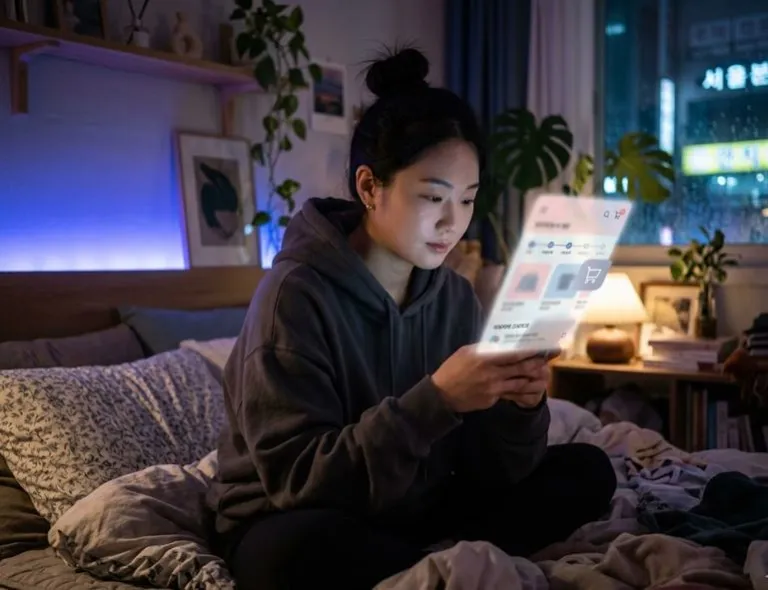
Dopamine sites are web based simulations designed to recreate the emotional experience of online shopping, ordering food, or completing small everyday transactions that usually bring a sense of reward.
Most of these platforms are not real apps or services. Instead, they are mock up websites that copy the look and flow of popular ecommerce and food delivery platforms in South Korea.
These fake interfaces often include product listings, shopping cart systems, checkout pages, and even animated delivery tracking screens. Some are designed to look very similar to well known apps, while others are simpler simulations that focus purely on the browsing and selection experience.
The key difference is that no money is processed, no orders are placed, and nothing is ever delivered.
For many users, this is exactly the point. It allows them to experience the familiar rhythm of choosing, clicking, and checking out without the financial consequences.
One office worker in his twenties shared that he often uses a fake food delivery style site late at night. He scrolls through menus, selects meals, fills a virtual cart, and completes a mock checkout process before closing the page. Although no food arrives, he described it as a way to unwind after a long day.
Why young Koreans are turning to fake shopping apps
The rise of dopamine sites is closely linked to wider economic and social pressures facing younger generations in South Korea.
Many young adults are navigating rising housing costs, increasing daily expenses, job uncertainty, and concerns about long term financial stability. In this environment, even small treats or impulse purchases can feel like a financial burden.
Fake shopping apps offer a simple alternative. They recreate the feeling of spending without affecting a person’s budget.
The act of browsing, selecting items, and reaching a checkout page can still trigger a sense of anticipation and satisfaction. For some users, this becomes a form of stress relief that is accessible at any time and completely free.
What appears to be a digital novelty is actually connected to a deeper emotional response to modern life. Online reactions to dopamine sites have been mixed.
Some people see them as a clever and harmless coping tool. Others view them as a more concerning sign of how financial pressure is shaping everyday behaviour.
Both perspectives highlight an important point. The technology behind these platforms is simple, but the reason behind their popularity is complex.
South Korea has long been a leader in digital innovation and online culture. From fast evolving social media trends to highly advanced mobile services, the country often sets the pace for new internet behaviours. Dopamine sites are another example of how digital spaces are being adapted to meet emotional needs in unexpected ways.
Also read: Best Time to Visit South Korea: A Season-by-Season Guide
What Filipinos and travellers can take from this South Korea trend
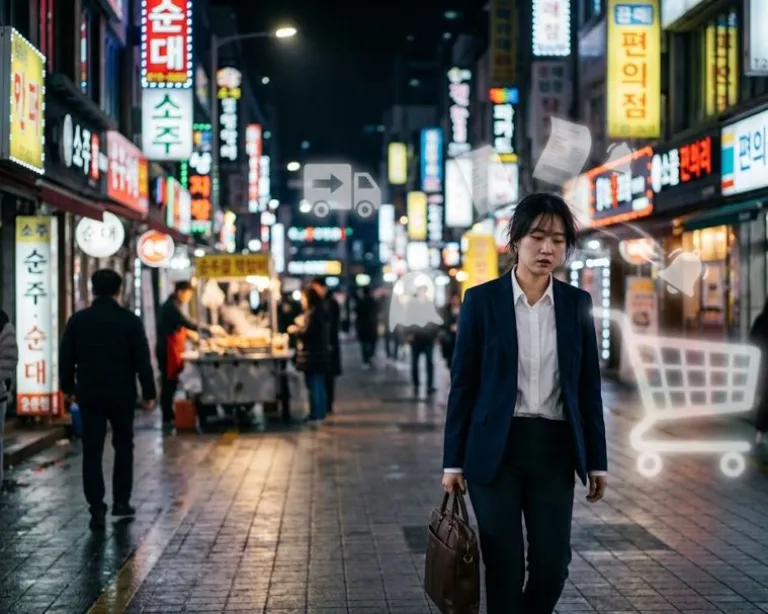
For Filipino readers and travellers interested in South Korea, this trend offers a different perspective beyond the usual travel highlights such as cafés, shopping districts, and K drama locations.
It shows a more everyday side of modern Korean life, where young people are balancing ambition, pressure, and the desire for small moments of comfort.
The idea of filling a shopping cart without spending money may sound unusual, but the feeling behind it is easy to understand. Many people today are looking for simple ways to unwind without adding financial stress.
Sometimes, the most interesting travel stories are not just about destinations. They are about how people live their daily lives and how culture adapts to modern challenges.
In the case of South Korea’s dopamine sites, a fake checkout page is revealing a very real emotional story.
Published at
About Author
Jeliefer Sumaya
just tryna be an author
Subscribe our Newsletter
Get our weekly tips and travel news!
Recommended Articles
10 Proudly Filipino Christmas Gift Ideas 7 Places in Metro Manila for Your Last Minute Christmas Shopping No gift? Don’t hit that panic button yet. Head to these shopping destinations for awesome finds and great deals.
10 Unique Themed Cafes in Metro Manila Worth Checking Out Level up your cafe experience in Manila by chilling out at these unique themed cafes.
13 Unique Themed Cafes You Never Knew Existed in Metro Cebu Bring your cafe experience to a whole new level with these unique themed cafes in Metro Cebu!
12 Unique Restaurants in Quezon Province Worth Hitting Up Where to eat in Quezon Province? Here are 12 unique restaurants to choose from.
Latest Articles
BTS’ Agency BIGHIT MUSIC Opens Global Audition: Can Filipinos Apply? Filipinos can audition
Philippines Holidays 2027: Complete List And Long Weekends 2027 holiday dates
US To Test New System That Could Help Reduce Flight Delays New flight delay system
National Cinema Day 2026: ₱100 Movie Tickets On 12 September Watch movies for ₱100
Hot Wheels Designer Brendon Vetuskey Meets Filipino Collectors at Kingsford Hotel Manila Hot Wheels collector gathering