
Cheers to a whopping number of 20 holidays and 13 long weekends in the Philippines! Filipinos have all reasons to rejoice this 2015 as well! Feeling the vacation vibe? Plan your getaways now!

8 Iconic Places in the Philippines Shaped by Japanese Engineering
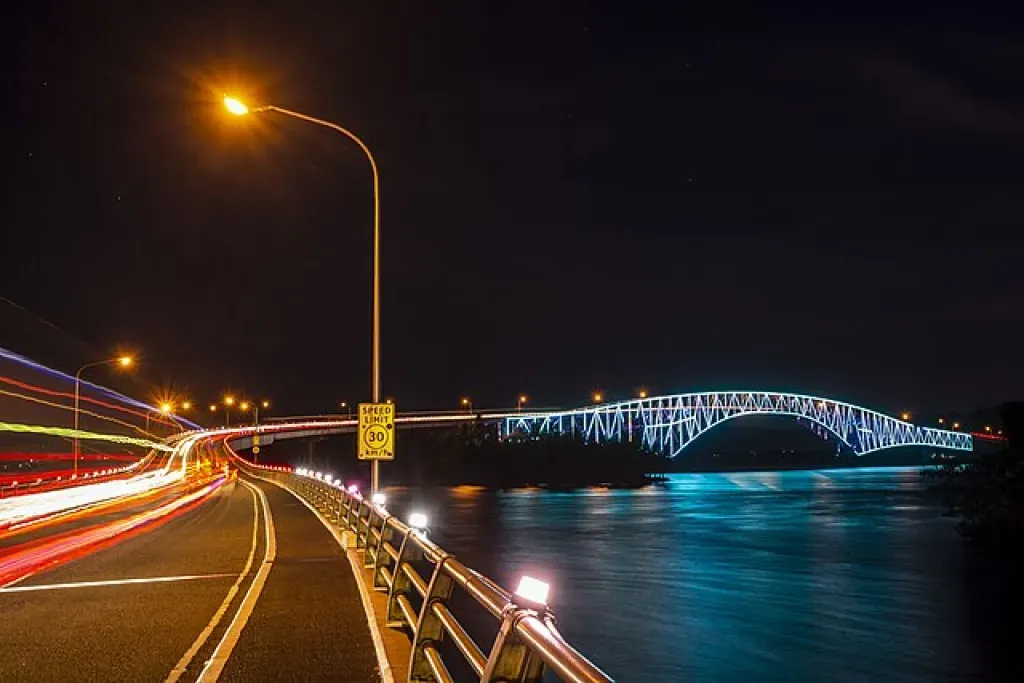
I don’t know about you, but I love taking photos in iconic landmarks when I travel. A bridge at sunset, a busy highway, or an airport before take off always ends up in my camera roll. Most of us pass through these places without thinking about the story behind them.
In the Philippines, many of these everyday routes are shaped by Japanese engineering support, funding, and long term cooperation that helped improve how the country moves.
Since the 1960s, Japan and the Philippines have worked together on major infrastructure projects through development loans, technical assistance, and partnerships often led by JICA. The goal was not just building structures, but improving connectivity across an archipelago made up of thousands of islands.
Before these developments, travel was very different. Island trips often relied on ferries affected by weather and schedules, while land travel between provinces took longer due to limited road networks and less direct routes.
Today, travel feels more connected and efficient. Here are eight iconic places that quietly help link the country and are often passed through without a second thought.
1. San Juanico Bridge
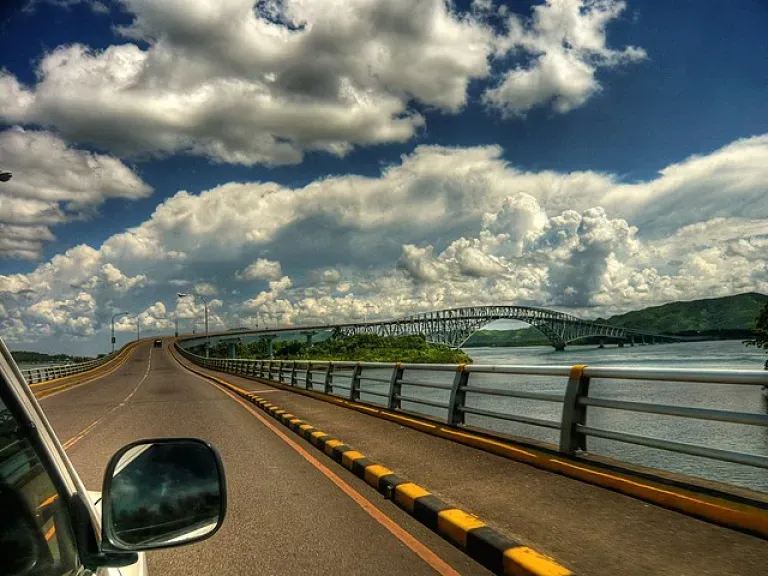
Image credit: Oscar Rasson | wikimedia commons
There is something almost surreal about crossing San Juanico Bridge. It stretches across the San Juanico Strait, connecting Samar and Leyte in a way that feels both simple and unforgettable. One moment you are on one island, and in just a few minutes, you are on another, with wide open water and sweeping views all around you. It is not just a bridge, it feels like a journey in itself.
Before it existed, travelling between Samar and Leyte was very different. People relied on ferries that were often affected by weather conditions, strong currents, and changing schedules. A simple trip could easily turn into a long wait, especially when the seas were rough. Movement between communities was possible, but not always reliable.
With support from the Japanese government, the bridge was completed in the early 1970s as part of efforts to improve regional connectivity in the Visayas. Today, it remains fully operational and continues to serve daily transport for people, goods, and tourism. It is also one of the most photographed bridges in the Philippines, often featured in travel posts and road trip stops.
2. Marcelo Fernan Bridge
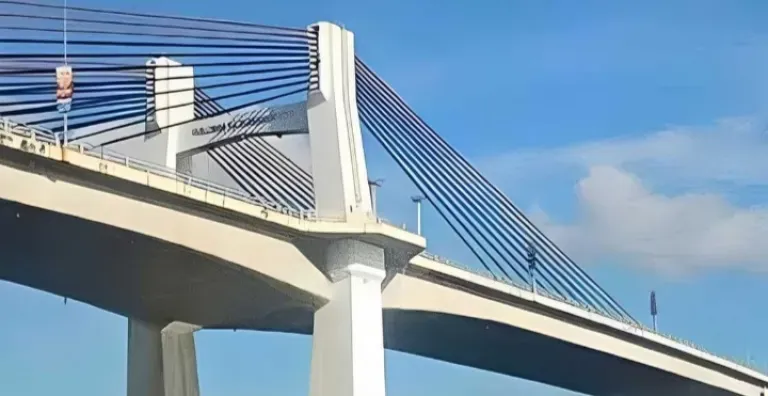
Image credit: Cebu ni bai | FB account
If you have been to Cebu, there is a high chance you have already crossed Marcelo Fernan Bridge without thinking much about it. It connects Cebu City and Mactan Island, where the airport, beaches, and major resort areas are located. For many travellers, this bridge is one of the first views they see after landing in Cebu.
Before additional bridges were built, crossing between the mainland and Mactan could become slow and congested, especially during peak travel seasons. As tourism and air traffic grew, the need for stronger transport links became even more important.
Completed in 1999 with Japanese development cooperation, the bridge helped improve traffic flow and accessibility between Cebu City and Mactan. Today, it remains a key route for commuters, travellers, and airport transfers.
3. Mactan Mandaue Bridge
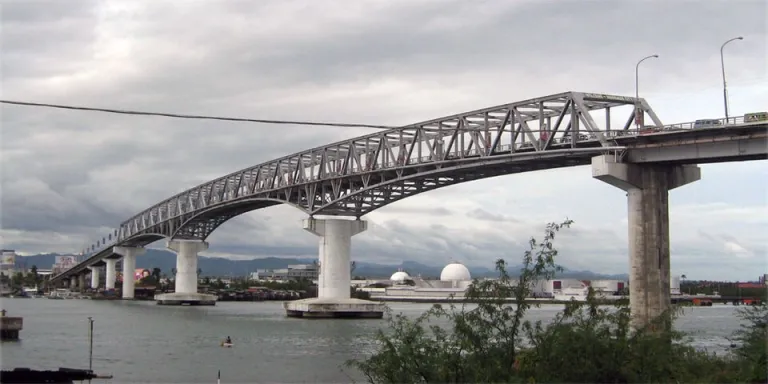
Image credit: Mike Gonzalez | wikimedia commons
Before bridges connected Cebu and Mactan, daily travel depended entirely on boats. That meant planning trips around schedules and weather conditions, which made movement less convenient for work, business, and tourism.
Built in the 1970s with Japanese-supported development, Mactan Mandaue Bridge became one of the first permanent road links between the two areas. It played a major role in opening up Mactan for growth, helping improve access to the airport and surrounding communities.
Even today, despite newer bridges in the area, it continues to carry daily traffic and remains an important part of Cebu’s transport network.
4. Macapagal Bridge
In Butuan City, the Agusan River once acted as a natural barrier that slowed down movement between communities. Crossing the river was part of everyday life, but it often meant relying on ferry crossings, which could be affected by weather and river conditions.
With the construction of Macapagal Bridge, travel across the river became faster, safer, and more efficient. Completed in the 2000s with Japanese engineering support, the bridge significantly improved mobility in the region.
Today, it continues to support daily commuting, local trade, and regional transport in the Caraga region, making it an important link for both residents and travellers.
5. NAIA Terminal 2
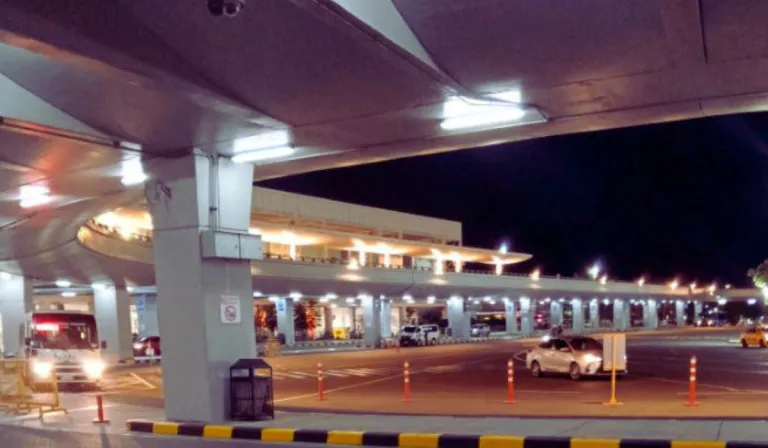
For many travellers, NAIA Terminal 2 is where journeys in and out of the Philippines begin and end. It handles both domestic and international flights, making it one of the country’s key aviation gateways.
Before its expansion and improvements, the airport often faced congestion as passenger numbers continued to grow year after year. This affected travel experience, especially during peak seasons.
Built with Japanese construction support, the terminal was designed to improve passenger flow and airport capacity. Today, it continues to serve millions of travellers annually, connecting the Philippines to destinations across the world.
6. Philippine Japan Friendship Highway
Before long national routes were fully connected, travelling across the Philippines meant dealing with fragmented roads and long detours between provinces. Moving from Luzon to Visayas or Mindanao was often time consuming and complex.
The Philippine Japan Friendship Highway, developed with Japanese assistance, helped change this by linking major regions into one continuous road network. It became a major step in improving land travel across the country.
Today, it remains an essential route for buses, cargo trucks, and long distance travellers moving between islands and regions.
7. Metro Manila Subway
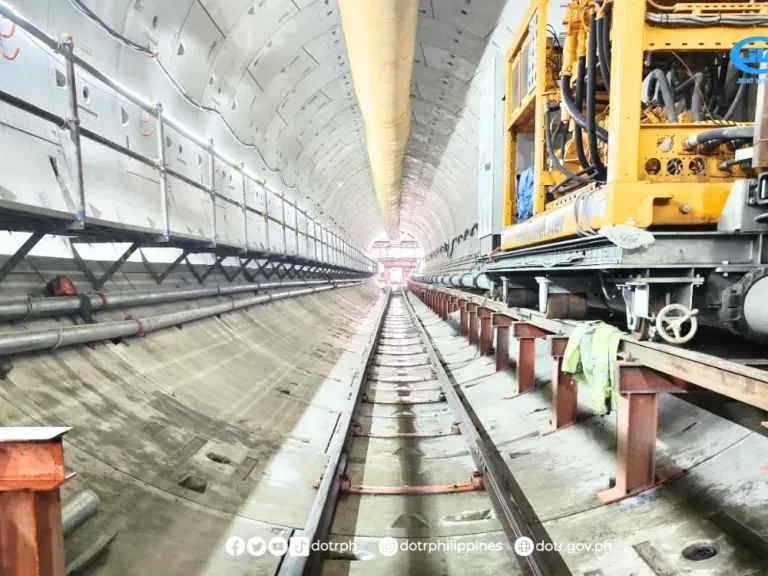
Image credit: Department of Transportation - DOTr Facebook Page
Metro Manila traffic has long been one of the biggest challenges for commuters. Long travel times and heavy congestion have become part of daily life for many people in the capital.
The upcoming Metro Manila Subway, supported by Japanese funding and rail technology, is designed to address these issues by creating a faster underground rail system.
Once completed, it will connect major business districts, residential areas, and transport hubs, offering a more efficient way to move across the city.
8. Davao City Bypass Tunnel
In Davao, travelling between key areas often means passing through busy city roads, even for longer regional trips. This can add time and congestion to everyday movement.
The Davao City Bypass Tunnel, still under construction with Japanese engineering support, aims to provide a faster alternative by passing through mountainous terrain.
Once completed, it is expected to improve traffic flow and make travel more efficient across key routes in Mindanao.
Why these connections matter for travellers
It is easy to pass through bridges, airports, and highways without thinking about what they connect. But these places show how the Philippines is shaped by more than destinations.
They are part of a larger system that connects people, places, and experiences.
From San Juanico Bridge to the upcoming Metro Manila Subway, Japanese engineering has helped shape some of the country’s most important connections.
Once you notice it, even everyday routes start to feel more meaningful.
Published at
About Author
Jeliefer Sumaya
just tryna be an author
Subscribe our Newsletter
Get our weekly tips and travel news!
Recommended Articles
13 Long Weekends in the Philippines in 2015 5 Easy Weekend Destinations Outside Manila, Philippines There are many other beautiful places in the Philippines outside its capital, but these 5 destinations will let you enjoy weekend trips with great ease.
7 Long Weekend Getaway Destinations in the Philippines With so many long weekends in the Philippines, weekend getaways are in order. Instead of travelling abroad, explore local destinations instead.
The Philippine Bucket List: 20 Challenges Every Filipino Traveller Must Complete Call yourself a true blue Filipino traveller if you’ve completed this Philippine Bucket List.
18 Comments Every Filipino Traveller Has Dealt With Abroad Every Filipino traveller has encountered these reactions and comments abroad. Stunning beaches? Hospitable people? Wait, you eat developing duck embryos?
Latest Articles
Philippines Holidays 2027: Complete List And Long Weekends Slug: 2027 holiday dates
US To Test New System That Could Help Reduce Flight Delays New flight delay system
National Cinema Day 2026: ₱100 Movie Tickets On 12 September Watch movies for ₱100
Hot Wheels Designer Brendon Vetuskey Meets Filipino Collectors at Kingsford Hotel Manila Hot Wheels collector gathering
Where to Stay for Your Next Domestic Getaway Hotel picks for local trips