
Cheers to a whopping number of 20 holidays and 13 long weekends in the Philippines! Filipinos have all reasons to rejoice this 2015 as well! Feeling the vacation vibe? Plan your getaways now!

Bioluminescence In The Philippines: Best Places To See Glowing Waters And Fireflies
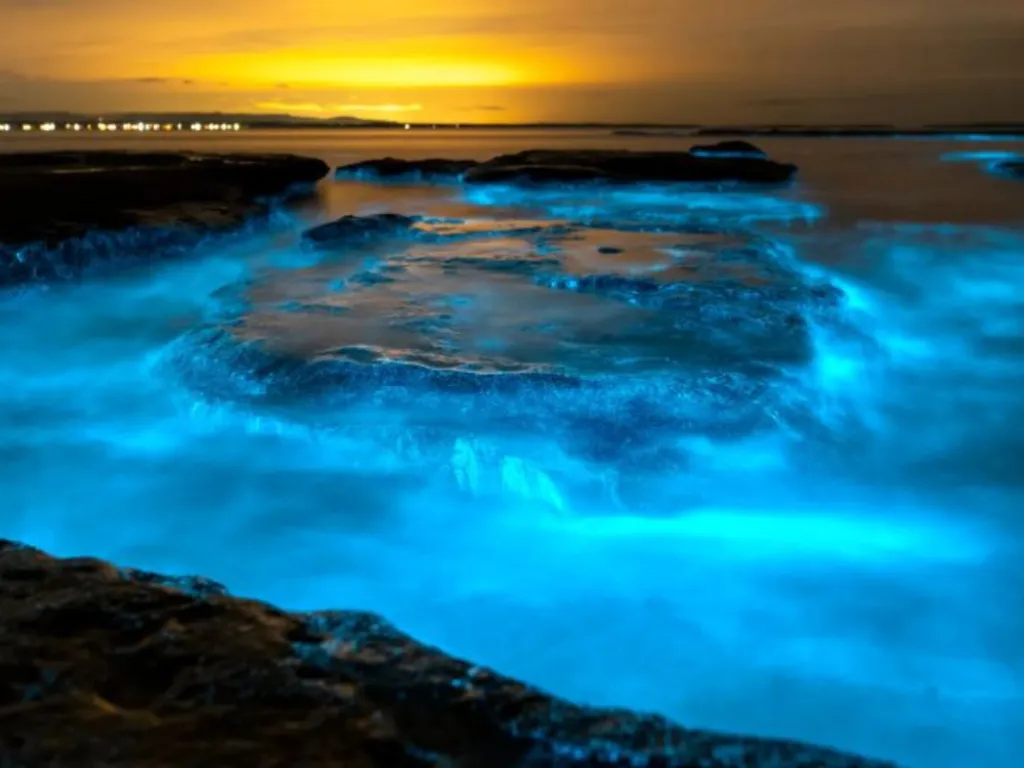
There is something almost unreal about watching water glow when it is touched or seeing mangrove forests light up at night. In the Philippines, bioluminescence exists, but it is not something you can easily find everywhere. It is rare, natural, and often unpredictable, which makes the experience even more special when it appears.
If you are planning a trip to see bioluminescence in the Philippines, this guide explains where to go, what you can realistically expect, and how to increase your chances of seeing it.
What is bioluminescence
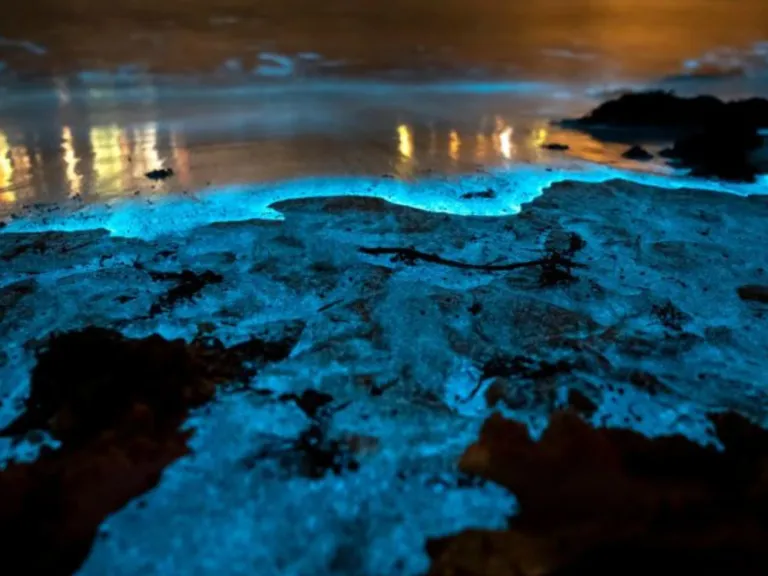
Image credit: RugliG | Canva Pro
Bioluminescence is a natural light produced by tiny organisms in the sea called plankton. When these organisms are disturbed by movement such as paddling in water or even touching it, they produce a soft blue glow.
In the Philippines, there are two main ways to experience this natural phenomenon. One is glowing plankton in seawater or mangroves. The other is fireflies lighting up trees and riverbanks at night.
Fireflies are more reliable to see. Ocean plankton is more magical but harder to predict.
Puerto Princesa Palawan
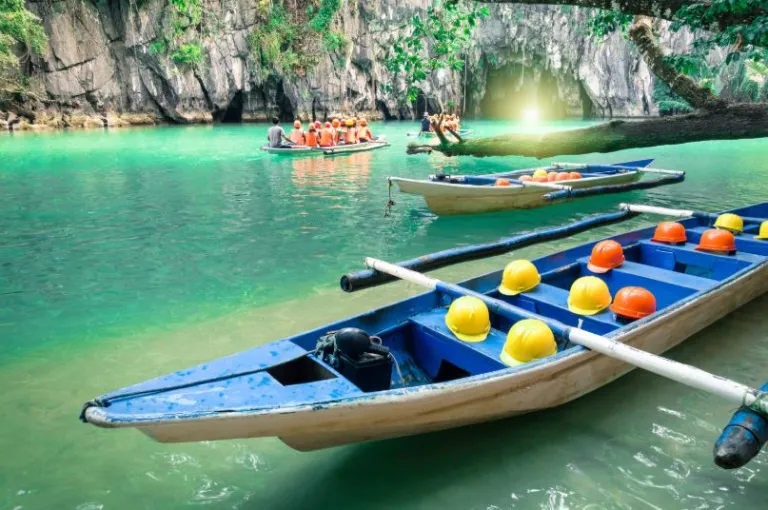
Image credit: View Apart | Canva Pro
Puerto Princesa, Palawan is the most reliable destination in the country for seeing bioluminescence.
What you can expect
In this area, travellers usually experience firefly watching along mangrove rivers. The trees light up at night as thousands of fireflies gather, creating a glowing effect across the riverbanks. In some cases, the water may also show faint glowing plankton when it is disturbed.
Where to go
The most popular locations include Iwahig River firefly watching tours and nearby mangrove areas.
What the experience feels like
A typical tour involves a quiet boat ride through dark mangroves. At first, everything feels still and silent. As you move deeper into the river, small lights begin to appear on the trees. The fireflies blink and move together, creating the feeling of a natural light display. The water reflects the glow, and every movement in the river can produce a soft shimmer.
This is one of the closest experiences to a guaranteed bioluminescent tour in the Philippines.
Coron Palawan
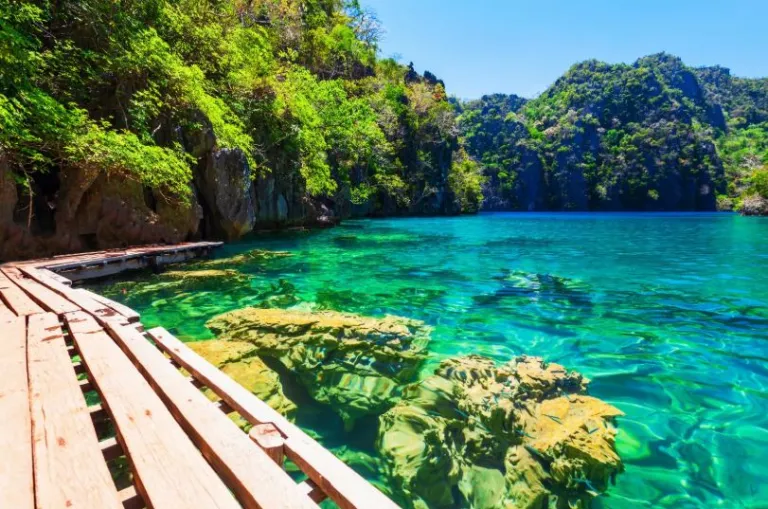
Image credit: Andrey | Canva Pro
Coron, Palawan offers a more peaceful and less crowded alternative, although sightings are less consistent compared to Puerto Princesa.
What you can see
Fireflies are more common in this area, especially around mangrove zones. In rare cases, faint bioluminescent plankton can be seen in dark and calm waters.
Where to go
Kingfisher Park mangrove areas and local night boat tours are the usual options.
What makes it special
Coron feels more raw and untouched. There are fewer tourists, which makes the experience more intimate. However, sightings depend heavily on natural conditions.
El Nido Palawan
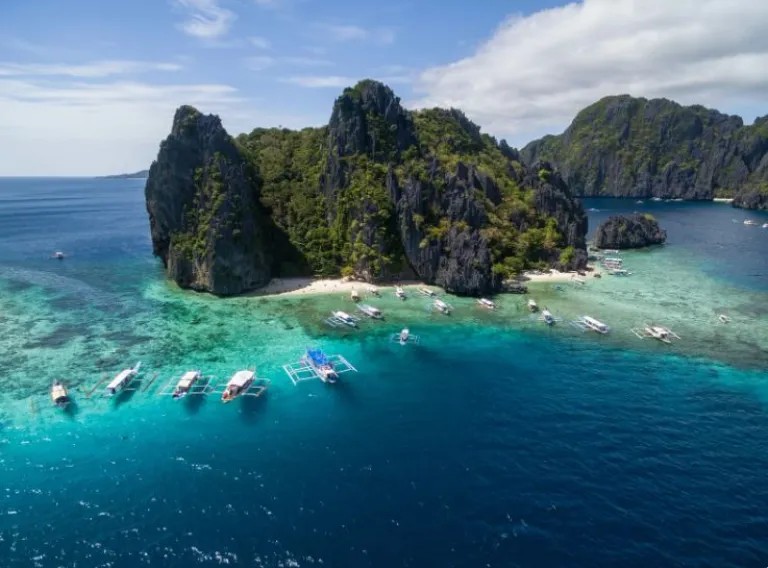
Image credit: Mindaugas Dulinskans | Canva Pro
El Nido is famous for its lagoons and limestone cliffs, but bioluminescence is not a regular attraction here.
What you might see
On very dark nights, especially when there is minimal light pollution, you may notice faint blue sparkles in the water caused by plankton.
Important note
This is not a guaranteed experience. It depends on weather, moon phase, and water conditions. Think of it as a lucky moment rather than a planned activity.
Siargao
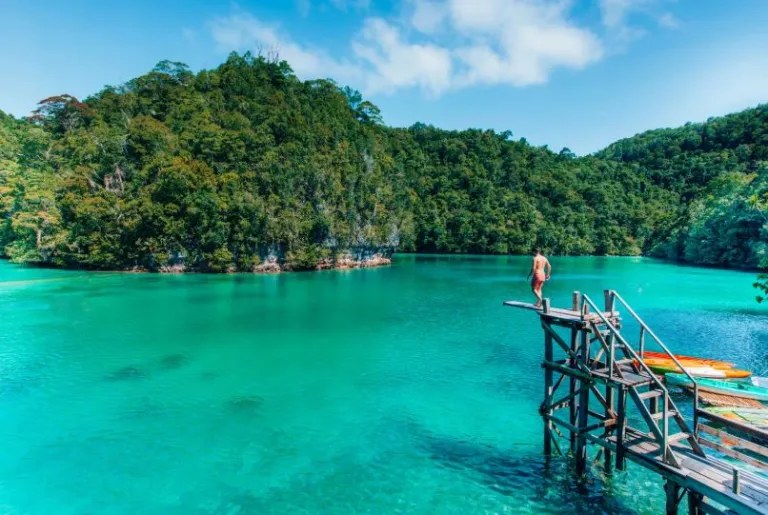
Image credit:Oneichpunch | Canva Pro
Siargao is known for surfing, but in some quiet and less developed areas, bioluminescence can occasionally appear.
What you might see
Small glowing plankton may be visible near mangroves or shallow lagoons. The glow is usually soft and short lived.
Where it happens
Local reports often mention areas such as Malinao and nearby mangrove zones.
Reality check
This experience is unpredictable. Some nights you may see nothing, while on rare occasions you may witness a faint natural glow.
Sorsogon
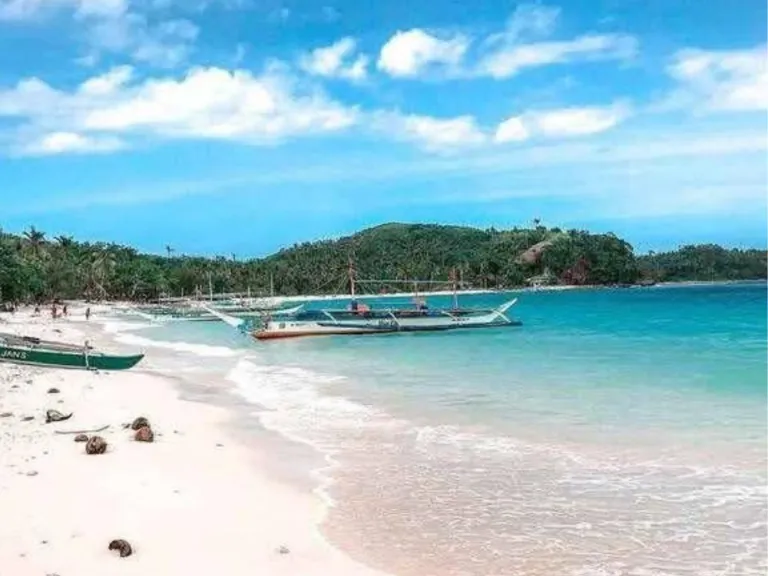
Image credit: Sorsogon, Subic Matnog, Donsol | FB Page
Sorsogon, particularly along river areas like Donsol, offers a different kind of bioluminescent experience focused on fireflies rather than ocean plankton.
What you can see
Fireflies light up the riverbanks at night, creating a calm and natural glow along the water.
Experience vibe
This destination is quieter and more local. It is better known for whale shark encounters during the day, but at night, the firefly tours offer a peaceful and memorable experience.
Best time to see bioluminescence in the Philippines
Timing is very important if you want to increase your chances of seeing bioluminescence.
The best conditions include:
• Nights with little or no moonlight, especially during a new moon
• Warm and calm weather conditions
• Still water with minimal waves or disturbance
• Areas with very low artificial light
The darker the environment, the more visible the glow becomes.
Tips for a better bioluminescence experience
To make the most of your trip, keep these in mind:
• Turn off phone flashlights and avoid bright screens during the tour
• Book eco guided tours because local guides know the best spots
• Do not expect bright neon level glow in every location
• Fireflies are more reliable than ocean plankton sightings
• Be patient because the experience depends heavily on natural conditions
Bioluminescence is not controlled or scheduled. It appears naturally, which is part of what makes it memorable
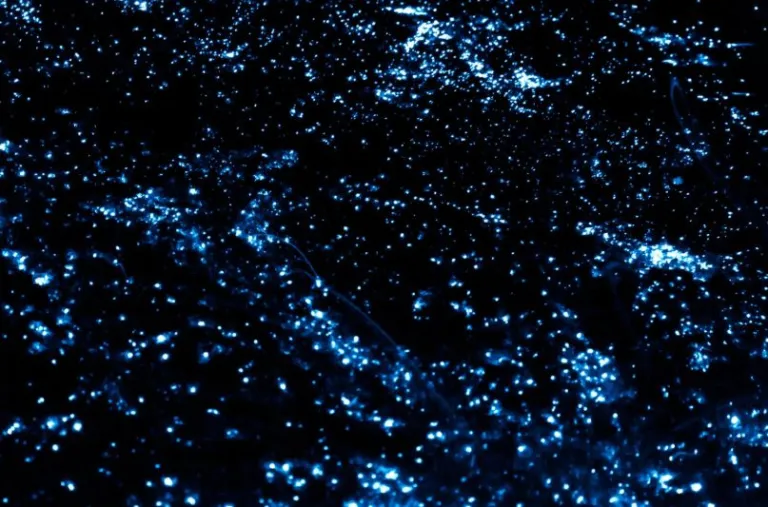
Image credit: watcherFF | Canva Pro
If you want the highest chance of seeing bioluminescence, Puerto Princesa, Palawan is the best option. It offers consistent firefly tours and occasional glowing water.
For quieter and more natural experiences, Coron and Sorsogon are good alternatives.
If you are hoping for something rare and unpredictable, El Nido and Siargao may surprise you, but sightings are not guaranteed.
Bioluminescence in the Philippines is not a guaranteed attraction, but when it appears, it feels like nature quietly revealing something hidden and unforgettable.
Published at
About Author
Jeliefer Sumaya
just tryna be an author
Subscribe our Newsletter
Get our weekly tips and travel news!
Recommended Articles
13 Long Weekends in the Philippines in 2015 5 Easy Weekend Destinations Outside Manila, Philippines There are many other beautiful places in the Philippines outside its capital, but these 5 destinations will let you enjoy weekend trips with great ease.
The Philippine Bucket List: 20 Challenges Every Filipino Traveller Must Complete Call yourself a true blue Filipino traveller if you’ve completed this Philippine Bucket List.
10 Countries Filipinos Probably Didn’t Know They Can Travel To Without Visa Filipinos rejoice! Your Philippine passport can take you to many countries you probably haven’t imagined travelling to without a visa.
8 Tricks to Successfully Grab Cheap Promo Flights in the Philippines PISO fare! Ooops, too late, all seats are sold out! Here’s what you need to do next time.
Latest Articles
BTS’ Agency BIGHIT MUSIC Opens Global Audition: Can Filipinos Apply? Filipinos can audition
Philippines Holidays 2027: Complete List And Long Weekends 2027 holiday dates
US To Test New System That Could Help Reduce Flight Delays New flight delay system
National Cinema Day 2026: ₱100 Movie Tickets On 12 September Watch movies for ₱100
Hot Wheels Designer Brendon Vetuskey Meets Filipino Collectors at Kingsford Hotel Manila Hot Wheels collector gathering