
Cheers to a whopping number of 20 holidays and 13 long weekends in the Philippines! Filipinos have all reasons to rejoice this 2015 as well! Feeling the vacation vibe? Plan your getaways now!

Philippine Laws Every Filipino Traveller Should Know Before Going Abroad
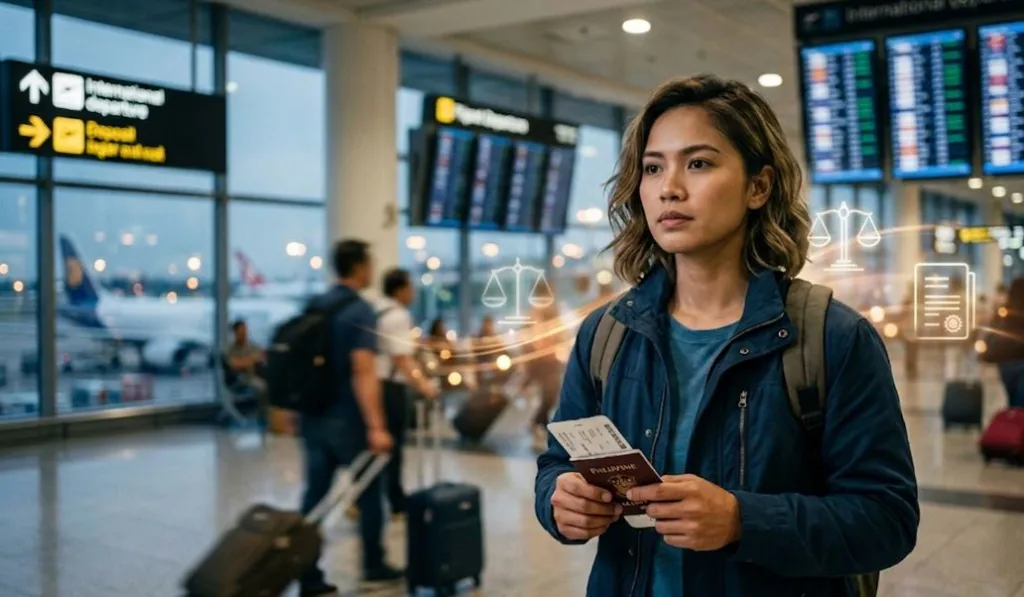
Travelling abroad is one of the most exciting things you can do. It can mean new experiences, new cultures, and sometimes even life changing opportunities. But while most people focus on flights, visas, and itineraries, many Filipinos do not realise that there are actual Philippine laws that continue to protect them even when they are outside the country.
These laws are not just for overseas workers. They also cover tourists, students, digital nomads, and anyone travelling abroad. If something goes wrong, there are systems in place designed to help.
Here are important Philippine laws every Filipino traveller should know before leaving the country.
RA 11983 New Philippine Passport Act
Republic Act No 11983 modernises the rules on Philippine passport issuance, renewal, and use. It updates the system to make travel documentation more efficient and relevant to modern travel needs.
This law also gives married women more flexibility when it comes to their passport name. They may choose to continue using their maiden surname, which helps avoid issues when their travel records, visas, and other documents are already under their original name.
This is especially useful for frequent travellers and professionals who rely on consistent identification across different countries and systems.
RA 10022 Migrant Workers and Overseas Filipinos Act
Republic Act No 10022 strengthens government support for Filipinos who encounter serious problems abroad.
This includes access to legal assistance, emergency repatriation, and government support during crises. Philippine embassies and consulates play a key role in providing help when Filipinos are stranded, detained, or affected by emergencies such as natural disasters or political unrest.
Although often associated with overseas workers, this protection can also apply to Filipinos who are travelling or staying abroad for other reasons.
RA 10364 Expanded Anti Trafficking in Persons Act
Republic Act No 10364 strengthens laws against human trafficking and illegal recruitment. It also reinforces border protection measures, including airport screening, to help prevent Filipinos from being exploited abroad.
Immigration officers are given authority to assess passengers in order to identify possible trafficking risks. This is part of the country’s effort to protect citizens from deceptive job offers and unsafe travel situations.
While the process can sometimes feel strict, it is designed to reduce risks involving exploitation and illegal recruitment.
RA 7157 Foreign Service Act of the Philippines
Republic Act No 7157 outlines the responsibilities of Philippine embassies and consulates around the world.
It ensures that Filipino citizens abroad can receive assistance during emergencies such as accidents, arrests, natural disasters, and other urgent situations. Embassies are expected to coordinate with local authorities and provide consular support when needed.
For travellers, this means there is always a government office that can help when unexpected problems happen overseas.
Also read: Airport Safety Tips: 10 Things You Should Never Do for Strangers at the Airport
RA 11641 Department of Migrant Workers Act
Republic Act No 11641 created the Department of Migrant Workers, an agency responsible for handling overseas Filipino concerns in a more centralised and organised way.
This department focuses on welfare services, emergency assistance, repatriation support, and coordination during crises involving Filipinos abroad. It brings together different services under one system to make government response faster and more efficient.
Even though it mainly focuses on overseas Filipino workers, its structure benefits many Filipinos who find themselves in urgent situations overseas.
RA 9262 Anti Violence Against Women and Their Children Act
Republic Act No 9262 protects women and children from all forms of abuse, including physical, emotional, psychological, sexual, and economic abuse.
This protection can still be relevant even if the abuse happens while a Filipino is abroad. Victims can seek help through Philippine embassies, which may coordinate with local authorities or provide support services.
This law reinforces the idea that safety and protection do not stop at the border.
RA 8042 Migrant Workers and Overseas Filipinos Act of 1995 as amended
Republic Act No 8042 is one of the main laws protecting Filipino workers abroad. It ensures that migrant workers have access to fair treatment, legal assistance, and government support when needed.
It also regulates recruitment agencies to prevent illegal recruitment and exploitation. This helps protect Filipinos from unsafe job offers and unfair working conditions overseas.
For many overseas workers, this law acts as a safety net when problems arise in another country.
RA 9208 Anti Trafficking in Persons Act
Republic Act No 9208 defines and penalises human trafficking. It covers recruitment, transport, and exploitation of individuals for forced labour or other forms of abuse.
This law protects Filipinos from scams and fake job offers that may lead to exploitation abroad. It also strengthens penalties against traffickers and illegal recruiters.
With the rise of online recruitment scams, this law has become increasingly important for young Filipinos exploring overseas opportunities.
RA 9189 Overseas Absentee Voting Act
Republic Act No 9189 allows qualified Filipinos living or staying abroad to vote in Philippine national elections.
This ensures that Filipinos overseas can still participate in choosing national leaders even while outside the country. It helps maintain their political voice and connection to national affairs.
RA 10928 Philippine Passport Validity Extension Act
Republic Act No 10928 extends the validity of Philippine passports for adults to ten years.
This reduces the need for frequent renewals and makes long term travel planning more convenient. It is especially useful for frequent travellers, students abroad, and remote workers who rely on valid travel documents.
Why these laws matter for Filipino travellers

Image credit: Edward Olive
Many Filipinos prepare for international travel by focusing on tickets, accommodation, and budgets. However, fewer people think about what happens when things go wrong abroad.
These laws exist to support Filipinos in situations such as immigration issues, lost documents, emergencies, exploitation risks, and unexpected crises overseas.
Understanding your rights helps you travel with more confidence. It is not about fear. It is about being prepared and knowing that support systems exist even when you are far from home.
Published at
About Author
Jeliefer Sumaya
just tryna be an author
Subscribe our Newsletter
Get our weekly tips and travel news!
Recommended Articles
13 Long Weekends in the Philippines in 2015 The Philippine Bucket List: 20 Challenges Every Filipino Traveller Must Complete Call yourself a true blue Filipino traveller if you’ve completed this Philippine Bucket List.
18 Comments Every Filipino Traveller Has Dealt With Abroad Every Filipino traveller has encountered these reactions and comments abroad. Stunning beaches? Hospitable people? Wait, you eat developing duck embryos?
10 Family Outing Ideas in Metro Manila Under ₱500 Looking for a weekend bonding with the family under ₱500? Head to these places, pronto!
10 Countries Filipinos Probably Didn’t Know They Can Travel To Without Visa Filipinos rejoice! Your Philippine passport can take you to many countries you probably haven’t imagined travelling to without a visa.
Latest Articles
BTS’ Agency BIGHIT MUSIC Opens Global Audition: Can Filipinos Apply? Filipinos can audition
Philippines Holidays 2027: Complete List And Long Weekends 2027 holiday dates
US To Test New System That Could Help Reduce Flight Delays New flight delay system
National Cinema Day 2026: ₱100 Movie Tickets On 12 September Watch movies for ₱100
Hot Wheels Designer Brendon Vetuskey Meets Filipino Collectors at Kingsford Hotel Manila Hot Wheels collector gathering