
Cheers to a whopping number of 20 holidays and 13 long weekends in the Philippines! Filipinos have all reasons to rejoice this 2015 as well! Feeling the vacation vibe? Plan your getaways now!

After Surviving Typhoon Tino, These Are the Things I’m Glad I Packed
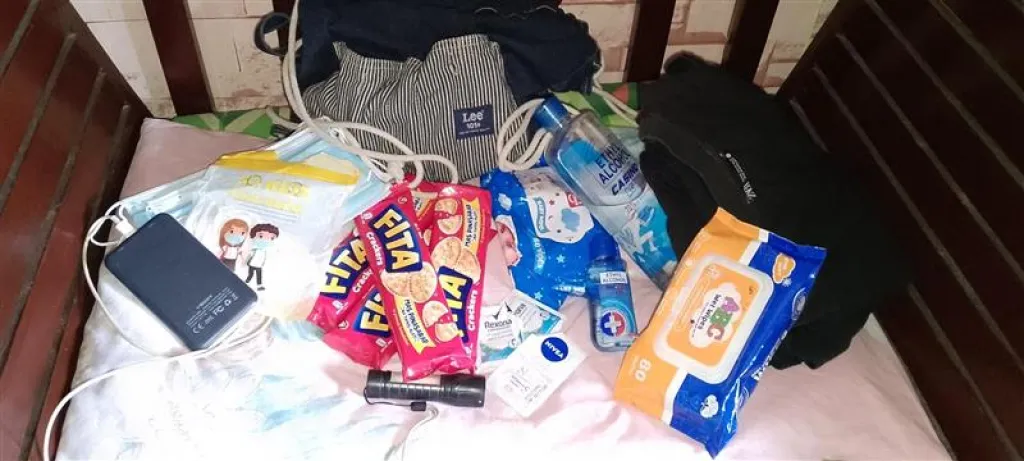
When Typhoon Tino hit, I realised that travelling in the Philippines is not only about exploring new places, tasting local food, or enjoying the sights. It is also about being prepared for the unexpected. Experiencing the full force of Tino in Southern Leyte showed me which items in my bag were actually lifesavers during the storm.
In My hometown, Southern Leyte, the flooding was severe. It was the first time that floodwaters entered people’s homes aside from the houses that were already damaged or had their roofs blown away. Many homes were destroyed by large trees carried by the floodwaters. Some houses were not destroyed but were completely covered in mud once the water receded. After a day, the sun came out, revealing streets covered in thick dust. This experience reminded me how unpredictable nature can be and why it is crucial to travel prepared.
Some items in my bag were simple, everyday things, but during the chaos, they became essential. Here are the things I am truly glad I packed and the essentials every traveller should consider during typhoon season in the Philippines.
Also read: How to Help Typhoon Kalmaegi (Tino) and Typhoon Fung-wong (Uwan) Victims and Avoid Donation Scams
Flashlight

It’s a no-brainer that after a typhoon, there’s usually no electricity. Having a reliable flashlight made all the difference. It was especially useful when we had to move around safely in the dark or prepare to evacuate to a safer place. Thankfully, I managed to leave early and stay at my aunt’s house, but during those moments, a simple flashlight became one of the most valuable things I had.
Alcohol and disinfectant, and wipes

Keeping clean was more important than ever, especially since the water supply was cut off due to heavy flooding and, even now, it still hasn’t fully returned. Having alcohol and wipes really helped me stay clean and sanitised despite the lack of running water. Every move you make, you’re bound to get dirty because of all the mud, so these simple items made a huge difference in staying fresh and a little more comfortable.
Deodorant
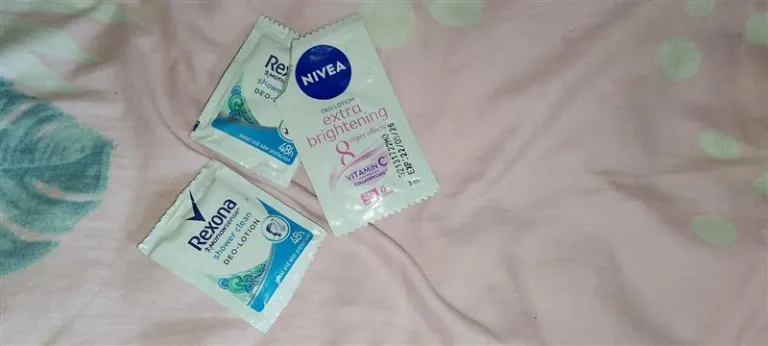
Feeling fresh might seem minor, but after the typhoon, it became one of the things I was most thankful for. When we finally went back to see what we could still save, everything was covered in mud. There was no water supply, which meant no proper bath for days. Having deodorant really helped me feel a bit cleaner and more confident, even when I had to re-wear the same clothes. It sounds small, but it truly saved me from another kind of stress during that time.
Black T-shirts and undergarments
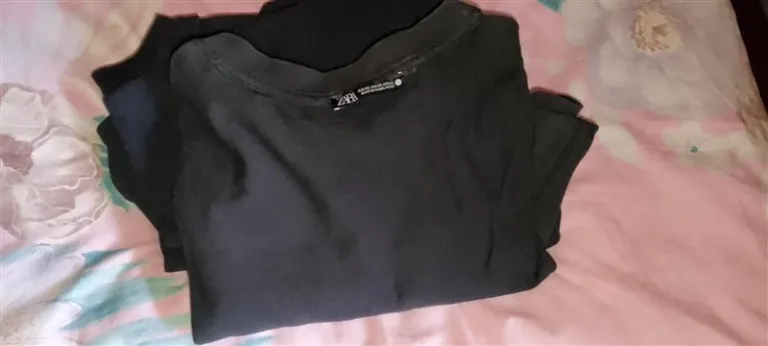
Comfort and practicality were essential. Black T-shirts were easy to wash and reuse, and having enough undergarments made days without electricity or running water manageable.
Bottled water
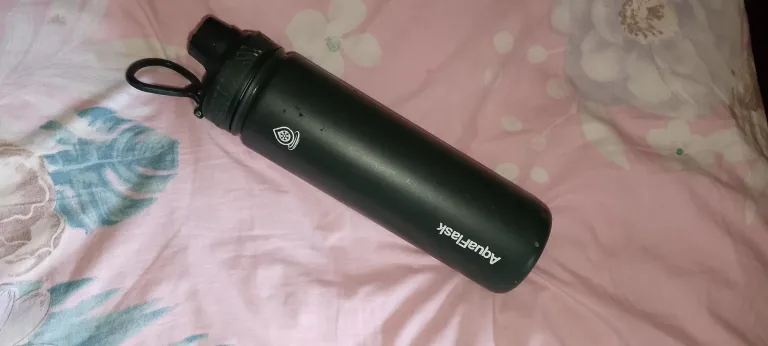
Hydration is key during storms. Water quickly became a valuable resource, and having my own supply gave peace of mind.
Biscuits, bread, and candies
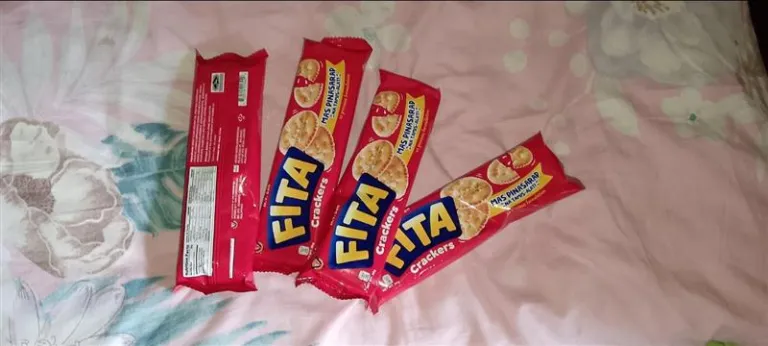
Quick snacks turned out to be my survival kit. Since almost everything in the house was covered in mud, cooking was out of the question. I swear, those biscuits, bread, and candies were my heroes. Without them, I might have died of hunger, not the flood. Lesson learned, never underestimate the power of snacks.
Portable phone charger and power bank
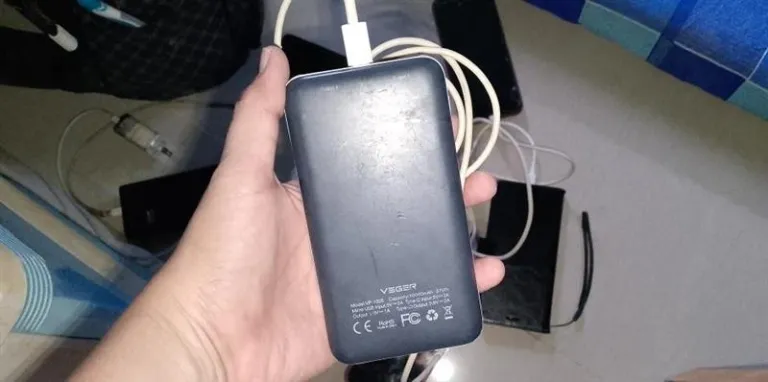
Staying connected was supposed to be the goal, but the signal completely disappeared once the storm hit. Still, having a fully charged phone and power bank helped me take photos, check updates whenever the signal flickered back, and stay ready in case of emergencies. Even if I couldn’t scroll through social media, at least I wasn’t completely powerless.
Cash
Electronic payments and ATMs don’t always work during storms, and I learned that the hard way. I usually rely on GCash for everything, but when the signal went down, it was useless. Thankfully, I had cash on hand, which saved me from extra stress and let me buy the important stuff when I needed it most. Sometimes, old-school really does win.
First aid kit and medicines
Basic medicines and bandages turned out to be real lifesavers. I got a cut from a piece of metal on the road while walking barefoot, since wearing rain boots was impossible. The mud was so thick that it stuck and made it hard to move without slipping, so going barefoot was the only choice. Thankfully, I had a few first aid essentials with me. Even simple things like alcohol, plasters, and pain relievers made a huge difference when help wasn’t immediately available.
Also read: What Makes Sierra Madre So Special?: Luzon’s Backbone and Shield From Typhoons
Masks

A day later, the mud had dried up, and every time a vehicle passed by or I went outside, it was extremely dusty. Having a face mask was a huge help in keeping me from inhaling all that dirt.
Experiencing Typhoon Tino and witnessing the floods in Southern Leyte taught me that travelling is not just about packing for convenience. It is about being thoughtful, prepared, and ready for anything. These are the items I will always keep in my bag, not only for storms but also for any unexpected situations while travelling.
Travelling in the Philippines during storm season can be unpredictable, but packing essential items makes all the difference. When your bag is prepared, you can stay safe, comfortable, and calm, no matter how extreme the weather becomes.
Published at
About Author
Jeliefer Sumaya
just tryna be an author
Subscribe our Newsletter
Get our weekly tips and travel news!
Recommended Articles
13 Long Weekends in the Philippines in 2015 The Philippine Bucket List: 20 Challenges Every Filipino Traveller Must Complete Call yourself a true blue Filipino traveller if you’ve completed this Philippine Bucket List.
18 Comments Every Filipino Traveller Has Dealt With Abroad Every Filipino traveller has encountered these reactions and comments abroad. Stunning beaches? Hospitable people? Wait, you eat developing duck embryos?
10 Family Outing Ideas in Metro Manila Under ₱500 Looking for a weekend bonding with the family under ₱500? Head to these places, pronto!
10 Countries Filipinos Probably Didn’t Know They Can Travel To Without Visa Filipinos rejoice! Your Philippine passport can take you to many countries you probably haven’t imagined travelling to without a visa.
Latest Articles
BTS’ Agency BIGHIT MUSIC Opens Global Audition: Can Filipinos Apply? Filipinos can audition
Philippines Holidays 2027: Complete List And Long Weekends 2027 holiday dates
US To Test New System That Could Help Reduce Flight Delays New flight delay system
National Cinema Day 2026: ₱100 Movie Tickets On 12 September Watch movies for ₱100
Hot Wheels Designer Brendon Vetuskey Meets Filipino Collectors at Kingsford Hotel Manila Hot Wheels collector gathering