
There are many other beautiful places in the Philippines outside its capital, but these 5 destinations will let you enjoy weekend trips with great ease.

13 Must-Visit Historical Sites in the Philippines for Every History Buff

If you think history is only found in dusty library books, you clearly haven’t spent enough time wandering the cobblestones of the Philippines. From the northern tip of Luzon down to the shrines of Mindanao, our islands are truly rich with stories of revolution, resilience, and romance.
Whether you are looking to walk the same paths as our national heroes or want to stand where world-changing battles were won, the Philippines has a heritage site for you.
We have curated a list of 13 essential historical landmarks that every history buff needs to cross off their bucket list... because understanding our past is one of the most meaningful ways to appreciate our journey as a nation!
Historical sites in the Philippines to visit
1. Rizal Park
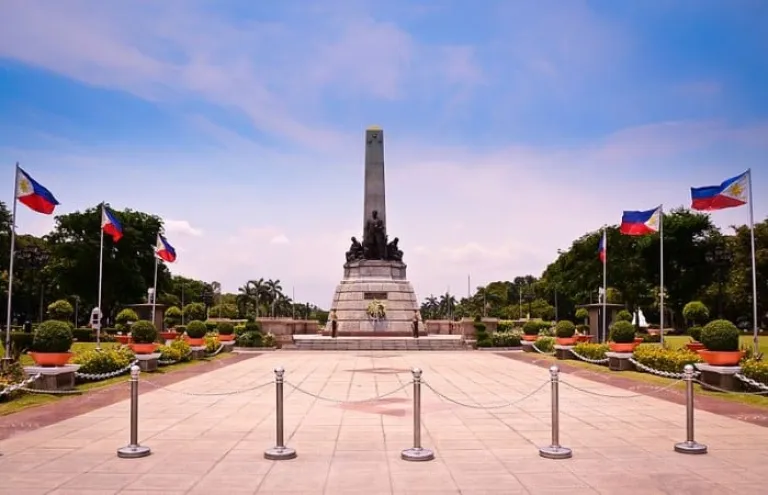
Image credit: Maynard Rabanal
This park, located right in the heart of the country’s capital Manila, has been called various names: Luneta Park, Bagumbayan, and Manila Kilometer Zero. Rizal Park was named after the country’s national hero, Jose Rizal, who was executed there by the Spanish military firing squad after spreading his revolutionary ideas against Spanish rule.
Address: Roxas Blvd Ermita, Barangay 666 Zone 72, Metro Manila
2. Calle Crisologo
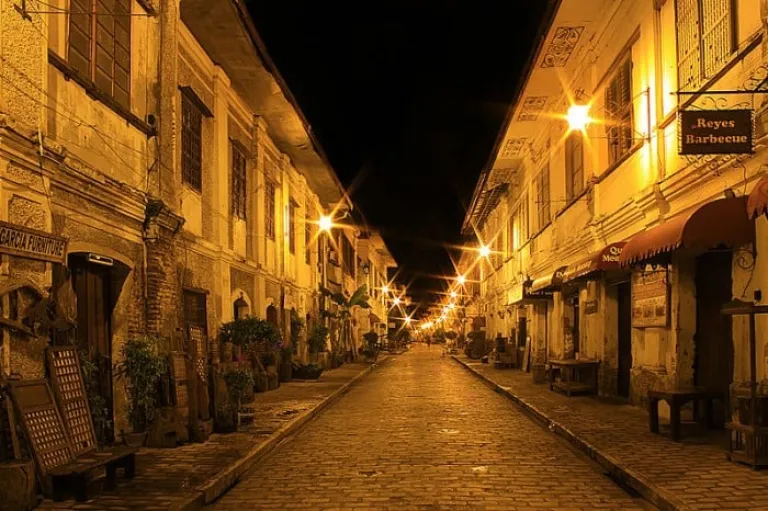
Image credit: Obra19-Jojo Deladia
This famous 500-metre cobblestone street in Vigan City, Ilocos Sur is one of the best displays of Spanish influence in the country. Stretching across only five blocks, the calle (street) is lined with old heritage houses of Filipino-Chinese traders who were prominent back in the day. The houses here are characterised by thick walls, red roofs, huge doors and capiz shell windows.
Address: Calle Crisologo, Vigan City, Ilocos Sur
3. Leyte Landing Monument
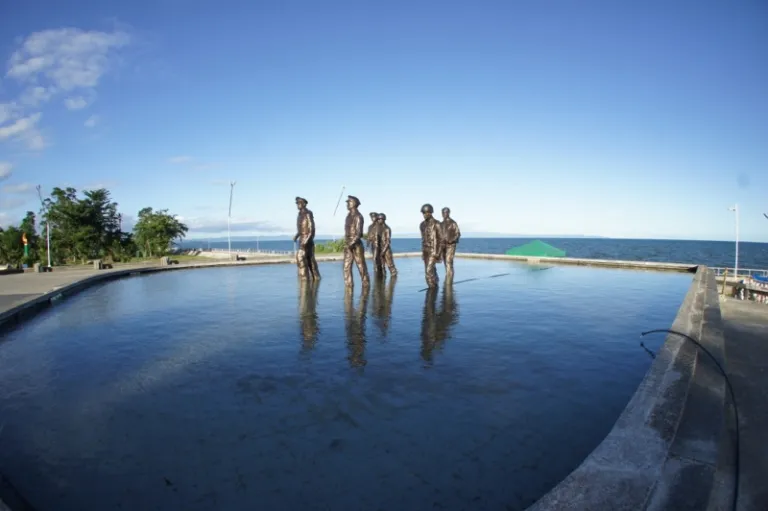
Image credit: Wikityrey
"I shall return." This is the spot where General Douglas MacArthur fulfilled that promise in 1944, signaling the start of the liberation of the Philippines from Japanese forces.
Address: Red Beach, Palo, Leyte
Also read: A Simple Travel Guide to Leyte: What You Need to Know Before Your Trip
4.

Image credit: Seth Nimbosa
Sandugo referred to the blood compact that took place between the Spanish explorer Miguel Lopez de Legazpi and the chieftain of Bohol, Datu Sikatuna, back in 1565. Sandugo means “one blood” in the Visayan dialect and was performed to seal the friendship between the two leaders. It was considered to be the first-ever treaty of friendship between the Filipinos and the Spaniards.
Address: J.P Inting Street, Tagbilaran City, Bohol
5.
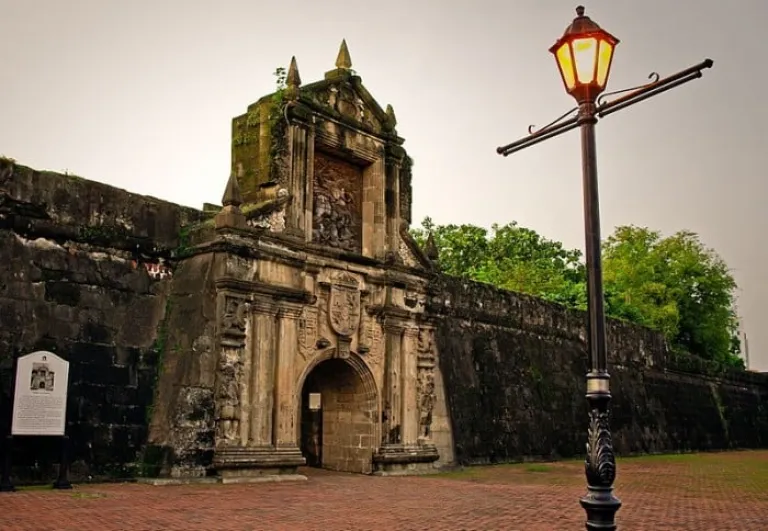
Image credit: Leoviernes1
This citadel was first built by the Spanish explorer Miguel Lopez de Legazpi and is a part of the walled city of Manila called Intramuros. Its prison walls witness the loss of lives during the Spanish Colonial Period and the Second World War. The country’s national hero was also imprisoned here before he was executed back in 1896 at the now Rizal Park.
Address: Intramuros, Manila, Philippines
Also read: DIY Walking Tour in the Walled City of Intramuros: Top 8 Attractions to Visit
6. Fort San Pedro
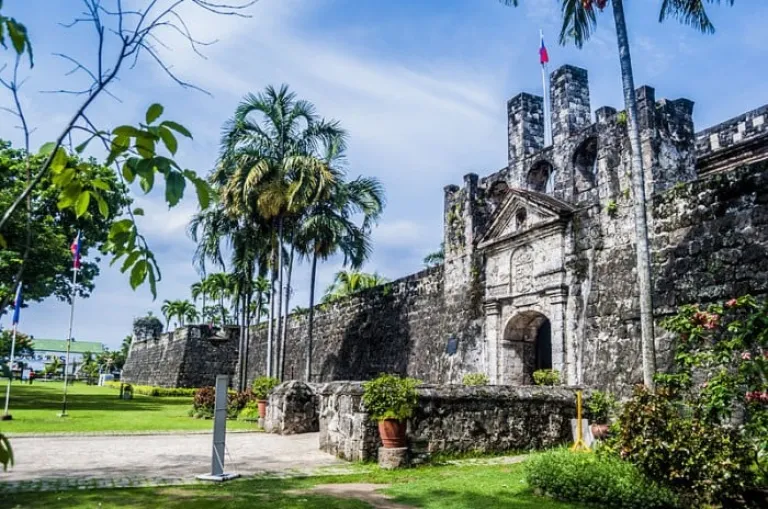
Image credit: Raschid Salting
Another military structure built under the command of Miguel Lopez de Legazpi is the Fuerte de San Pedro in Cebu. This historical site in the Philippines was made of wood, and immediately put up after the arrival of the Spanish explorer in order to keep the Muslim raiders away from the area. It was the centre of the first Spanish settlement in the country and, in the 19th century, the fort was attacked by Filipino revolutionaries who used it as their stronghold during the Philippine Revolution.
Address: Plaza Independencia, Cebu City
7. Mactan Shrine
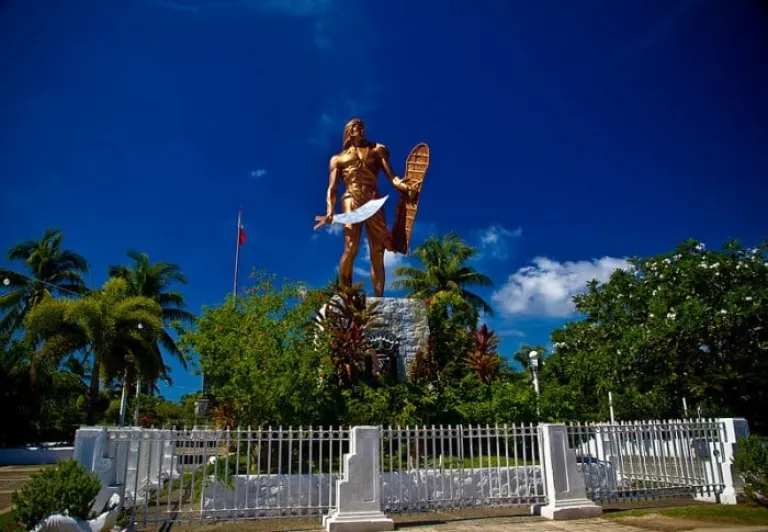
Image credit: Ipepot
The Mactan Shrine, or the Lapu-Lapu Shrine, is a 20-metre bronze statue of the native leader, Lapu-Lapu, who was the one who defeated the Spanish soldiers and killed the Portuguese explorer Ferdinand Magellan back in 1521. The event is now famously referred to as the Battle of Mactan.
Address: Punta Engaño, Lapu-Lapu City, Cebu
8. Corregidor Island
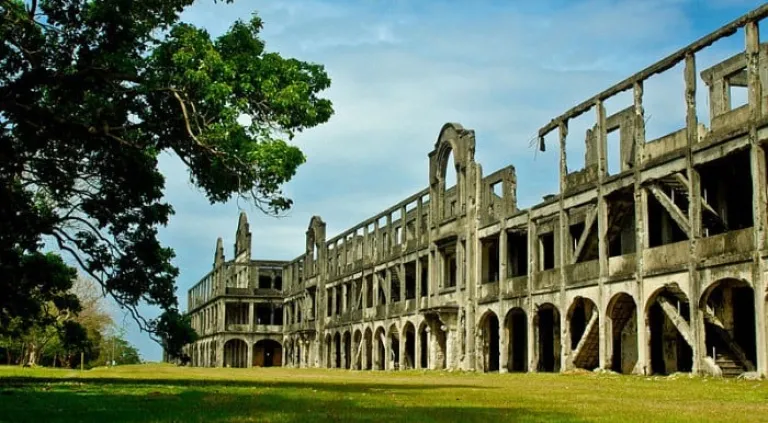
Image credit: Leoviernes1
Corregidor Island is known for its many historical significance in the country. For one, it became the seat of the Philippine Commonwealth Government in 1941. It also became the headquarters of the Allied Forces during the Japanese occupation in the Philippines in 1942. Later that year, the Battle of Corregidor took place on the island, as a culmination of the Japanese campaign to conquer the Philippine government. A lot of Filipino, American and Japanese lives were lost during the battle as the island was the last remaining obstacle that will allow the Japanese to have full control of Manila Bay.
Address: Corregidor Island, Manila Bay, Cavite
9.
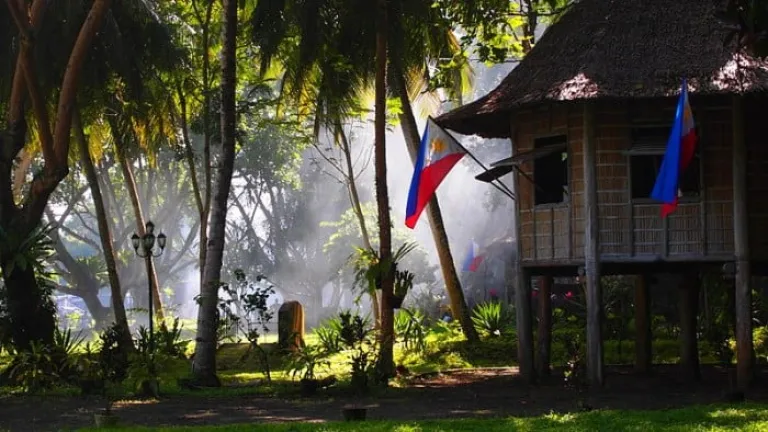
Image credit: Ric Canizares
This is where Jose Rizal spent four years in exile. You can visit the Rizal Park and Shrine to see the school he built, the clinic where he operated, and the water system he designed for the local community.
Address: Brgy. Talisay, Dapitan City, Zamboanga del Norte
10. Basilica del Santo Niño
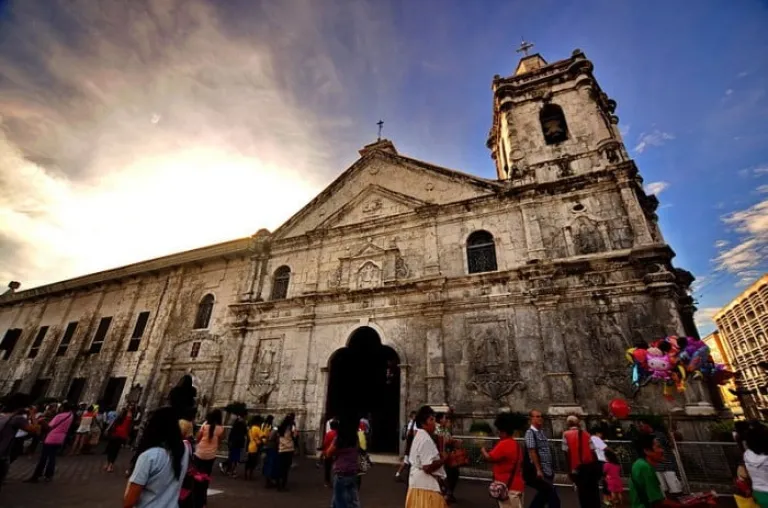
Image credit: Allan Jay Quesada
No visit to Cebu is ever complete without paying tribute to Santo Niño. The basilica was founded in 1565 and is the oldest Roman Catholic Church in the entire country. The spot was where Miguel Lopez de Legazpi found the image of the Child Jesus. It was also the same statue that Ferdinand Magellan gave to the wife of Rajah Humabon of Cebu after they were baptised to Christianity in 1521.
Address: Santo Niño Chapel, Cebu City
Also read: How I Spent a Smashing 4-Day Getaway to Cebu and Bohol
11. Magellan’s Cross

Image credit: shankar s.
A few steps away from Basilica del Santo Niño lies another Spanish Era landmark: Magellan’s Cross. In 1521, Portuguese and Spanish explorers — led by Ferdinand Magellan — set up this Christian cross upon their arrival in Cebu. In fact, when you look up at the chapel ceiling, you’ll find fresco paintings depicting this scene. As for the cross itself, the one that you’ll see there is only a replica. The original one is actually hidden inside as to protect it from damage!
12.

Image credit: Bernardo Arellano III
The monument of the great Sultan Muhammad Dipatuan Kudarat stands proud right in front of the Provincial Capitol Building in the province of Sultan Kudarat in Mindanao. The sultan was known as a Filipino hero who fought against the Spanish invaders and defended his Islamic faith. Because the Spaniards could not conquer his territory, the Spanish governor and the Sultan signed a pact which led to many years of peace in the area. He was also considered one of the greatest leaders in Mindanao as he was able to unite the Muslims from Lanao, Cotabato, Sulu, Davao, Zamboanga and North Borneo.
Address: Provincial Capitol Building, Sultan Kudarat
13. EDSA Shrine

Image credit: Patrick Roque
Compared to all the other historical sites in the Philippines, the EDSA Shrine is connected to a more recent event in the country’s history. The shrine was built only in 1989 and now stands to commemorate the two People Power Revolutions that took place in the country. The first People Power ousted the dictatorship of Ferdinand Marcos under Martial Law while the second one ousted Joseph Estrada from power in 2001.
Address: Intersection of Ortigas Avenue and Epifanio de los Santos Avenue (EDSA), Barangay Ugong Norte, Quezon City
Quick Travel Tips for 2026
Book Ahead. Many sites now use digital booking systems to manage crowds and preserve the structures.
Respect the Walls. As tempting as it is for the "gram," avoid climbing on original stone structures at sites like Intramuros or Fort Santiago.
Hire Local Guides. Most of these sites have accredited guides who can tell you the stories that aren't on the plaques.
This article was originally published on TripZilla.
Published at
About Author
Pam Baroro
When not moonlighting as a freelance wordsmith and code wrangler, Pam is a millennial mom who loves to explore the outdoors to camp/hike/trek/backpack with her partner and their 4-year-old daughter. Check their family travel blog at <a href="http://heymissadventures.com/">Hey, Miss Adventures!</a>
Subscribe our Newsletter
Get our weekly tips and travel news!
Recommended Articles
5 Easy Weekend Destinations Outside Manila, Philippines 9 Long Weekends in the Philippines in 2016 It’s definitely more fun in the Philippines in 2016 as there will be 9 long weekends with 4 days leave! Plan your getaways with our cheatsheet & calendar.
7 Long Weekend Getaway Destinations in the Philippines With so many long weekends in the Philippines, weekend getaways are in order. Instead of travelling abroad, explore local destinations instead.
The Philippine Bucket List: 20 Challenges Every Filipino Traveller Must Complete Call yourself a true blue Filipino traveller if you’ve completed this Philippine Bucket List.
20 Signs You Were Born and Raised in The Philippines You use your lips to give directions, and dip bread in coffee.
Latest Articles
Fyang Smith and JM Ibarra’s Recent Travels: 7 Places They’ve Visited Their latest travel destinations
South Korea Visa Application Guide For Filipinos: Updated KVAC Fee And Requirements Korea visa tips
Just a Flight Away! Why Kota Kinabalu is the Easiest International Quick Getaway from Manila International travel made easy.
Apple Pay Is Now Available In The Philippines, Here’s What You Need To Know Cashless payments made easier
Philippines Flight Fuel Surcharge to Increase From 1 to 15 August 2026 Higher airfare costs