
Cheers to a whopping number of 20 holidays and 13 long weekends in the Philippines! Filipinos have all reasons to rejoice this 2015 as well! Feeling the vacation vibe? Plan your getaways now!

Italian Cuisine Earns UNESCO Status as Intangible Cultural Heritage
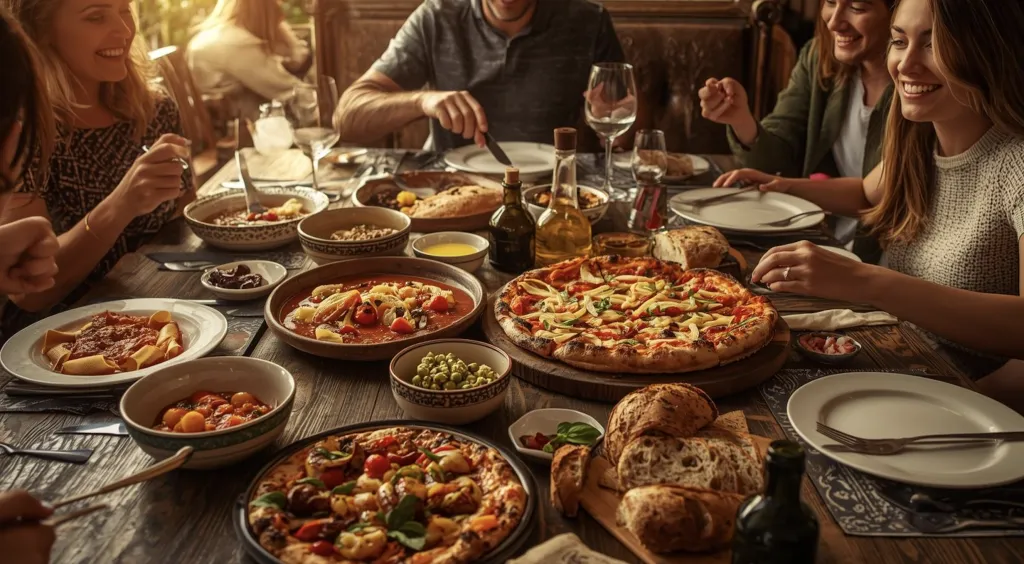
Italian food has always had a special place in travel culture. Even without boarding a plane to Europe, many people already have an emotional connection to pizza nights, pasta cravings, or that one scoop of gelato that somehow fixes a bad day. Recently, Italian cuisine reached a new milestone that goes beyond comfort food and cravings. UNESCO has officially recognised Italian cuisine as part of its Intangible Cultural Heritage list, and this recognition is about culture, tradition, and everyday life, not just famous dishes.
This UNESCO recognition focuses on Italian cuisine as a living tradition. It celebrates the knowledge, rituals, and skills behind cooking that have been passed down through generations. Italian food is deeply rooted in family life and community. Recipes are not simply written down. They are taught, shared, and learned through experience. From grandparents guiding younger family members in the kitchen to neighbours gathering for long meals, Italian cuisine represents a way of living, not just eating.
One of the key reasons Italian cuisine made the UNESCO list is its strong connection to social rituals. Meals in Italy are often slow, intentional, and shared. Cooking is not rushed, and eating together is seen as a meaningful part of daily life. This tradition highlights how food brings people together, encouraging conversation, connection, and a sense of belonging. In a world where meals are often eaten quickly or alone, this food culture feels especially relevant.
Italian cuisine is also incredibly diverse, and UNESCO highlighted this regional richness. Each part of Italy has its own flavours, ingredients, and cooking styles shaped by geography, climate, and history. Northern regions are known for creamy sauces, cheese, and rice dishes, while southern regions lean towards olive oil, tomatoes, seafood, and bolder flavours. These differences reflect centuries of local traditions and available ingredients, making Italian food a true reflection of place and identity.
What makes this recognition historic is that it acknowledges an entire national cuisine, rather than a single dish or cooking method. Italian cuisine now stands alongside other globally respected cultural traditions that UNESCO works to preserve. This sends a clear message that food can carry cultural value equal to music, language, and art, recognising cooking as a form of heritage worth protecting.

For travellers, this matters more than it might seem. Food is often the most accessible way to experience a country’s culture. Visiting Italy is not just about landmarks or museums. It is about sitting down for a long lunch, exploring local markets, and understanding why certain dishes exist in specific places. UNESCO’s recognition encourages travellers to see Italian food experiences as cultural encounters, not just tourist activities.
Also read: Food Itinerary Tips for an Exciting Gastronomic Escapade
This recognition also resonates strongly with Filipino travellers. The importance of family meals, shared food, and inherited recipes feels familiar. Much like Italian households, Filipino families often bond in the kitchen and around the table. That shared value makes Italian cuisine easier to connect with on a deeper level, even when travelling far from home.
From a travel and SEO perspective, Italian cuisine being recognised by UNESCO adds even more reason to explore Italy through food focused travel. Cooking classes, regional food tours, and traditional family run restaurants now carry cultural significance alongside their culinary appeal. Travellers searching for authentic Italian food experiences are not just chasing flavours. They are participating in a globally recognised heritage.
Italian cuisine making the UNESCO Intangible Cultural Heritage list is not about proving that pizza or pasta deserves love. That was never in question. It is about honouring the people, traditions, and everyday moments behind the food. It reminds us that culture is often found in the simplest routines, like cooking for family or sharing a meal with friends.
For anyone planning future travels or simply dreaming about their next trip, this recognition reinforces one simple idea. To truly understand a place, sometimes all you need is a seat at the table, time to slow down, and a meal shared with others.
Published at
About Author
Jeliefer Sumaya
just tryna be an author
Subscribe our Newsletter
Get our weekly tips and travel news!
Recommended Articles
13 Long Weekends in the Philippines in 2015 5 Easy Weekend Destinations Outside Manila, Philippines There are many other beautiful places in the Philippines outside its capital, but these 5 destinations will let you enjoy weekend trips with great ease.
9 Long Weekends in the Philippines in 2016 It’s definitely more fun in the Philippines in 2016 as there will be 9 long weekends with 4 days leave! Plan your getaways with our cheatsheet & calendar.
7 Long Weekend Getaway Destinations in the Philippines With so many long weekends in the Philippines, weekend getaways are in order. Instead of travelling abroad, explore local destinations instead.
The Philippine Bucket List: 20 Challenges Every Filipino Traveller Must Complete Call yourself a true blue Filipino traveller if you’ve completed this Philippine Bucket List.
Latest Articles
BTS’ Agency BIGHIT MUSIC Opens Global Audition: Can Filipinos Apply? Filipinos can audition
Philippines Holidays 2027: Complete List And Long Weekends 2027 holiday dates
US To Test New System That Could Help Reduce Flight Delays New flight delay system
National Cinema Day 2026: ₱100 Movie Tickets On 12 September Watch movies for ₱100
Hot Wheels Designer Brendon Vetuskey Meets Filipino Collectors at Kingsford Hotel Manila Hot Wheels collector gathering