
Come 5-7 Feb 2016, PTAA Travel Tour Expo 2016 will once again showcase the hottest travel deals and promos from over 300 exhibitors around the Philippines.

Nepal Flash Floods: Travellers Urged To Avoid These Areas
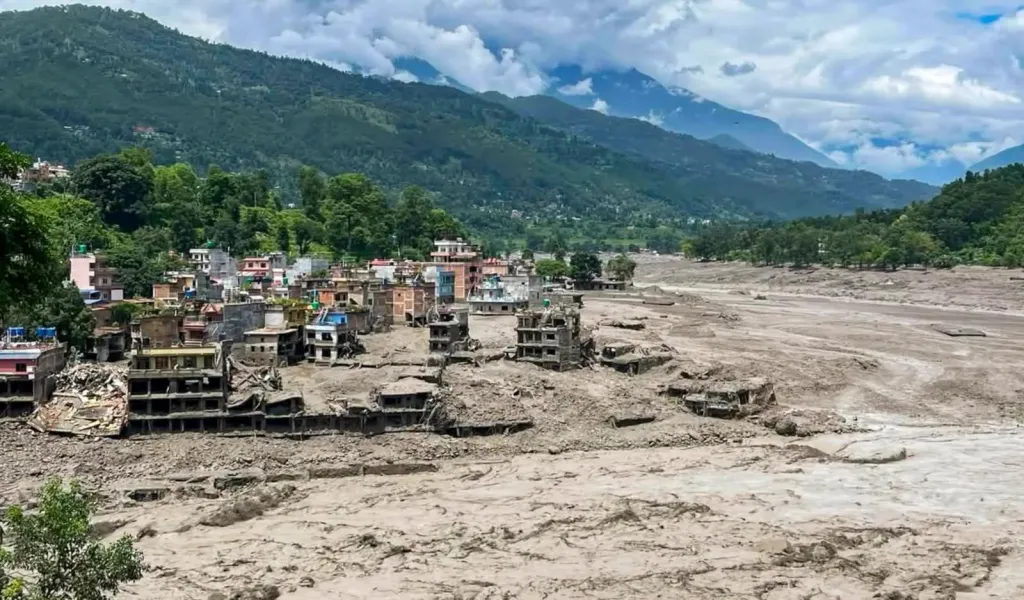
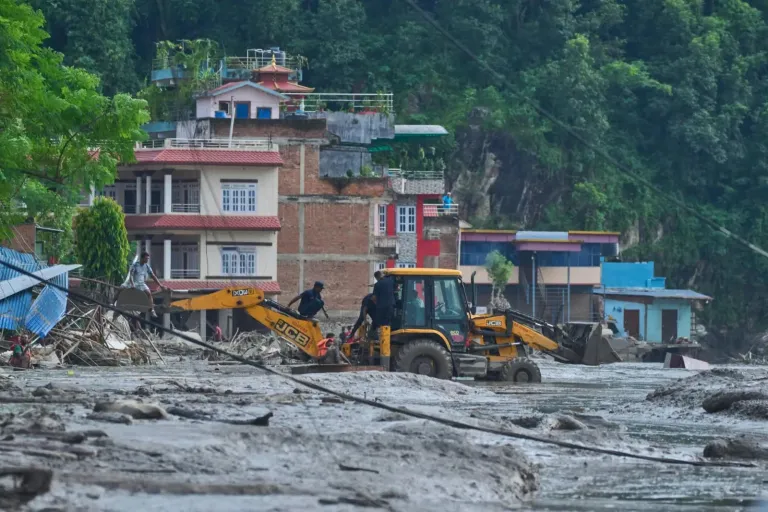
A devastating flash flood hit northern Nepal on Wednesday, 26 August 2026, sending a powerful surge of water, rocks and debris through communities near the Tibet border.
The disaster was reportedly triggered by a glacial collapse and ice-rock avalanche high in the Himalayas, which sent a huge volume of debris into the Bhote Koshi River and caused a sudden surge downstream. Experts are still investigating the exact cause, although increasing glacier instability in the Himalayas may have contributed.
The flooding has killed at least 160 people and left more than 1,000 missing across Nepal and Tibet, including foreign travellers. With rescue operations still underway, travellers planning a trip to Nepal are being urged to avoid affected areas and check the latest travel updates before heading out.
Nepal flash floods: Which areas should travellers avoid?
The flooding has severely affected several parts of northern and central Nepal.
Travellers are urged to avoid:
Rasuwa
Nuwakot
Dhading
Gorkha
Chitwan
Rasuwa District, particularly areas around Timure and the Nepal-Tibet border, has been among the hardest hit.
Flooding and landslides have also damaged roads and bridges, making some routes dangerous or inaccessible. Travellers should avoid flooded roads, damaged bridges, rivers and riverbanks.
Is Nepal safe to travel to?
Not all of Nepal has been affected by the flash floods. However, travellers should exercise extra caution and avoid affected areas while rescue and recovery operations continue.
If you have an upcoming Nepal trip, check your itinerary carefully. Contact your airline, hotel or tour operator to confirm whether your planned routes and activities are operating normally.
If your itinerary includes an affected area, consider postponing that part of your trip until authorities confirm that it is safe.
What to do if you're already in Nepal
If you're currently travelling in Nepal:
Avoid flood-affected areas and damaged roads.
Stay away from rivers and riverbanks.
Follow instructions from local authorities.
Check road and transport conditions before travelling.
Keep your phone charged and important documents accessible.
Stay in contact with your hotel or tour operator.
Do not attempt to cross flooded roads or damaged bridges, even if they appear passable.
What Filipino travellers should know
For Filipinos planning to visit Nepal, the key takeaway is simple: you don't necessarily need to cancel your entire trip, but you should avoid the affected areas and monitor updates closely.
If you're already in Nepal and need assistance, contact the Philippine Embassy or your tour operator for guidance.
As rescue teams continue searching for missing people and assessing the damage, travellers should continue checking official updates before making plans.
This is a developing story. Details may change as more information becomes available.
Published at
About Author
Jeliefer Sumaya
just tryna be an author
Subscribe our Newsletter
Get our weekly tips and travel news!
Recommended Articles
PTAA Travel Tour Expo 2016 Latest Event Details The Great British Festival 2016: Experience the Best of Britain in Manila and Win Cool Prizes Join in the fun at the Great British Festival in Manila this 26-28 Feb 2016.
NAITAS Travel & Trade Show 2016 is Definitely BIG! Come 8-10 April 2016, the BIGGEST TRAVEL and TRADE SALE in the Philippines is here again!
Hot Summer News: ZoukOut Singapore Goes to Boracay This Labour Day Weekend The iconic ZoukOut festival is coming to the Philippines! Save the dates on April 30 and May 1 and out to the country’s best beach party destination – Boracay.
The New, High Security Philippine E-Passport Finally Unveiled! Excited for the new Philippine passport? Here’s a sneak peek to the new look on our favourite travel document!
Latest Articles
Taiwan Is Paying Tourists Up to NT$8,000 to Visit — Here’s How You Can Get It Here’s how Filipino travellers can qualify, plus visa-free entry and KKday savings
Filipinos Can Now Fly To Europe Via Istanbul New Europe flight route
Philippines Tourism Slogan: What Is ‘Love the Philippines’? Senators discuss tourism branding
Thailand Jet Ski Rider Arrested After Viral Bangkok Flood Video Bangkok jet ski rider arrested
Damaged Philippine Passport? What To Do Passport damage and replacement