
Cheers to a whopping number of 20 holidays and 13 long weekends in the Philippines! Filipinos have all reasons to rejoice this 2015 as well! Feeling the vacation vibe? Plan your getaways now!

3 Days in Okinawa: Everything We Saw, Did, and Ate in Japan's Southern Gem
Did you know there’s a place in the world where people don’t die?
There is! And it’s Okinawa, Japan!
What most people don’t know is that Okinawa feels completely different from the rest of Japan. Okinawa is often called the “island of longevity” because they live insanely long lives, often past 100. They barely even get fat! The secret lies in their lifestyle. They often move and have physical activities, eat fresh food, and stick with lifelong friend groups called moai, which are basically built-in support friend group. They also follow ikigai, a sense of purpose that keeps life steady and meaningful.
Plan your perfect summer escape to OKINAWA now!
Fly from Manila via Taipei with China Airlines and land in Okinawa, Japan for the most unforgettable summer vacation of your life!
Catch flights to Okinawa starting at USD 360 (excluding taxes)!
One thing we found pretty interesting about Okinawa is their approach to eating called hara hachi bu, which basically means “stop when you’re about 80 percent full.” It’s a simple idea, but the locals really stick to it, and it seems to work. They have some of the lowest rates of heart disease, cancer, and stroke, and people often live really long lives.
The lifestyle here is low-stress, close to nature, and full of little joys. People are chill, friendly, and somehow just… happy! Man, it must be nice to always be surrounded by friends, not get fat, and live a long happy life.
But you don’t need a month to experience what it’s like to be Okinawan. In just three days, you can explore the place and live like a local. Here’s exactly what we saw, did, and ate in Japan’s southern gem for you to try!
Spots to visit

Image credit: Canva Pro
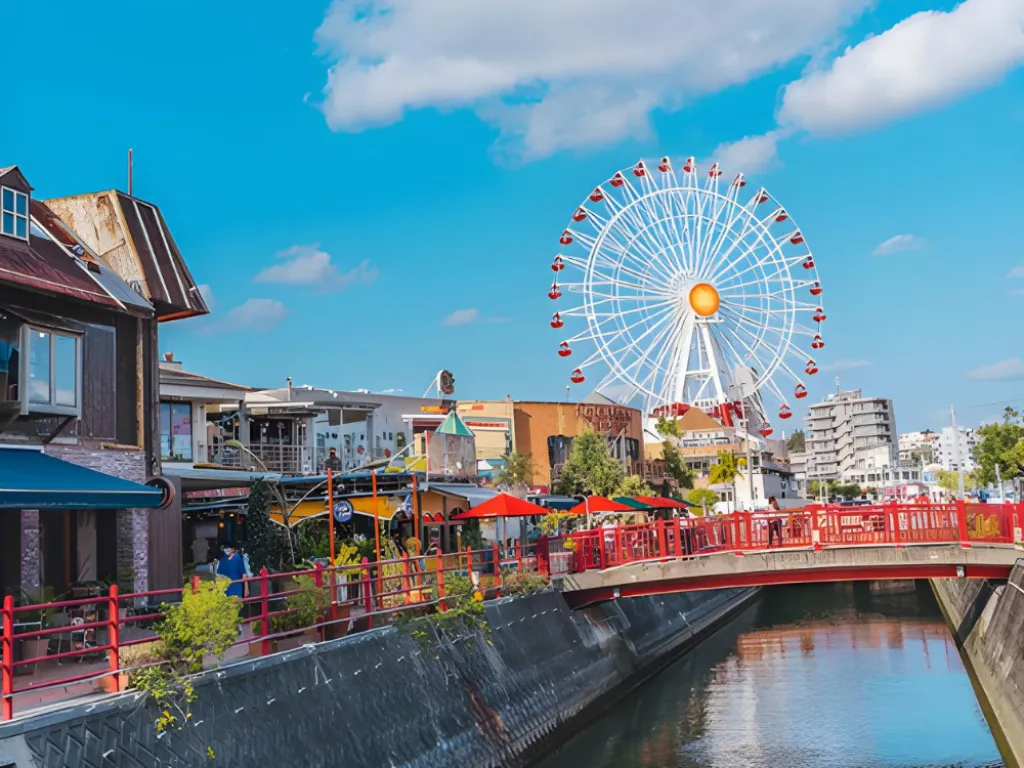
We kicked things off at American Village and checked out shops, restaurants, and casual nightlife. It’s a fun spot where you can walk around and see what’s happening. Then, we head on to Senagajima Umikaji Terrace which quickly became my favourite. We just sat by the sea, grabbed a snack, and watched people go by.
Next, we went to Okinawa World and Gyokusendo Cave. Exploring the limestone caves was surprisingly cool, and the traditional houses and cultural shows gave us a good glimpse of local life. Then we stopped by Bios Hill. We rode a water buffalo cart, paddled a canoe, and spotted some local wildlife along the way.
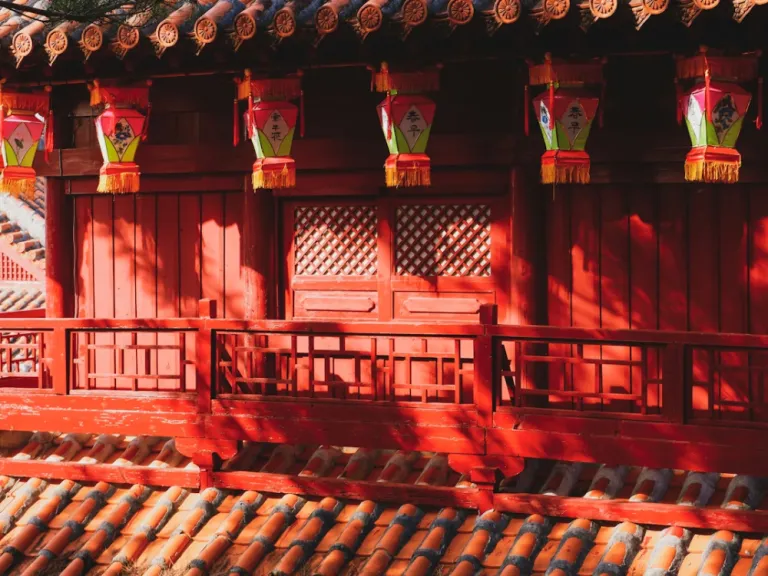
Image credit: susannschuster | Unsplash
Kokusai Street was buzzing when we got there. Street food, souvenirs, and small shops made it easy to spend hours just walking and trying different things. After that, we checked out Ryukyu Mura. The hands-on workshops, music, and dance performances got us involved without even thinking about it.
The spot I would recommend for trinket collectors is Tsuboya Yachimun Street. It was all about pottery, Shisa statues, and Okinawan crafts. We picked up a few unique gifts while wandering. Then, we headed to Sefa-utaki, a UNESCO Heritage site and the most sacred natural site of the Ryukyu Kingdom. It’s a place where nature was worshipped and where, historically, men were restricted.
We also visited Himeyuri Monument and the Peace Museum. It was intense but worth it to understand Okinawa’s history. Then we went to Manzamo. The cliff and the endless sea view made us stop and just take it all in.
Okinawa Churaumi Aquarium was another highlight. Whale sharks, turtles, and tropical fish swimming around made it easy to lose track of time. Finally, we wrapped up at Shurijo Castle Park. Walking through the castle grounds and learning about the Ryukyu Kingdom tied the whole trip together.
Things to do
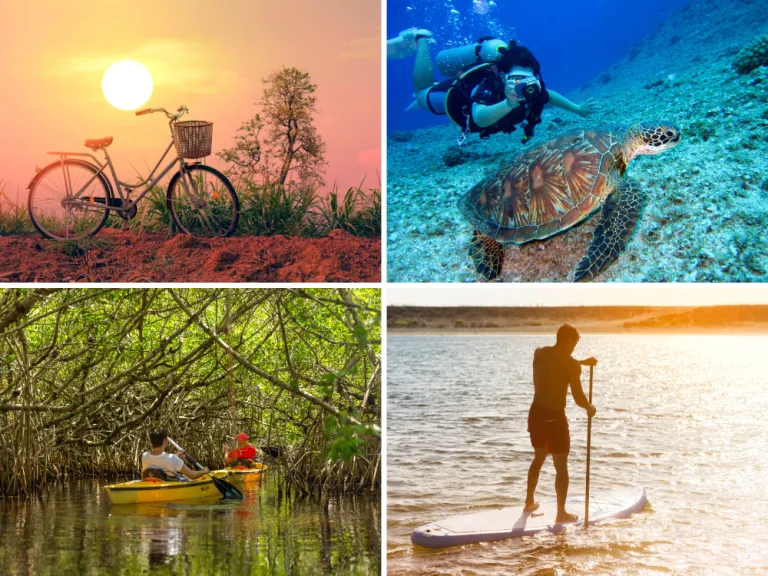
Image credit: Canva Pro
One thing I’m jealous of Okinawans is their environment. I mean, if you have such beautiful island as they do, you would not want to bedrot, like, ever! As a chronic bedrotter myself, I know how problematic it is to have an inactive lifestyle. It will make you gain weight, bruh. But locals here in Okinawa knew how to keep a well-balanced and active lifestyle. And if you want to act like a true Okinawan for 3 days, you have to try these activities we did!
We kicked things off in the Kerama Islands, snorkelling with coral reefs and colourful fish. The water is super clear and calm, perfect for filming or just floating around and watching everything around you.
Then we pushed ourselves with a visit to the Blue Cave in Ishigaki Island. The hike there isn’t easy. It’s muddy, slippery, and definitely not for beginners. But reaching the cave made it all worth it. The water is bright blue and the limestone formations are really cool to see up close. Plus, it’s away from the busy tourist spots, so you can actually relax and enjoy it. Make sure you join a guided tour if you want to get there safely.

Image credit: Canva Pro | Naha, Japan
Our first evening was spent in Naha, we went for a bike ride through the streets and caught the sunset over the city. I really felt like a local cycling through the city. Next, we caught a ferry to Iriomote. It’s a wild, subtropical island at the southwestern edge of Japan’s islands. From the port, we had a short ride to the kayaking centre on the Nishida River. There, we got a quick briefing and the gear we needed for canoeing and stand-up paddling through the mangroves. The waters are calm, and you’ll even spot birds and other wildlife along the way. It’s really perfect for anyone into wildlife photography.
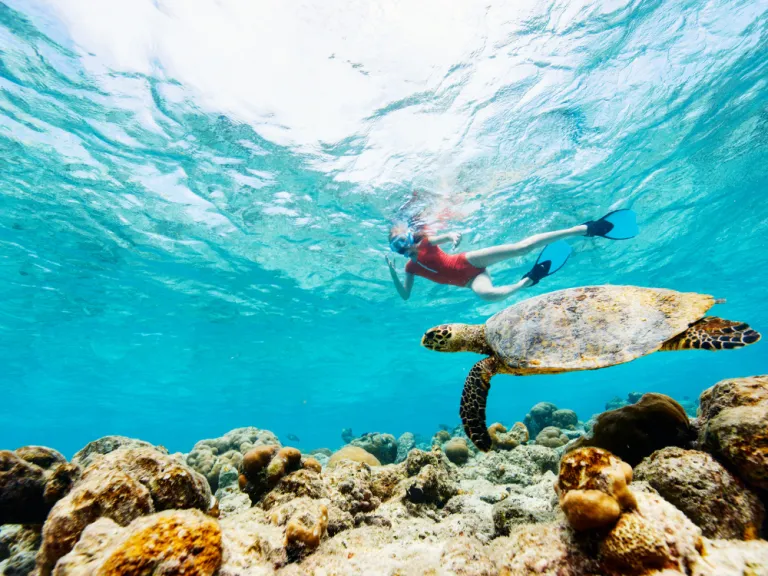
Image credit: Canva Pro
On the last day, we went snorkelling with sea turtles in Miyako. The coral is right there under the water, and it’s so clear it almost looks like glass. Later, back in Naha, we joined a private walking tour. Our guide showed us local markets, shared pieces of history, and pointed out hidden spots we wouldn’t have found on our own.
Overall, our Okinawa trip was all about water activities and exploring heritage sites. Snorkelling, canoeing, exploring caves, visiting museums, and cycling were the best ways to really see and feel the island.
See? There are a lot of fun activities to enjoy in this underrated southern gem of Japan. No wonder people don’t get fat here. The secret is in getting out of your hole and getting your body to move!
What to eat

Image credit: Canva Pro
Okinawan food is different from mainland Japan because it’s influenced by China, Southeast Asia, the US, and the islands themselves. It’s fresh, hearty, and easy to enjoy anywhere.
To start, we tried Goya Champuru, a bitter melon stir-fry with tofu, eggs, and pork or spam. Next, we had Okinawa Soba, thick noodles in a rich broth topped with pork, fish cake, and green onions. For something quick and filling, Taco Rice is a must! It’s just taco ingredients that are served over rice. If you love Shawarma rice, you’ll surely love this too.
Beyond the main dishes, small plates are worth trying. Rafute is soft braised pork belly, while Mimiga is crunchy pig’s ear with sauce. Not a fan of this, but worth a try! We also had Umibudo or salty “sea grapes” as side dish and Tofuyo which is a fermented tofu. If you’re feeling adventurous, you should try Yagi Sashimi or a raw goat meat.
To round off the meal, having simple drinks are good. Orion Beer is light and easy to drink, Awamori is a strong local spirit, and Sanpin-cha is jasmine tea served hot or cold which I love the most. It tastes so refreshing, a perfect drink to flush out all the meat we just ate. We tried a bit of everything of the drinks and loved it!
How to get there from the Philippines
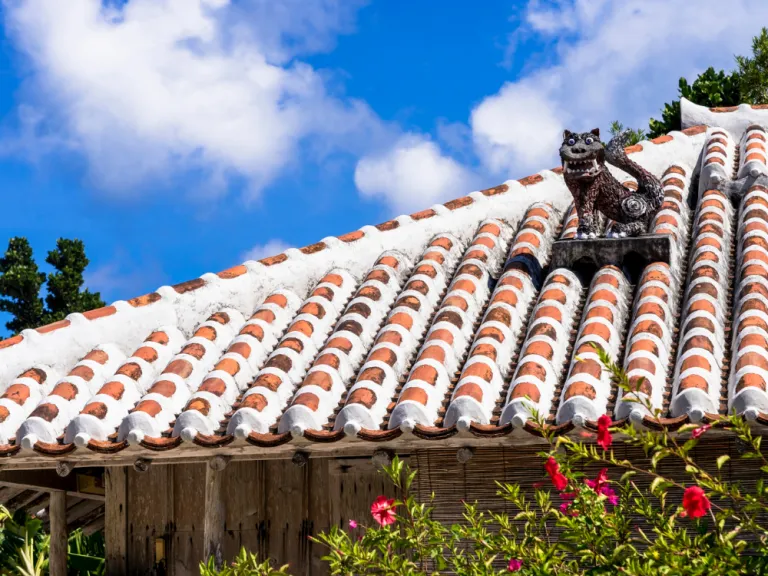
Image credit: Canva Pro
Getting to Okinawa from the Philippines is easier than you think. Flights from Manila usually stop in Taipei or Kaohsiung, making the journey simple and stress-free.
Flight time from Manila to Taipei takes about two hours, then Taipei to Okinawa adds roughly an hour and a half!
If you’re wondering how much we spent for our flight, I’d say, roundtrip economy fares in December can go for around ₱41,800. Premium tickets with extra perks and luggage will cost more.

Image credit: China Airlines Website. Images taken onboard an Airbus A350.
We flew with China Airlines and honestly, it made the whole trip so easy. The Manila–Taipei–Okinawa route was smooth, quick, and stress-free. If you’re heading there in December, booking early is the way to go for the best seats and fares. It really set the vibe for a chill, comfortable, and hassle-free trip to Japan.
I must tell you, investing a seat in a good airline is definitely worth it, especially if it’s going to be a long flight. Nobody wants to be squished in a tiny spot, so we were really glad we went with China Airlines.
Budget guide for your Okinawa trip
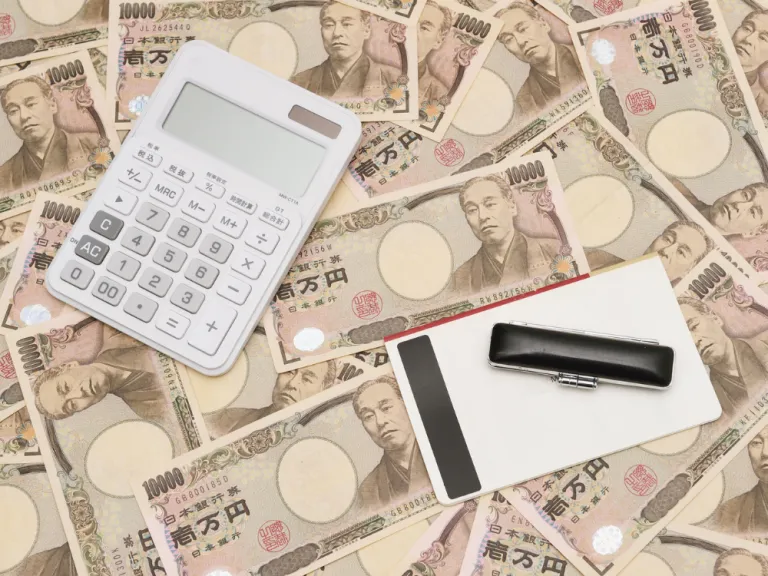
Image credit: Canva Pro
Let’s break down the costs so you know what to expect. A 3‑day/2‑night trip to Okinawa, Japan usually lands between ₱15,000 and ₱40,000 per person, depending on when you go and how you like to travel.
For flights, a round‑trip from Tokyo to Naha usually runs ₱5,700 to ₱11,400. During peak season, it can go higher, but if you catch an early deal, you might even pay less. Accommodation varies a lot. Budget hotels are about ₱1,100 to ₱1,900 per night, mid‑range spots are around ₱1,900 to ₱3,800, and resorts can go from ₱7,600 up to ₱19,000 or more.
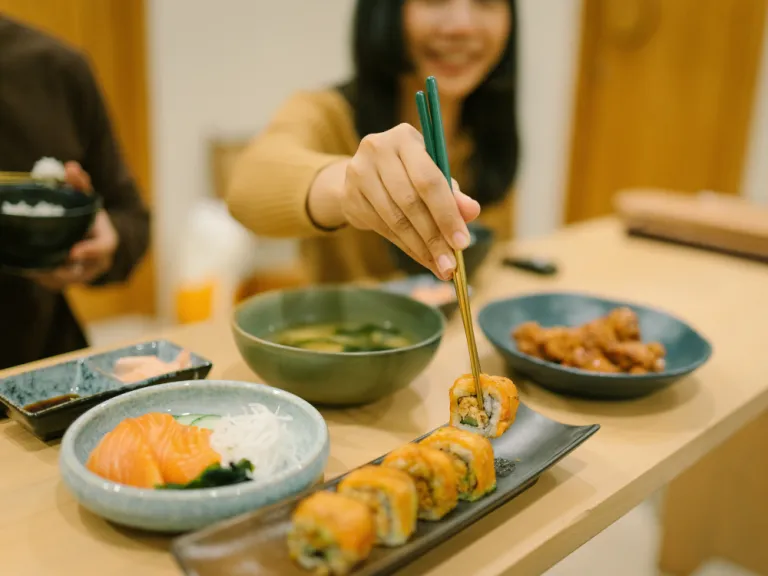
Image credit: Canva Pro
When it comes to food, breakfast is usually ₱570 to ₱1,900 depending on where you eat. Lunch and dinner often run ₱380 to ₱1,900, though splurge meals could reach ₱1,900 to ₱3,800. For getting around, renting a car for three days including gas and tolls is about ₱5,700 to ₱9,500. Stick to public transport and you might spend under ₱2,000. Sightseeing and activities typically cost ₱760 to ₱1,900 per spot.
To make it easier, here’s a rough idea of what your trip might look like. The savings plan which is around ₱15,000 covers early flights, a basic hotel, simple meals, and public transport. This is the tiniest budget you can prepare for Okinawa. To be safe, prepare at least ₱20,000 per person. But this budget does not include souvenir shopping costs at all. The standard plan, about ₱27,000-₱30,000 which includes regular flights, a mid‑range hotel, a mix of meals, one day of car rental, and the main attractions. For a luxurious trip, prepare at least ₱40,000 or more. Expect the costs to be pricier for last‑minute peak-season flights, a resort stay, fine dining, full car rentals, and additional activities.
When to visit
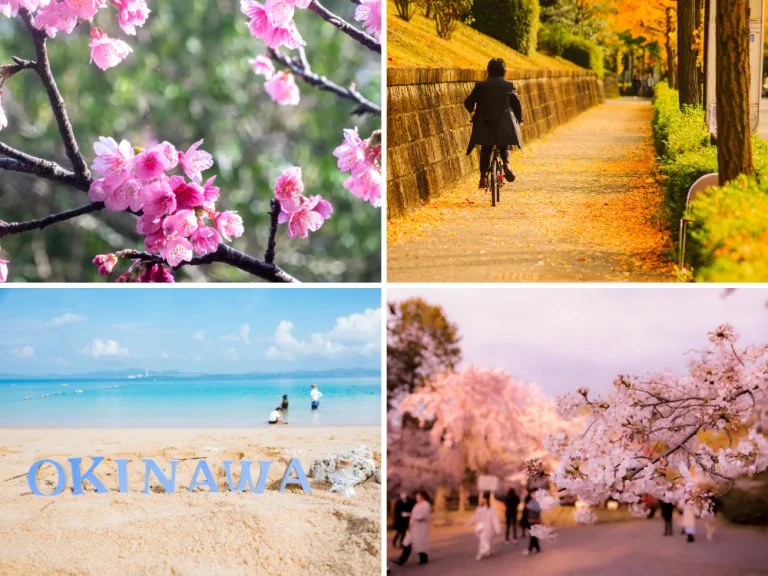
Image credit: Canva Pro
Timing can really change how your trip feels and how much it costs.
If you go in spring, from February to April, the weather is warm and nice, and there aren’t too many tourists around. The sea opens in March, and you’ll catch some local events happening.
Summer, from May to July, is perfect for beaches and water activities, but expect bigger crowds and higher prices.
By late summer into early autumn, August to October, typhoon season is mostly over and the weather gets easier to handle. There are festivals too, though prices stay on the higher side until later in the season.
If you head there in autumn and winter, from November to January, it’s cooler, calmer, and you’ll find fewer tourists and better deals. It’s also when you might spot cherry blossoms starting to bloom.
Why we love Okinawa
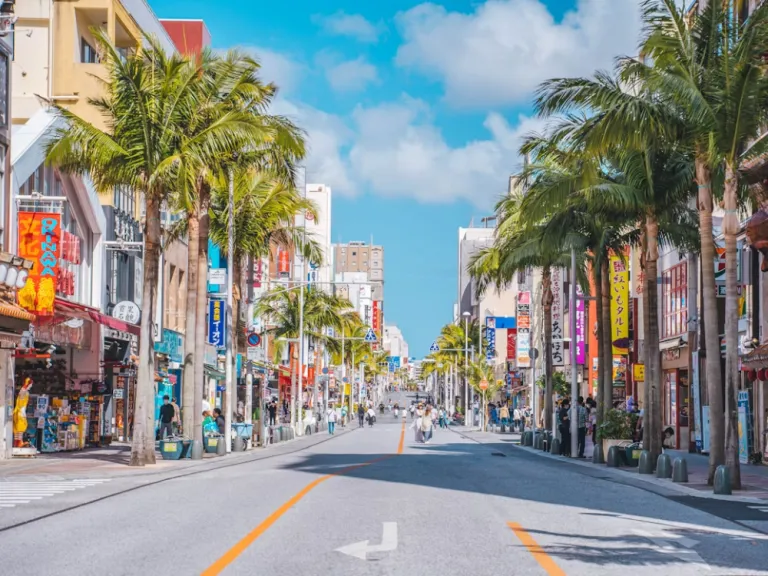
Image credit: gronemo | Unsplash
What I really love about Okinawa is how slow and simple life feels there. One moment we’re biking through Naha like locals, and the next we’re walking through muddy trails to reach Blue Cave. Honestly, if I ever get old, I’d want to retire here.
We’re already planning our next trip, and as someone who hates long flights because my butt gets sore sitting in one spot, flying with China Airlines was such a smart choice. The Manila–Taipei–Okinawa route is smooth, fast, and comfortable. No long waits, no stress, just a quick flight so you can start exploring Okinawa right away.
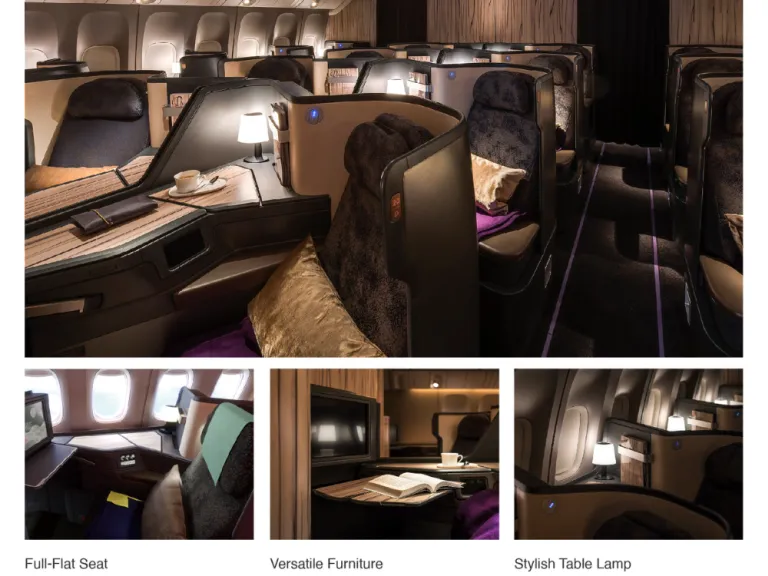
Image credit: China Airlines Website. Images taken on board an Airbus 350
If you want to experience Okinawa travel like we did, choosing the right airline makes a big difference. China Airlines gives comfortable seats, good service, and easy connections. It made our trip simple and let us enjoy every part of Okinawa, from beaches and markets to cultural spots and hidden gems.
Flying with China Airlines makes visiting Okinawa easy and convenient. It’s the fastest way to reach the islands and start exploring all the best things Okinawa has to offer.
Published at
About Author
Wynona Purl
Wynona Purl is a pop-culture junkie, writer, and editor from the Philippines. She runs an indie style & culture magazine called Modamorph that features artists from the underground scene. A certified chatterbox who loves cats, anything ube, and always has guts and curiosity. For her, life’s fortune always favours the bold. She hopes to see more of the world someday and turn those travels into stories.
Subscribe our Newsletter
Get our weekly tips and travel news!
Recommended Articles
13 Long Weekends in the Philippines in 2015 5 Easy Weekend Destinations Outside Manila, Philippines There are many other beautiful places in the Philippines outside its capital, but these 5 destinations will let you enjoy weekend trips with great ease.
7 Long Weekend Getaway Destinations in the Philippines With so many long weekends in the Philippines, weekend getaways are in order. Instead of travelling abroad, explore local destinations instead.
The Philippine Bucket List: 20 Challenges Every Filipino Traveller Must Complete Call yourself a true blue Filipino traveller if you’ve completed this Philippine Bucket List.
18 Comments Every Filipino Traveller Has Dealt With Abroad Every Filipino traveller has encountered these reactions and comments abroad. Stunning beaches? Hospitable people? Wait, you eat developing duck embryos?
Latest Articles
Philippines Holidays 2027: Complete List And Long Weekends Slug: 2027 holiday dates
US To Test New System That Could Help Reduce Flight Delays New flight delay system
National Cinema Day 2026: ₱100 Movie Tickets On 12 September Watch movies for ₱100
Hot Wheels Designer Brendon Vetuskey Meets Filipino Collectors at Kingsford Hotel Manila Hot Wheels collector gathering
Where to Stay for Your Next Domestic Getaway Hotel picks for local trips