
Cheers to a whopping number of 20 holidays and 13 long weekends in the Philippines! Filipinos have all reasons to rejoice this 2015 as well! Feeling the vacation vibe? Plan your getaways now!

Ferdinand Marcos Jr. says Philippines oil supply stable despite Middle East conflict
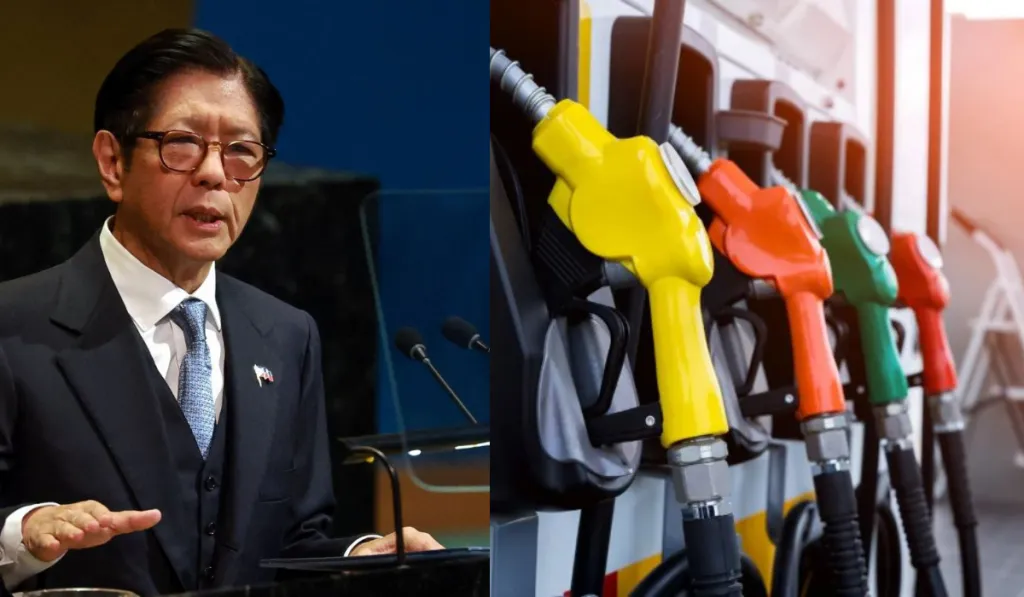
President Ferdinand Marcos Jr. has assured Filipinos that the country’s oil supply remains stable, even as ongoing conflicts in the Middle East continue to affect global energy markets.
The Philippines imports the majority of its petroleum products, making it vulnerable to fluctuations in international oil prices and disruptions to shipping routes. However, the President confirmed that the country currently has enough fuel reserves to last around 50 to 60 days, covering gasoline, diesel, and other petroleum products used across transportation, industry, and daily life. He also added that additional fuel shipments are already on their way, ensuring that domestic supply remains sufficient in the coming weeks.
Government agencies are closely monitoring developments in the Middle East and exploring alternative suppliers and shipping routes. This proactive approach is aimed at preventing disruptions in the country’s fuel imports and keeping supply chains stable. For travellers, commuters, and transport operators, this means that flights, buses, ferries, and other travel services are expected to continue operating normally, even as global oil markets remain unpredictable.
Panic buying causing temporary shortages
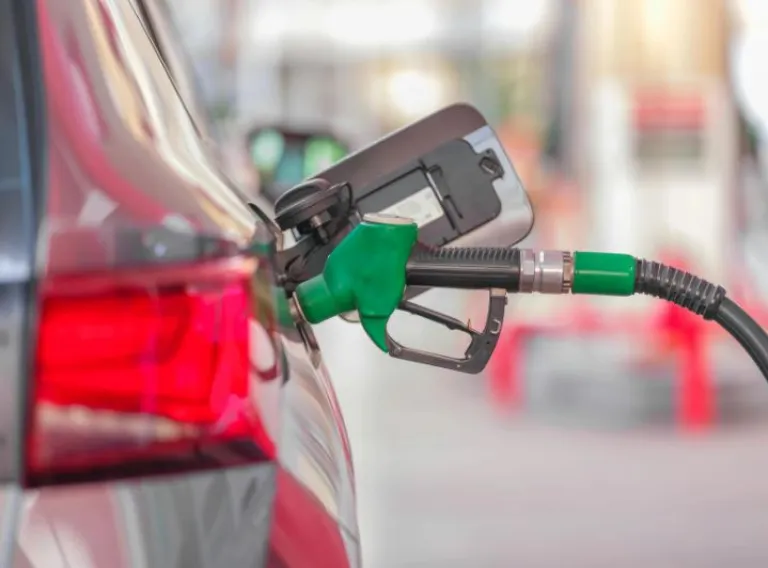
Image credit: Engin Akyurt | Pexel
Also read: Only 60 Days of Oil Supply? What Travellers in the Philippines Should Know
Despite the reassurance of stable national reserves, some gas stations have reported temporary fuel shortages. Experts attribute this to panic buying, as motorists rush to fill up their tanks at the first sign of potential supply issues or rising fuel prices.
This sudden surge in demand can quickly deplete fuel stocks at individual stations, even if the country’s overall supply remains adequate. In most cases, these shortages are short-term and localised, as regular deliveries from fuel depots quickly replenish stocks once tanker trucks arrive. Authorities emphasise that the overall supply in the Philippines is stable, and there is no nationwide shortage at present.
For travellers planning road trips or commuters relying on public transport, this means fuel availability is unlikely to disrupt travel plans. Motorists are encouraged to buy fuel responsibly and avoid hoarding, as doing so can create unnecessary pressure on local stations and contribute to temporary shortages.
The situation highlights how global events can influence local markets, even in countries with stable reserves. While the Middle East conflict continues to create uncertainty in international oil prices, the Philippines is taking steps to safeguard its fuel supply, including monitoring shipments, maintaining reserves, and exploring alternative import routes.
With these measures in place, Filipinos can expect normal fuel supply and transport services for the coming weeks. Travellers, transport operators, and everyday commuters can take comfort in knowing that despite international tensions, the country is prepared to maintain stability in its oil supply.
Published at
About Author
Jeliefer Sumaya
just tryna be an author
Subscribe our Newsletter
Get our weekly tips and travel news!
Recommended Articles
13 Long Weekends in the Philippines in 2015 5 Easy Weekend Destinations Outside Manila, Philippines There are many other beautiful places in the Philippines outside its capital, but these 5 destinations will let you enjoy weekend trips with great ease.
9 Long Weekends in the Philippines in 2016 It’s definitely more fun in the Philippines in 2016 as there will be 9 long weekends with 4 days leave! Plan your getaways with our cheatsheet & calendar.
7 Long Weekend Getaway Destinations in the Philippines With so many long weekends in the Philippines, weekend getaways are in order. Instead of travelling abroad, explore local destinations instead.
The Philippine Bucket List: 20 Challenges Every Filipino Traveller Must Complete Call yourself a true blue Filipino traveller if you’ve completed this Philippine Bucket List.
Latest Articles
Singapore to Host BTS THE CITY ARIRANG in December 2026 BTS fan experiences across Singapore
New Makati to Baguio Bus Route: Schedule and Fare One Ayala departures
Taiwan Is Paying Tourists Up to NT$8,000 to Visit — Here’s How You Can Get It Here’s how Filipino travellers can qualify, plus visa-free entry and KKday savings
Filipinos Can Now Fly To Europe Via Istanbul New Europe flight route
Philippines Tourism Slogan: What Is ‘Love the Philippines’? Senators discuss tourism branding