
Call yourself a true blue Filipino traveller if you’ve completed this Philippine Bucket List.

Only 60 Days of Oil Supply? What Travellers in the Philippines Should Know
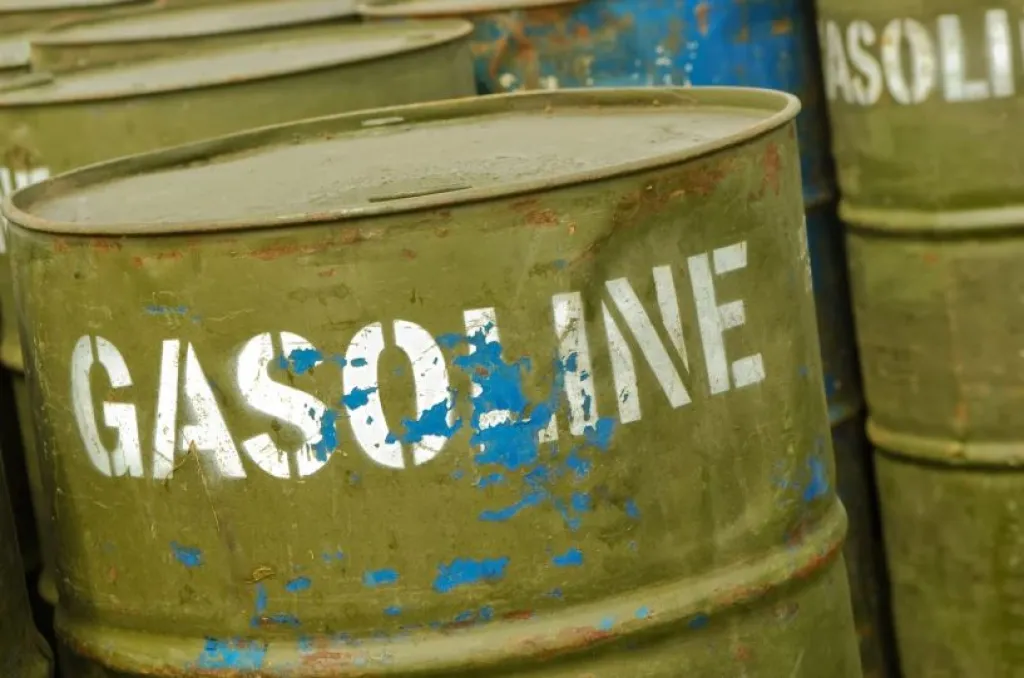
Only about 50–60 days of oil supply remain in the Philippines, according to government estimates. With global tensions still affecting energy markets and conflicts overseas ongoing, travellers may be wondering: Could flights become more expensive? Will bus, ferry, or ride-hailing fares rise? Could your next trip cost more than expected?
The figure refers to fuel inventories currently stored in the country, including gasoline, diesel, jet fuel, kerosene, and fuel oil. These act as a buffer stock, meant to sustain national consumption if imports were disrupted. The breakdown is roughly:
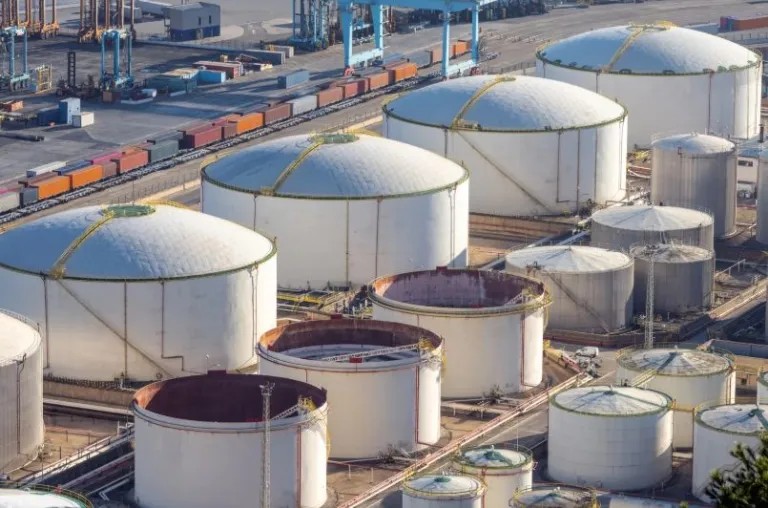
Image credit: elxeneize | Canva Pro
Diesel: ~50 days
Gasoline: ~51 days
Fuel oil: ~51 days
Kerosene: ~67 days
This does not represent the total fuel the Philippines can access. Shipments continue arriving from multiple international suppliers, so the country can replenish its stocks regularly. While the Philippines relies heavily on imported fuel, it does not depend on a single supplier.
Also read: CAVITEX C5 Link Final Segment Set to Open Before Holy Week 2026
Global tensions, particularly in the Middle East, are what travellers should watch. The Strait of Hormuz carries a significant portion of the world’s oil exports, and any disruption there can push global oil prices higher, affecting importing countries like the Philippines. Even fuel refined in nearby hubs such as Singapore or South Korea often originates from Middle Eastern crude.
For travellers, the most likely impact is higher travel costs rather than fuel shortages. Airlines may adjust ticket prices or add fuel surcharges, while buses, ferries, and ride-hailing services could implement gradual fare increases if operating costs rise.
Also read: Thailand Offers 2,000 Baht Daily Aid for Stranded Foreign Tourists
Officials, including Ferdinand Marcos Jr., say the country currently has sufficient fuel reserves while monitoring global developments. Authorities are coordinating with suppliers and exploring alternative sources to maintain steady deliveries.
For those planning trips, the message is clear: fuel supply in the Philippines remains stable, but travellers should be aware that global oil price fluctuations could make flights and transport slightly more expensive in the coming months.
Published at
About Author
Jeliefer Sumaya
just tryna be an author
Subscribe our Newsletter
Get our weekly tips and travel news!
Recommended Articles
The Philippine Bucket List: 20 Challenges Every Filipino Traveller Must Complete 10 Countries Filipinos Probably Didn’t Know They Can Travel To Without Visa Filipinos rejoice! Your Philippine passport can take you to many countries you probably haven’t imagined travelling to without a visa.
PTAA Travel Tour Expo 2016 Latest Event Details Come 5-7 Feb 2016, PTAA Travel Tour Expo 2016 will once again showcase the hottest travel deals and promos from over 300 exhibitors around the Philippines.
The Great British Festival 2016: Experience the Best of Britain in Manila and Win Cool Prizes Join in the fun at the Great British Festival in Manila this 26-28 Feb 2016.
NAITAS Travel & Trade Show 2016 is Definitely BIG! Come 8-10 April 2016, the BIGGEST TRAVEL and TRADE SALE in the Philippines is here again!
Latest Articles
Singapore to Host BTS THE CITY ARIRANG in December 2026 BTS fan experiences across Singapore
New Makati to Baguio Bus Route: Schedule and Fare One Ayala departures
Taiwan Is Paying Tourists Up to NT$8,000 to Visit — Here’s How You Can Get It Here’s how Filipino travellers can qualify, plus visa-free entry and KKday savings
Filipinos Can Now Fly To Europe Via Istanbul New Europe flight route
Philippines Tourism Slogan: What Is ‘Love the Philippines’? Senators discuss tourism branding