
Cheers to a whopping number of 20 holidays and 13 long weekends in the Philippines! Filipinos have all reasons to rejoice this 2015 as well! Feeling the vacation vibe? Plan your getaways now!

Traditional Villages in Japan Pinoy Travellers Must Visit
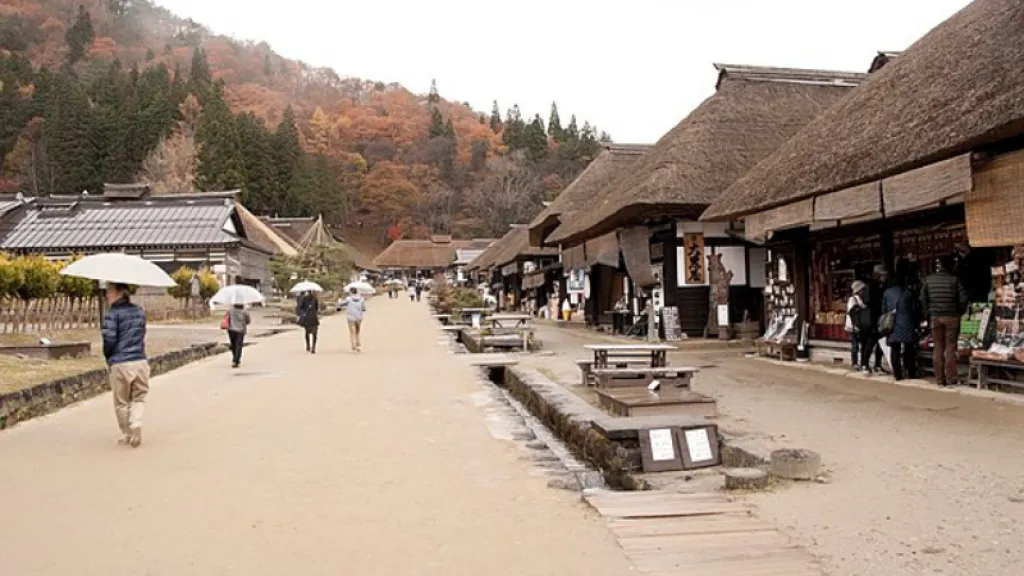
Japan isn’t just about neon-lit cities and high-speed trains. Beyond the bustling streets of Tokyo and Osaka, there are places that feel like they’ve been frozen in time—quaint villages where traditions live on, and every corner tells a story. If you’re looking for a glimpse of Japan’s past, these historical villages should be on your travel bucket list.
Also read: Japan Travel Mistakes to Avoid – What Not to Do
1. Shirakawa-go (白川郷), Gifu
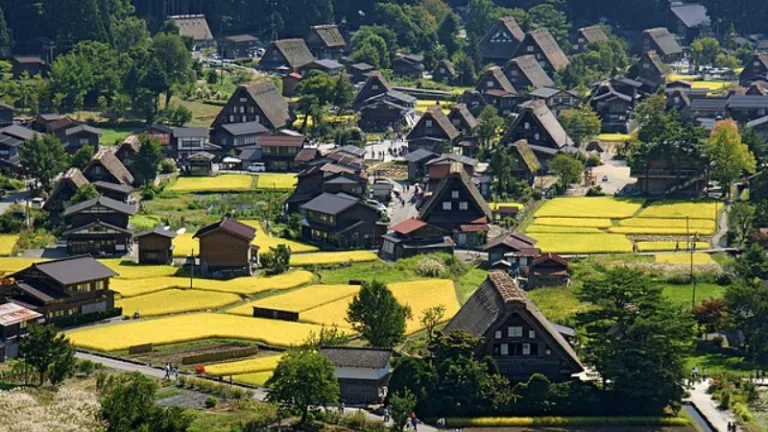
Image credit: 663highland | Wikimedia commons
📍 501-5627, Japan
Imagine stepping into a postcard-perfect scene—traditional thatched-roof houses blanketed in snow, with a backdrop of mountains straight out of a Studio Ghibli film. Welcome to Shirakawa-go, one of Japan’s most iconic historical villages.
This UNESCO World Heritage Site is famous for its gassho-zukuri farmhouses, a unique architectural style designed to withstand heavy snowfall. The name gassho-zukuri literally means “prayer hands” because the steeply slanted roofs resemble hands pressed together in prayer. Whether you visit in winter for the magical snow-covered landscapes or in autumn for breathtaking fall foliage, Shirakawa-go is always a stunning destination.
Pro tip: Stay overnight in one of the traditional houses-turned-guesthouses for the full experience. Also, don’t leave without trying their local specialities like Hida beef and gohei mochi (grilled rice cakes coated in miso sauce).
2. Gokayama (五箇山), Toyama
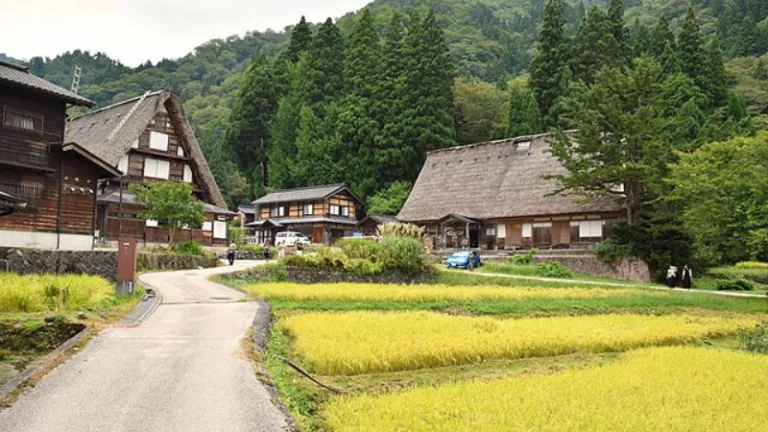
Image credit: 雷太 | wikimedia commons
📍 Nanto, Toyama 939-1977, Japan
If you love the idea of visiting Shirakawa-go but aren’t a fan of crowds, then Gokayama is your dream destination. This hidden gem offers the same stunning gassho-zukuri houses but in a much more peaceful setting.
Gokayama is divided into two main hamlets: Ainokura and Suganuma. While both have beautifully preserved houses, Ainokura is the larger and more well-known of the two. Strolling through these villages feels like a journey back in time, with traditional folk music occasionally playing in the background.
Fun fact: Locals here still practise wasabi farming and handmade washi paper production. You can even try making your own washi paper as a souvenir!
3. Takayama (高山), Gifu
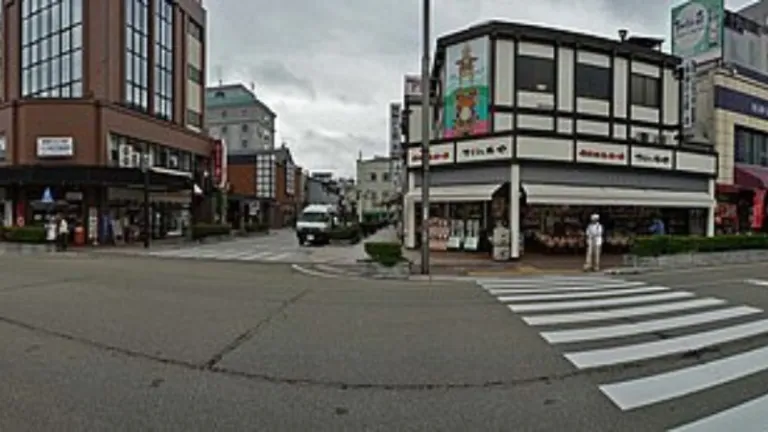
Image credit: z tanuki | Wikimedia commons
📍 Takayama, Gifu 506-0011, Japan
Technically a city, but it has all the charm of a small historical village. Takayama is often called “Little Kyoto” because of its beautifully preserved Edo-period streets in the Sanmachi Suji district. Think wooden merchant houses, sake breweries, and cosy coffee shops—all set against a mountain backdrop.
If you time your visit right, don’t miss the Takayama Festival, held in spring and autumn, featuring elaborate floats and lively street performances. And if you’re a foodie, Takayama is also home to some of the best Hida beef sushi you’ll ever taste.
4. Ouchi-juku (大内宿), Fukushima
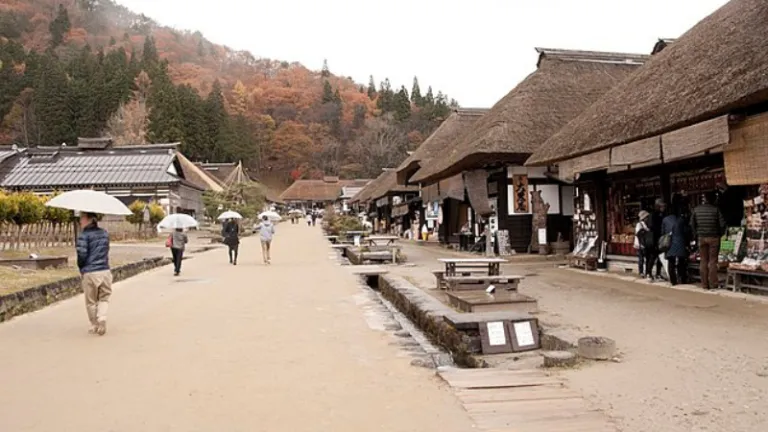
Image credit: Σ64 | Wikimedia commons
📍 Minamiaizu District, Fukushima 969-5207, Japan
If you’re into aesthetics, Ouchi-juku is pure Instagram gold. This former Edo-period post town is lined with thatched-roof houses that transport you back to Japan’s samurai days. Unlike many other preserved villages, Ouchi-juku still retains an authentic, rustic charm, with many buildings now serving as shops selling handmade crafts and local delicacies.
One must-try dish here? Negi soba—buckwheat noodles eaten with a giant green onion instead of chopsticks. (Yes, you read that right!) It’s as fun to eat as it is delicious.
5. Ine no Funaya (伊根の舟屋), Kyoto
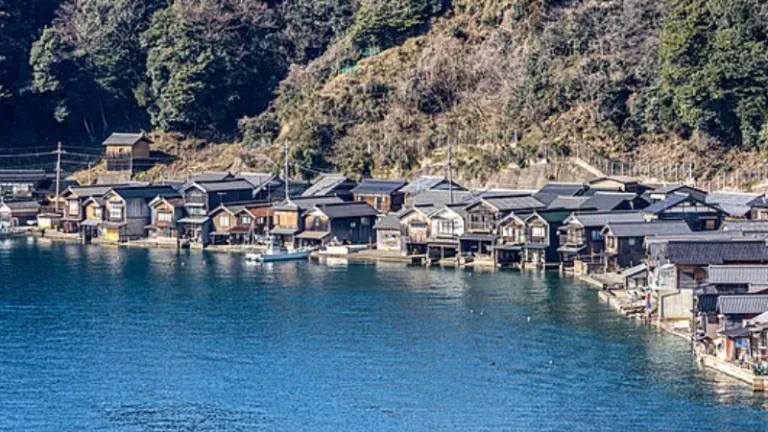
Image credit: Naokijp | Wikimedia commons
📍 Ine, Yosa District, Kyoto 626-0423, Japan
A village where houses sit right on the water? Yes, please. Located on the northern coast of Kyoto, Ine no Funaya is famous for its “boat houses” (funaya)—traditional homes where the first floor is a boat garage, and the second floor is living space.
Also read: 10 Things to Do in Japan for First-Time Travellers
This is a completely different side of Japan, offering a mix of historical charm and seaside beauty. You can take a boat tour to admire the unique architecture, dine on the freshest seafood, or even stay overnight in a funaya-turned-guesthouse.
For the best experience, visit during sunset when the village glows under the golden light.
These villages may not have Japan’s usual bright lights and bustling streets, but that’s exactly what makes them special. If you’re looking for an experience that blends history, culture, and jaw-dropping scenery, these traditional villages should definitely be on your travel list.
Which one would you visit first?
Published at
About Author
Jeliefer Sumaya
just tryna be an author
Subscribe our Newsletter
Get our weekly tips and travel news!
Recommended Articles
13 Long Weekends in the Philippines in 2015 5 Easy Weekend Destinations Outside Manila, Philippines There are many other beautiful places in the Philippines outside its capital, but these 5 destinations will let you enjoy weekend trips with great ease.
7 Long Weekend Getaway Destinations in the Philippines With so many long weekends in the Philippines, weekend getaways are in order. Instead of travelling abroad, explore local destinations instead.
The Philippine Bucket List: 20 Challenges Every Filipino Traveller Must Complete Call yourself a true blue Filipino traveller if you’ve completed this Philippine Bucket List.
18 Comments Every Filipino Traveller Has Dealt With Abroad Every Filipino traveller has encountered these reactions and comments abroad. Stunning beaches? Hospitable people? Wait, you eat developing duck embryos?
Latest Articles
Philippines Holidays 2027: Complete List And Long Weekends 2027 holiday dates
US To Test New System That Could Help Reduce Flight Delays New flight delay system
National Cinema Day 2026: ₱100 Movie Tickets On 12 September Watch movies for ₱100
Hot Wheels Designer Brendon Vetuskey Meets Filipino Collectors at Kingsford Hotel Manila Hot Wheels collector gathering
Where to Stay for Your Next Domestic Getaway Hotel picks for local trips